Oil markets are experiencing their sharpest rally in months as geopolitical tensions surrounding Iran send shockwaves through global energy trading. Both Brent crude and West Texas Intermediate have climbed more than 10% over the past week, with prices reaching levels not seen since October.
The rally comes as widespread protests continue to rock Iran, prompting President Trump to warn that the country’s ruling regime would face serious consequences. This marks a significant shift in market attention from Venezuela, where oil shipments have recently resumed, back to Iran—what energy experts are calling the nerve center of global oil markets.
Iran’s position in the global oil landscape is uniquely influential for two critical reasons. First, the country produces over 3 million barrels daily and exports approximately 1.5 million barrels per day. Beyond current production, Iran sits atop more than 200 billion barrels of proven reserves, ranking third globally behind only Venezuela and Saudi Arabia. Unlike Venezuelan crude, Iran’s lighter, medium-weight oil is easier to refine and more desirable for buyers.
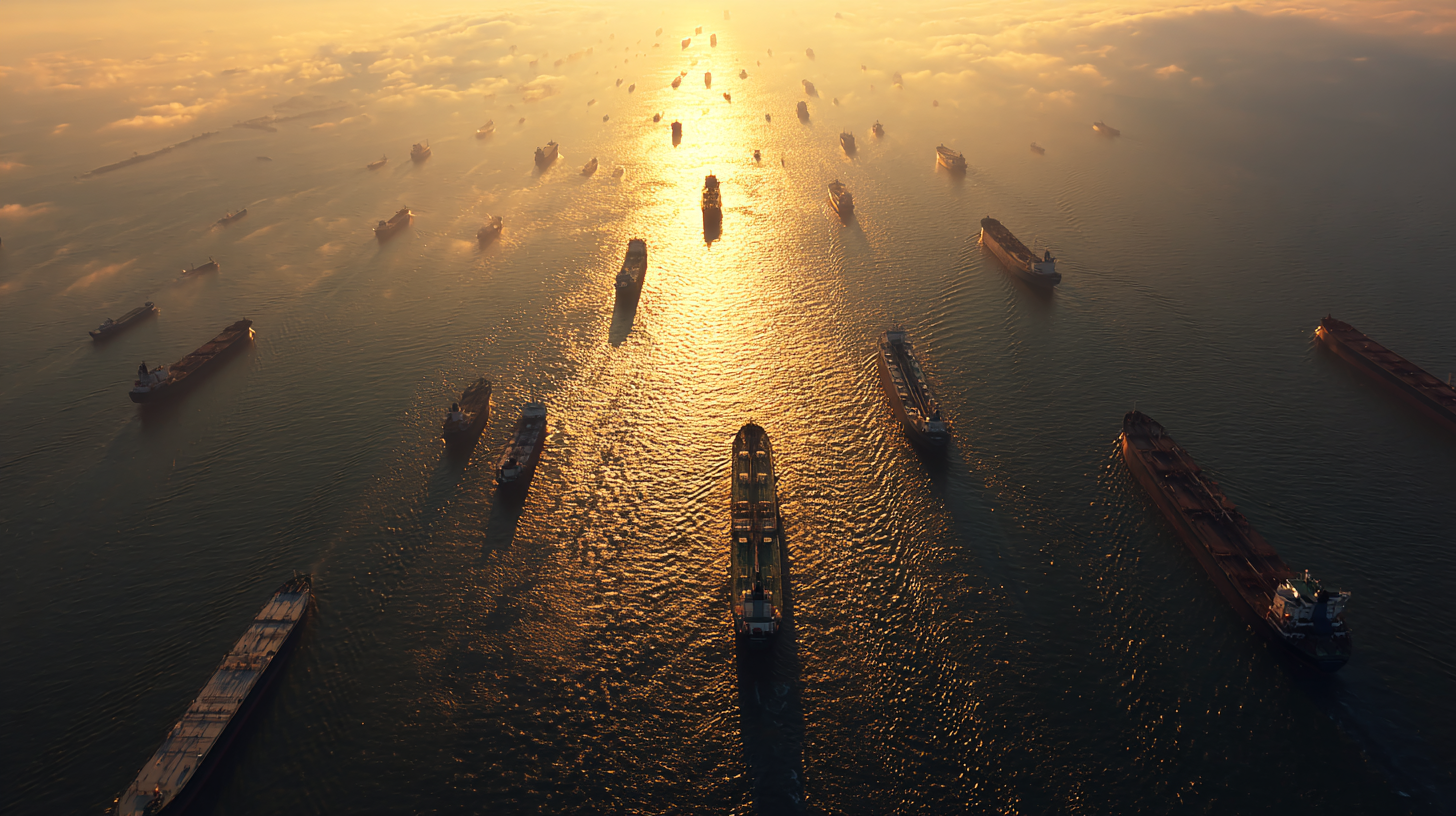
Second, and perhaps more critically, Iran largely controls the Strait of Hormuz—a narrow waterway that serves as one of the world’s most vital oil chokepoints. Roughly 20 million barrels per day, representing about 25% of global seaborne petroleum trade, flows through this strategic passage. Any closure or disruption would immediately send prices soaring.
Historical precedent underscores this vulnerability. When Israeli forces struck Iranian military and nuclear sites last June, Brent crude jumped 7% in a single day despite the Strait never actually closing.
Energy analysts warn that sustained civil unrest could disrupt Iran’s oil infrastructure. Widespread upheaval might prevent skilled workers from reaching production and export facilities, while basic services like electricity could become unreliable. Experts suggest at least limited production interruptions are likely if tensions continue escalating.
A worst-case scenario would mirror the 1979 Iranian Revolution, when political upheaval cut the country’s oil production nearly in half—from over 5.7 million barrels per day to just 3.2 million barrels. While analysts consider a complete production collapse unlikely, even partial disruptions would significantly impact global supplies.
The Trump administration has intensified pressure on Tehran, announcing immediate 25% tariffs on any country conducting business with Iran. The president has also signaled support for protesters facing violent crackdowns that have reportedly killed thousands amid internet blackouts.
China, which purchases more than 80% of Iranian crude, would feel immediate effects from any export disruptions. Chinese refiners might shift demand toward Russian oil or tap domestic reserves that Beijing has been stockpiling as geopolitical insurance.
Despite the price spike, some analysts urge caution. The global oil market currently faces a supply glut of approximately 3.6 million barrels per day, which could absorb moderate disruptions. However, trading activity tells a different story—Monday saw record volume in Brent crude call options as traders hedge against sudden price spikes, while volatility indicators have reached their highest levels since last summer’s strikes.
For now, markets remain on edge, closely watching whether Iran’s internal turmoil will translate into the sustained supply disruption that could send prices substantially higher.