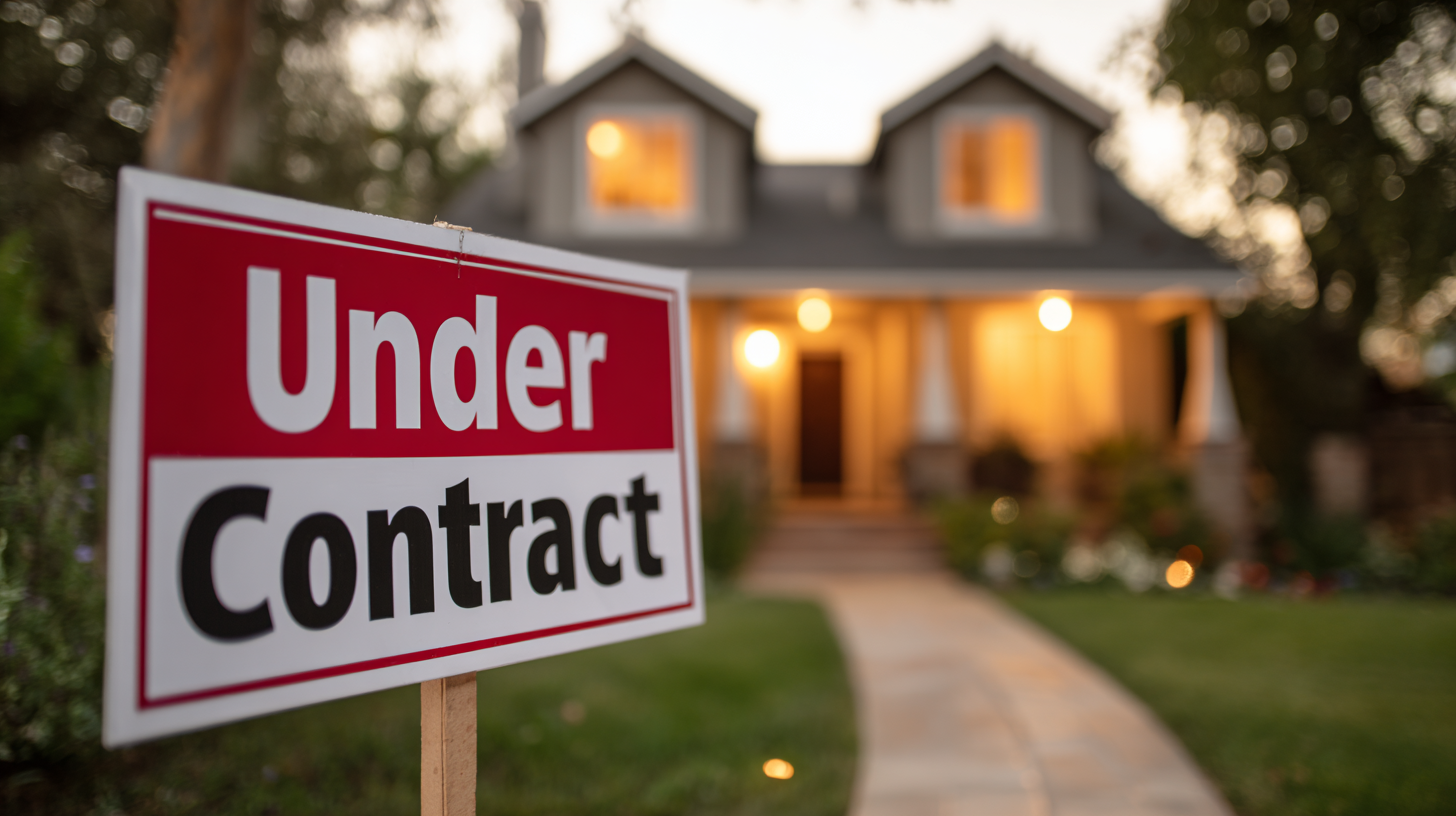
The U.S. housing market showed renewed signs of life in November as pending home sales posted their strongest monthly increase in nearly two years. New data from the National Association of Realtors reveals that contract signings rose 3.3% compared with October, far exceeding expectations and signaling that buyer activity may be stabilizing after a prolonged slowdown.
Pending home sales are considered a leading indicator for the housing market because homes typically go under contract one to two months before a sale is finalized. The November increase pushed the Pending Home Sales Index up to 79.2, a notable improvement even though the reading remains below the long-term benchmark of 100, which reflects average activity levels in 2001. Compared with November of last year, pending sales increased 2.6%, suggesting demand is gradually recovering.
One of the most important drivers behind the uptick in housing activity has been improving affordability. Mortgage rates have eased from their recent highs, providing relief to buyers who had been priced out of the market. The average rate on a 30-year fixed mortgage has hovered near 6.2% in recent months, down from approximately 7% earlier in 2025 and well below levels seen during the summer. Even modest declines in interest rates can significantly reduce monthly mortgage payments, encouraging more buyers to re-enter the market.
Slower home price growth has also contributed to rising buyer confidence. After years of rapid appreciation, price gains have moderated across much of the country, helping incomes catch up with housing costs. At the same time, wage growth has remained relatively strong, further supporting affordability and boosting purchasing power.
Regionally, pending home sales rose across all parts of the United States in November. The West recorded the largest month-over-month increase at 9.2%, reflecting strong pent-up demand in markets that were previously among the most constrained by affordability challenges. Gains in the Midwest, South, and Northeast suggest the recovery is becoming more evenly distributed rather than concentrated in isolated markets.
Inventory levels, while still tight by historical standards, have improved compared with last year. More homes available for sale have given buyers greater flexibility and reduced competitive pressures that previously discouraged many from making offers. This gradual improvement in supply has helped support the rise in contract activity without reigniting runaway price growth.
Despite the positive momentum, the housing market remains in a fragile recovery phase. Overall home sales in 2025 are still expected to rank near three-decade lows, underscoring how deeply elevated interest rates disrupted activity over the past several years. Many homeowners remain reluctant to sell because doing so would mean giving up ultra-low mortgage rates secured before 2022.
Looking ahead, housing market forecasts suggest a slow and uneven normalization rather than a sharp rebound. Continued declines in mortgage rates, steady wage growth, and incremental improvements in inventory will be critical to sustaining buyer demand. November’s surge in pending home sales does not mark a full recovery, but it does indicate that homebuyer momentum is building and that the long housing slowdown may be starting to ease.
This combination of improving affordability, stabilizing prices, and renewed buyer interest positions the housing market for a potentially stronger 2026 if current trends continue.