Genetic Discoveries and Healthcare Innovation


Genetics Now Touch on All Areas of Life Sciences


The institutions and companies involved in genetics now lend support to most other areas of life sciences.  The contributions include the discovery of genetic markers of disease and gene therapy. The market for genetic testing continues to grow in leaps and bounds and has gained momentum as the field benefits from the compounding effect of past advances in understanding and technology. In addition, there’s been an increase in the study of chronic diseases for as-yet unmet therapeutic needs, including the development of testing kits to better assess patients’ needs.

The genetics market is expanding with new gene therapies, which has been a big of innovation and growth.  It’s estimated that this market’s worth is US$3.8 billion, and it is expected to reach US$13 billion by 2024. That’s a compound annual growth rate of 27.8 percent. The growing segment of healthcare or life sciences focuses on using genes to detect, prevent, and treat conditions to improve patient experience. More recent innovations include the potential for healthcare professionals to use genes at the cellular level instead of using surgery or medicines. The advanced method replaces “diseased” genes to potentially cure the ailment or disease.

Pharmaceutical and biotech companies involved in genetics include companies of every size and seemingly in every part of life sciences. Companies with the most potential to impact investors exist among smaller and more nimble companies in this space. Below are publicly traded genetics stocks listed on the Nasdaq or AMEX exchanges. They are small companies able to make a big impact with products related to gene therapy, cell therapy, genetic testing, and therapies for genetic diseases.


Genprex (NASDAQ:GNPX)

Genprex is a clinical-stage gene therapy company developing new therapies for patients with cancer and diabetes. Its therapies are based on the company’s proprietary ONCOPREX nanoparticle delivery system, which delivers cancer-fighting genes to tumor cells.

Market cap: US$168.68 million; current share price: US$3.90

In January, the company’s lead product candidate, the REQORSA immunogene therapy, was granted fast-track designation by the US Food and Drug Administration (FDA) for use in combination with AstraZeneca’s (NYSE:AZN) Tagrisso for the treatment of non-small cell lung cancer. The active ingredient in REQORSA is the tumor suppressor gene TUSC2.


Co-Diagnositics (NASDAQ:CODX)

Co-Diagnostics describes itself as a low-cost provider of molecular diagnostic services. The company’s technology is used in tests that are designed using the detection and/or analysis of nucleic acid molecules (DNA or RNA). Its molecular diagnostic tools detect infectious diseases, allow for liquid biopsy for cancer screening and have agricultural applications.

Market cap: US$257.99.81 million; current share price: US$9.00

In mid-December, Co-Diagnostics reported that it sold over 10 million Covid-19 test kits to its domestic and international network of laboratories, hospitals and distributors.


Lineage Cell Therapeutics (NYSE American:LCTX)

As a clinical-stage biotech company, Lineage develops new cell therapies for unmet medical needs. Their programs are based on a proprietary cell-based therapy platform and in-house development and manufacturing capabilities. Lineage develops and manufactures specialized, terminally differentiated human cells to either replace or support cells that are dysfunctional or absent due to degenerative disease or traumatic injury or administered as a means of helping the body mount an effective immune response to cancer.

Market cap: US$ 448.65 million; current
share price: US$2.52

Lineage’s clinical programs are in markets with billion-dollar opportunities and include three allogeneic (“off-the-shelf”) product candidates. 


Capricor Therapeutics (NASDAQ:CAPR)

Capricor Therapeutics is a clinical-stage biotechnology company working to develop and commercialize cell and exosome-based therapeutics for the treatment and prevention of diseases.

 Market cap: US$91.53; current share price:
US$4.02

In May 2020, Capricor announced positive top-line final results from a HOPE-2 study in patients with Duchenne muscular dystrophy who were treated with the company’s lead candidate, CAP-1002, an allogeneic cell therapy. In August, the FDA accepted Capricor’s investigational
new drug
 (IND) application for a Phase 2 clinical trial of CAP-1002 in patients with COVID-19.


OncoSec Medical (NASDAQ:ONCS)

OncoSec Medical is a late-stage biotechnology company focused on developing cytokine-based intratumoral immunotherapies to stimulate the body’s immune system to target and attack cancer.

Market cap: US$54.83 million; current
share price: US$4.78

In October 2020, OncoSec announced FDA clearance of an IND application to begin a Phase 1 clinical trial of its CORVax12 coronavirus vaccine candidate. CORVax combines OncoSec’s TAVO with a DNA-encodable stabilized trimeric SARS-CoV-2 spike glycoprotein developed by researchers at the National Institute of Health’s National Institute of Allergy and Infectious Diseases.


Suggested Reading:

What is the Approval Process for Medical Devices

Small-Caps in the Covid19 and Treatment Space


Scientists Now Better Understand Viral Mutations

The Lifecycle of a SPAC

 Sources:

https://www.marketsandmarkets.com/Market-Reports/gene-therapy-market-122857962.html?gclid=CjwKCAiA_eb-BRB2EiwAGBnXXuuMTUruQFdj5KL8TAfbMXS4xxjO1aSr-oYOTXmH-c77bqkZNsAO8RoC1O8QAvD_BwE

https://www.irdirect.net/prviewer/release_only/id/4433141

Stay up to date. Follow us:


Stay up to date. Follow us:

Ocugen (OCGN) – Positive Results Of The Second Interim Analysis Of Phase 3 Study Of COVAXIN


Ocugen’s COVID-19 Vaccine Co-Development Partner, Bharat Biotech, Shares Second Interim Results demonstrating 100% Protection against Severe Disease including Hospitalization


  • Primary efficacy in the second interim analysis demonstrates COVAXIN to be 78% effective after the second dose in preventing COVID-19 in those without prior infection

  • Demonstrates 70% efficacy against asymptomatic COVID-19 infections; indicates potential to significantly reduce virus transmission

  • COVAXIN has been administered to several million people in India and is playing a critical role in combating the pandemic

MALVERN, Pa., April 21, 2021 (GLOBE NEWSWIRE) — Ocugen, Inc. (NASDAQ: OCGN), a biopharmaceutical company focused on discovering, developing, and commercializing gene therapies to cure blindness diseases and developing a vaccine to save lives from COVID-19, today announced that its co-development partner, Bharat Biotech, shared positive results of the second interim analysis of its Phase 3 study of COVAXIN, a whole virion inactivated COVID-19 vaccine candidate. COVAXIN demonstrated a vaccine efficacy in mild, moderate, and severe COVID-19 disease of 78% with efficacy against severe COVID-19 disease alone of 100%.

“We continue to be excited by the compelling second interim results of Bharat Biotech’s Phase 3 clinical trial. We believe that COVAXIN can help change the course of this pandemic by preventing severe COVID-19 disease including hospitalizations by 100% as well as significantly limit the spread of asymptomatic COVID-19 infections based on efficacy shown to date. We are dedicated to being a part of the solution to save lives from COVID-19 by bringing COVAXIN to the U.S. market. Based on a traditional vaccine platform that has a long-established safety profile, we believe COVAXIN is an important tool to add to our national arsenal in ending the pandemic,” said Dr. Shankar Musunuri, Chairman of the Board, Chief Executive Officer, and Co-founder of Ocugen.

“The safety and efficacy demonstrated by COVAXIN is remarkable because of the prevalence of several variants of the coronavirus circulating at the time of the trial. This vaccine is based on a proven technology platform and the company plans to consider clinical development in special populations such as children,” said Dr. Bruce Forrest, member of the vaccine scientific advisory board of Ocugen.

Second Interim Phase 3 Results as Reported by Bharat Biotech

Bharat Biotech’s Phase 3 clinical trial enrolled 25,800 participants between 18-91 years of age in India, including 2,433 over the age of 60 and 4,500 with comorbidities. The primary endpoint of the Phase 3 clinical trial is based on the first occurrence of PCR-confirmed symptomatic (mild, moderate, or severe) COVID-19 with onset at least 14 days after the second study vaccination in serologically negative (to SARS-CoV-2) adult participants at baseline.

The second interim analysis is based on accruing more than 87 symptomatic cases of COVID-19. However, due to the recent surge in cases in India, 127 symptomatic cases were recorded, resulting in a point estimate of vaccine efficacy of 78% (95%CI: 61-88) against mild, moderate, and severe COVID-19 disease. The trial will be continuing to its pre-planned conclusion.

The efficacy against asymptomatic COVID-19 infection was 70%, based on a subgroup of approximately 8,000 participants who visited the clinical trial site each month for an RT-PCR test.

About COVAXIN

COVAXIN, India’s COVID-19 vaccine by Bharat Biotech, is developed in collaboration with the Indian Council of Medical Research (ICMR) – National Institute of Virology (NIV). COVAXIN is a highly purified and inactivated vaccine that is manufactured using a vero cell manufacturing platform with an excellent safety track record of more than 300 million doses supplied.

In addition to generating strong immune response against multiple antigens, COVAXIN has been shown to generate memory T cell responses, for its multiple epitopes, indicating longevity and a rapid antibody response to future infections. With published data demonstrating a safety profile superior to available data for several other vaccines, COVAXIN is packaged in multi-dose vials that can be stored at 2-8?C.

About Ocugen, Inc.

Ocugen, Inc. is a biopharmaceutical company focused on discovering, developing, and commercializing gene therapies to cure blindness diseases and developing a vaccine to save lives from COVID-19. Our breakthrough modifier gene therapy platform has the potential to treat multiple retinal diseases with one drug – “one to many” and our novel biologic product candidate aims to offer better therapy to patients with underserved diseases such as wet age-related macular degeneration, diabetic macular edema, and diabetic retinopathy. We are co-developing Bharat Biotech’s COVAXIN™ vaccine candidate for COVID-19 in the U.S. market. For more information, please visit www.ocugen.com.

About Bharat Biotech

Bharat Biotech has established an excellent track record of innovation with more than 145 global patents, a wide product portfolio of more than 16 vaccines, 4 bio-therapeutics, registrations in more than 123 countries, and the World Health Organization (WHO) Pre-qualifications. Located in Genome Valley in Hyderabad, India, a hub for the global biotech industry, Bharat Biotech has built a world-class vaccine & bio-therapeutics, research & product development, Bio-Safety Level 3 manufacturing, and vaccine supply and distribution.

Having delivered more than 4 billion doses of vaccines worldwide, Bharat Biotech continues to lead innovation and has developed vaccines for influenza H1N1, Rotavirus, Japanese Encephalitis, Rabies, Chikungunya, Zika, and the world’s first tetanus-toxoid conjugated vaccine for Typhoid. Bharat’s commitment to global social innovation programs and public-private partnerships resulted in introducing path-breaking WHO pre-qualified vaccines BIOPOLIO®, ROTAVAC®, and Typbar TCV® combatting polio, rotavirus, typhoid infections, respectively. The acquisition of the rabies vaccine facility, Chiron Behring, from GlaxoSmithKline (GSK) has positioned Bharat Biotech as the world’s largest rabies vaccine manufacturer. To learn more about Bharat Biotech, visit www.bharatbiotech.com.

Cautionary Note on Forward-Looking Statements

This press release contains forward-looking statements within the meaning of The Private Securities Litigation Reform Act of 1995, which are subject to risks and uncertainties. We may, in some cases, use terms such as “predicts,” “believes,” “potential,” “proposed,” “continue,” “estimates,” “anticipates,” “expects,” “plans,” “intends,” “may,” “could,” “might,” “will,” “should” or other words that convey uncertainty of future events or outcomes to identify these forward-looking statements. Such forward-looking statements include information about qualitative assessments of available data, potential benefits, expectations for clinical trials, and anticipated timing of clinical trial readouts and regulatory submissions. This information involves risks and uncertainties that could cause actual results to differ materially from those expressed or implied by such statements. Risks and uncertainties include, among other things, the uncertainties inherent in research and development, including the ability to meet anticipated clinical endpoints, commencement and/or completion dates for clinical trials, regulatory submission dates, regulatory approval dates and/or launch dates, as well as risks associated with preliminary and interim data (including the Phase 3 interim data that is the subject of this release), including the possibility of unfavorable new clinical trial data and further analyses of existing clinical trial data; the risk that clinical trial data are subject to differing interpretations and assessments, including during the peer review/publication process, in the scientific community generally, and by regulatory authorities; whether and when data from Bharat Biotech’s clinical trials will be published in scientific journal publications and, if so, when and with what modifications; whether the U.S. Food and Drug Administration (FDA) will be satisfied with the design of and results from preclinical and clinical studies of COVAXIN, which have been conducted by Bharat Biotech in India; whether and when any biologics license and/or emergency use authorization applications may be filed in the United States for COVAXIN; whether and when any such applications may be approved by the FDA; decisions by the FDA impacting labeling, manufacturing processes, safety and/or other matters that could affect the availability or commercial potential of COVAXIN in the United States, including development of products or therapies by other companies. These and other risks and uncertainties are more fully described in our periodic filings with the Securities and Exchange Commission (SEC), including the risk factors described in the section entitled “Risk Factors” in the quarterly and annual reports that we file with the SEC. Any forward-looking statements that we make in this press release speak only as of the date of this press release. Except as required by law, we assume no obligation to update forward-looking statements contained in this press release whether as a result of new information, future events or otherwise, after the date of this press release.

Ocugen Contact:
Ocugen, Inc.
Sanjay Subramanian
CFO and Head of Corp. Dev.
[email protected]

Media Contact:
LaVoieHealthScience
Lisa DeScenza
[email protected]
+1 9783955970

Ayala Pharmaceuticals (AYLA) – Announces First Patient Dosed in Phase 1 Clinical Trial of AL102 in Combination with BCMA Targeting Agent WVT078


Ayala Pharmaceuticals Announces First Patient Dosed in Phase 1 Clinical Trial of AL102 in Combination with BCMA Targeting Agent, WVT078, in Patients with relapsed/refractory Multiple Myeloma


REHOVOT, Israel and WILMINGTON, Del., April 21, 2021 (GLOBE NEWSWIRE) — Ayala Pharmaceuticals, Inc. (Nasdaq: AYLA), a clinical-stage oncology company focused on developing and commercializing small molecule therapeutics for patients suffering from rare and aggressive cancers, today announced the dosing of the first patient in the ongoing Phase 1 clinical trial evaluating its potent investigational gamma secretase inhibitor (GSI), AL102, in combination with Novartis’ investigational anti-B-cell maturation antigen (BCMA) agent, WVT078, for the treatment of patients with relapsed and/or refractory multiple myeloma (MM).

AL102 is an oral small molecule that inhibits gamma secretase. Inhibition of gamma secretase prevents the cleavage and shedding of BCMA, which are ubiquitously expressed on MM cells. Preclinical data have demonstrated that treatment with AL102 increases expression of membrane-bound BCMA on the surface of MM cells and could enhance activity of WVT078.

“The dosing of the first patient in this Phase 1 trial marks an important milestone in our collaboration with Novartis. We view this trial, not only as a significant opportunity to explore the clinical viability of enhancing BCMA-targeting agents with GSIs such as AL102, but also as an important step forward in bringing a novel treatment option to patients with MM,” said Roni Mamluk, Ph.D., Chief Executive Officer of Ayala. “Despite numerous advances in the treatment landscape for MM, the disease remains incurable. BCMA is ubiquitously expressed on myeloma cells. Increasing BCMA expression on target cells and reducing the shedding in circulation is believed to potentially enhance therapies and increase responses. We look forward to further evaluating this potential as we bring this program into the clinic.”

The Phase 1, open-label, multicenter trial of AL102 in combination with Novartis’ WVT078 is currently enrolling patients with relapsed and/or refractory multiple myeloma who have received two or more standard of care lines of therapy including an IMID, a proteasome inhibitor, and an anti-CD38 agent. The first-in-human dose escalation trial is designed to assess the safety, tolerability and recommended dose regimen(s) of WVT078 alone and in combination with AL102. In addition, the trial will assess preliminary anti-MM response and characterize the pharmacokinetics and immunogenicity of WVT078 alone and in combination with AL102.

Under the terms of the option and license agreement established in December 2018, Novartis is responsible for the conduct and expenses of any trials of AL102 in combination with their BCMA-targeting agents, as well as potential commercialization, in multiple myeloma. Ayala retains worldwide license rights to AL102 in all other indications.

About AL102
AL102 is a potent, selective and oral gamma secretase inhibitor (GSI). AL102 is currently being developed for the treatment of desmoid tumors, as well as in combination with Novartis’ BCMA-targeting agents for the treatment of multiple myeloma (MM).

About WVT078
WVT078 is a bispecific antibody that engages both BCMA and CD3, resulting in the recruitment of cytotoxic T cells that target BCMA-positive MM cells.

About Multiple Myeloma
Multiple myeloma is a rare and aggressive blood cancer that accounts for approximately one percent of all cancers. In the U.S., there are nearly 90,000 people living with, or in remission from, multiple myeloma. Approximately, 26,850 Americans are diagnosed with multiple myeloma each year and 11,240 patient deaths are reported on an annual basis.

About Ayala Pharmaceuticals
Ayala Pharmaceuticals, Inc. is a clinical-stage oncology company focused on developing and commercializing small molecule therapeutics for patients suffering from rare and aggressive cancers. Ayala’s approach is focused on predicating, identifying and addressing tumorigenic drivers of cancer through a combination of its bioinformatics platform and next-generation sequencing to deliver targeted therapies to underserved patient populations. The company has two product candidates under development, AL101 and AL102, targeting the aberrant activation of the Notch pathway with gamma secretase inhibitors to treat a variety of tumors including Adenoid Cystic Carcinoma, Triple Negative Breast Cancer (TNBC), T-cell Acute Lymphoblastic Leukemia (T-ALL), Desmoid Tumors and Multiple Myeloma (MM) (in collaboration with Novartis). AL101 has received Fast Track Designation and Orphan Drug Designation from the U.S. FDA and is currently in a Phase 2 clinical trial for patients with ACC (ACCURACY) bearing Notch activating mutations and in a Phase 2 clinical trial for patients with TNBC (TENACITY) bearing Notch activating mutations and other gene rearrangements. AL102 is currently being advanced to a Phase 2/3 clinical trial for patients with desmoid tumors (RINGSIDE) and is being evaluated in a Phase 1 clinical trial in combination with Novartis’ BMCA targeting agent, WVT078, in Patients with relapsed/refractory Multiple Myeloma. For more information, visit www.ayalapharma.com.

Contacts:

Investors:
Julie Seidel
Stern Investor Relations, Inc.
+1-212-362-1200
[email protected]

Ayala Pharmaceuticals:
+1-857-444-0553
[email protected]

Release – Ayala Pharmaceuticals (AYLA) – Announces First Patient Dosed in Phase 1 Clinical Trial of AL102 in Combination with BCMA Targeting Agent WVT078


Ayala Pharmaceuticals Announces First Patient Dosed in Phase 1 Clinical Trial of AL102 in Combination with BCMA Targeting Agent, WVT078, in Patients with relapsed/refractory Multiple Myeloma


REHOVOT, Israel and WILMINGTON, Del., April 21, 2021 (GLOBE NEWSWIRE) — Ayala Pharmaceuticals, Inc. (Nasdaq: AYLA), a clinical-stage oncology company focused on developing and commercializing small molecule therapeutics for patients suffering from rare and aggressive cancers, today announced the dosing of the first patient in the ongoing Phase 1 clinical trial evaluating its potent investigational gamma secretase inhibitor (GSI), AL102, in combination with Novartis’ investigational anti-B-cell maturation antigen (BCMA) agent, WVT078, for the treatment of patients with relapsed and/or refractory multiple myeloma (MM).

AL102 is an oral small molecule that inhibits gamma secretase. Inhibition of gamma secretase prevents the cleavage and shedding of BCMA, which are ubiquitously expressed on MM cells. Preclinical data have demonstrated that treatment with AL102 increases expression of membrane-bound BCMA on the surface of MM cells and could enhance activity of WVT078.

“The dosing of the first patient in this Phase 1 trial marks an important milestone in our collaboration with Novartis. We view this trial, not only as a significant opportunity to explore the clinical viability of enhancing BCMA-targeting agents with GSIs such as AL102, but also as an important step forward in bringing a novel treatment option to patients with MM,” said Roni Mamluk, Ph.D., Chief Executive Officer of Ayala. “Despite numerous advances in the treatment landscape for MM, the disease remains incurable. BCMA is ubiquitously expressed on myeloma cells. Increasing BCMA expression on target cells and reducing the shedding in circulation is believed to potentially enhance therapies and increase responses. We look forward to further evaluating this potential as we bring this program into the clinic.”

The Phase 1, open-label, multicenter trial of AL102 in combination with Novartis’ WVT078 is currently enrolling patients with relapsed and/or refractory multiple myeloma who have received two or more standard of care lines of therapy including an IMID, a proteasome inhibitor, and an anti-CD38 agent. The first-in-human dose escalation trial is designed to assess the safety, tolerability and recommended dose regimen(s) of WVT078 alone and in combination with AL102. In addition, the trial will assess preliminary anti-MM response and characterize the pharmacokinetics and immunogenicity of WVT078 alone and in combination with AL102.

Under the terms of the option and license agreement established in December 2018, Novartis is responsible for the conduct and expenses of any trials of AL102 in combination with their BCMA-targeting agents, as well as potential commercialization, in multiple myeloma. Ayala retains worldwide license rights to AL102 in all other indications.

About AL102
AL102 is a potent, selective and oral gamma secretase inhibitor (GSI). AL102 is currently being developed for the treatment of desmoid tumors, as well as in combination with Novartis’ BCMA-targeting agents for the treatment of multiple myeloma (MM).

About WVT078
WVT078 is a bispecific antibody that engages both BCMA and CD3, resulting in the recruitment of cytotoxic T cells that target BCMA-positive MM cells.

About Multiple Myeloma
Multiple myeloma is a rare and aggressive blood cancer that accounts for approximately one percent of all cancers. In the U.S., there are nearly 90,000 people living with, or in remission from, multiple myeloma. Approximately, 26,850 Americans are diagnosed with multiple myeloma each year and 11,240 patient deaths are reported on an annual basis.

About Ayala Pharmaceuticals
Ayala Pharmaceuticals, Inc. is a clinical-stage oncology company focused on developing and commercializing small molecule therapeutics for patients suffering from rare and aggressive cancers. Ayala’s approach is focused on predicating, identifying and addressing tumorigenic drivers of cancer through a combination of its bioinformatics platform and next-generation sequencing to deliver targeted therapies to underserved patient populations. The company has two product candidates under development, AL101 and AL102, targeting the aberrant activation of the Notch pathway with gamma secretase inhibitors to treat a variety of tumors including Adenoid Cystic Carcinoma, Triple Negative Breast Cancer (TNBC), T-cell Acute Lymphoblastic Leukemia (T-ALL), Desmoid Tumors and Multiple Myeloma (MM) (in collaboration with Novartis). AL101 has received Fast Track Designation and Orphan Drug Designation from the U.S. FDA and is currently in a Phase 2 clinical trial for patients with ACC (ACCURACY) bearing Notch activating mutations and in a Phase 2 clinical trial for patients with TNBC (TENACITY) bearing Notch activating mutations and other gene rearrangements. AL102 is currently being advanced to a Phase 2/3 clinical trial for patients with desmoid tumors (RINGSIDE) and is being evaluated in a Phase 1 clinical trial in combination with Novartis’ BMCA targeting agent, WVT078, in Patients with relapsed/refractory Multiple Myeloma. For more information, visit www.ayalapharma.com.

Contacts:

Investors:
Julie Seidel
Stern Investor Relations, Inc.
+1-212-362-1200
[email protected]

Ayala Pharmaceuticals:
+1-857-444-0553
[email protected]

Release – Ocugen (OCGN) – Positive Results Of The Second Interim Analysis Of Phase 3 Study Of COVAXIN


Ocugen’s COVID-19 Vaccine Co-Development Partner, Bharat Biotech, Shares Second Interim Results demonstrating 100% Protection against Severe Disease including Hospitalization


  • Primary efficacy in the second interim analysis demonstrates COVAXIN to be 78% effective after the second dose in preventing COVID-19 in those without prior infection

  • Demonstrates 70% efficacy against asymptomatic COVID-19 infections; indicates potential to significantly reduce virus transmission

  • COVAXIN has been administered to several million people in India and is playing a critical role in combating the pandemic

MALVERN, Pa., April 21, 2021 (GLOBE NEWSWIRE) — Ocugen, Inc. (NASDAQ: OCGN), a biopharmaceutical company focused on discovering, developing, and commercializing gene therapies to cure blindness diseases and developing a vaccine to save lives from COVID-19, today announced that its co-development partner, Bharat Biotech, shared positive results of the second interim analysis of its Phase 3 study of COVAXIN, a whole virion inactivated COVID-19 vaccine candidate. COVAXIN demonstrated a vaccine efficacy in mild, moderate, and severe COVID-19 disease of 78% with efficacy against severe COVID-19 disease alone of 100%.

“We continue to be excited by the compelling second interim results of Bharat Biotech’s Phase 3 clinical trial. We believe that COVAXIN can help change the course of this pandemic by preventing severe COVID-19 disease including hospitalizations by 100% as well as significantly limit the spread of asymptomatic COVID-19 infections based on efficacy shown to date. We are dedicated to being a part of the solution to save lives from COVID-19 by bringing COVAXIN to the U.S. market. Based on a traditional vaccine platform that has a long-established safety profile, we believe COVAXIN is an important tool to add to our national arsenal in ending the pandemic,” said Dr. Shankar Musunuri, Chairman of the Board, Chief Executive Officer, and Co-founder of Ocugen.

“The safety and efficacy demonstrated by COVAXIN is remarkable because of the prevalence of several variants of the coronavirus circulating at the time of the trial. This vaccine is based on a proven technology platform and the company plans to consider clinical development in special populations such as children,” said Dr. Bruce Forrest, member of the vaccine scientific advisory board of Ocugen.

Second Interim Phase 3 Results as Reported by Bharat Biotech

Bharat Biotech’s Phase 3 clinical trial enrolled 25,800 participants between 18-91 years of age in India, including 2,433 over the age of 60 and 4,500 with comorbidities. The primary endpoint of the Phase 3 clinical trial is based on the first occurrence of PCR-confirmed symptomatic (mild, moderate, or severe) COVID-19 with onset at least 14 days after the second study vaccination in serologically negative (to SARS-CoV-2) adult participants at baseline.

The second interim analysis is based on accruing more than 87 symptomatic cases of COVID-19. However, due to the recent surge in cases in India, 127 symptomatic cases were recorded, resulting in a point estimate of vaccine efficacy of 78% (95%CI: 61-88) against mild, moderate, and severe COVID-19 disease. The trial will be continuing to its pre-planned conclusion.

The efficacy against asymptomatic COVID-19 infection was 70%, based on a subgroup of approximately 8,000 participants who visited the clinical trial site each month for an RT-PCR test.

About COVAXIN

COVAXIN, India’s COVID-19 vaccine by Bharat Biotech, is developed in collaboration with the Indian Council of Medical Research (ICMR) – National Institute of Virology (NIV). COVAXIN is a highly purified and inactivated vaccine that is manufactured using a vero cell manufacturing platform with an excellent safety track record of more than 300 million doses supplied.

In addition to generating strong immune response against multiple antigens, COVAXIN has been shown to generate memory T cell responses, for its multiple epitopes, indicating longevity and a rapid antibody response to future infections. With published data demonstrating a safety profile superior to available data for several other vaccines, COVAXIN is packaged in multi-dose vials that can be stored at 2-8?C.

About Ocugen, Inc.

Ocugen, Inc. is a biopharmaceutical company focused on discovering, developing, and commercializing gene therapies to cure blindness diseases and developing a vaccine to save lives from COVID-19. Our breakthrough modifier gene therapy platform has the potential to treat multiple retinal diseases with one drug – “one to many” and our novel biologic product candidate aims to offer better therapy to patients with underserved diseases such as wet age-related macular degeneration, diabetic macular edema, and diabetic retinopathy. We are co-developing Bharat Biotech’s COVAXIN™ vaccine candidate for COVID-19 in the U.S. market. For more information, please visit www.ocugen.com.

About Bharat Biotech

Bharat Biotech has established an excellent track record of innovation with more than 145 global patents, a wide product portfolio of more than 16 vaccines, 4 bio-therapeutics, registrations in more than 123 countries, and the World Health Organization (WHO) Pre-qualifications. Located in Genome Valley in Hyderabad, India, a hub for the global biotech industry, Bharat Biotech has built a world-class vaccine & bio-therapeutics, research & product development, Bio-Safety Level 3 manufacturing, and vaccine supply and distribution.

Having delivered more than 4 billion doses of vaccines worldwide, Bharat Biotech continues to lead innovation and has developed vaccines for influenza H1N1, Rotavirus, Japanese Encephalitis, Rabies, Chikungunya, Zika, and the world’s first tetanus-toxoid conjugated vaccine for Typhoid. Bharat’s commitment to global social innovation programs and public-private partnerships resulted in introducing path-breaking WHO pre-qualified vaccines BIOPOLIO®, ROTAVAC®, and Typbar TCV® combatting polio, rotavirus, typhoid infections, respectively. The acquisition of the rabies vaccine facility, Chiron Behring, from GlaxoSmithKline (GSK) has positioned Bharat Biotech as the world’s largest rabies vaccine manufacturer. To learn more about Bharat Biotech, visit www.bharatbiotech.com.

Cautionary Note on Forward-Looking Statements

This press release contains forward-looking statements within the meaning of The Private Securities Litigation Reform Act of 1995, which are subject to risks and uncertainties. We may, in some cases, use terms such as “predicts,” “believes,” “potential,” “proposed,” “continue,” “estimates,” “anticipates,” “expects,” “plans,” “intends,” “may,” “could,” “might,” “will,” “should” or other words that convey uncertainty of future events or outcomes to identify these forward-looking statements. Such forward-looking statements include information about qualitative assessments of available data, potential benefits, expectations for clinical trials, and anticipated timing of clinical trial readouts and regulatory submissions. This information involves risks and uncertainties that could cause actual results to differ materially from those expressed or implied by such statements. Risks and uncertainties include, among other things, the uncertainties inherent in research and development, including the ability to meet anticipated clinical endpoints, commencement and/or completion dates for clinical trials, regulatory submission dates, regulatory approval dates and/or launch dates, as well as risks associated with preliminary and interim data (including the Phase 3 interim data that is the subject of this release), including the possibility of unfavorable new clinical trial data and further analyses of existing clinical trial data; the risk that clinical trial data are subject to differing interpretations and assessments, including during the peer review/publication process, in the scientific community generally, and by regulatory authorities; whether and when data from Bharat Biotech’s clinical trials will be published in scientific journal publications and, if so, when and with what modifications; whether the U.S. Food and Drug Administration (FDA) will be satisfied with the design of and results from preclinical and clinical studies of COVAXIN, which have been conducted by Bharat Biotech in India; whether and when any biologics license and/or emergency use authorization applications may be filed in the United States for COVAXIN; whether and when any such applications may be approved by the FDA; decisions by the FDA impacting labeling, manufacturing processes, safety and/or other matters that could affect the availability or commercial potential of COVAXIN in the United States, including development of products or therapies by other companies. These and other risks and uncertainties are more fully described in our periodic filings with the Securities and Exchange Commission (SEC), including the risk factors described in the section entitled “Risk Factors” in the quarterly and annual reports that we file with the SEC. Any forward-looking statements that we make in this press release speak only as of the date of this press release. Except as required by law, we assume no obligation to update forward-looking statements contained in this press release whether as a result of new information, future events or otherwise, after the date of this press release.

Ocugen Contact:
Ocugen, Inc.
Sanjay Subramanian
CFO and Head of Corp. Dev.
[email protected]

Media Contact:
LaVoieHealthScience
Lisa DeScenza
[email protected]
+1 9783955970

Genprex (GNPX) – Genprex to Receive Inaugural License of the Year Award from University of Pittsburgh Innovation Institute


Genprex to Receive Inaugural “License of the Year” Award from University of Pittsburgh Innovation Institute in Recognition of Advances Made with Gene Therapy Program in Diabetes


Groundbreaking, potentially curative gene therapy shown to transform alpha cells in the pancreas into functional beta-like cells is potentially applicable to both Type 1 and Type 2 diabetes 

AUSTIN, Texas — (April 20, 2021) — Genprex, Inc. (“Genprex” or the “Company”) (NASDAQ: GNPX), a clinical-stage gene therapy company focused on developing life-changing therapies for patients with cancer and diabetes, announces today that the Company has been selected to receive the inaugural “License of the Year” award from the University of Pittsburgh Innovation Institute (UPII) in recognition of the advances made with its license from University of Pittsburgh toward progressing the development of its gene therapy for diabetes.  

In February 2020, Genprex signed an exclusive license agreement with the University of Pittsburgh for an innovative gene therapy technology developed by lead researcher, George Gittes, M.D. at the Rangos Research Center at the University of Pittsbugh Medical Center (“UPMC”) Children’s Hospital. The diabetes gene therapy candidate, GPX-002, which is being evaluated in preclinical studies, reprograms alpha cells in the pancreas into functional beta-like cells, thereby replenishing levels of insulin and providing the potential to cure the disease. The novel infusion is by means of an endoscopic procedure that delivers Pdx1 and MafA genes to the pancreas. The genes express proteins that transform alpha cells in the pancreas into functional beta-like cells, which can produce insulin but are distinct enough from beta cells to evade the body’s immune system.  

“We thank the UPII for acknowledging the breakthrough work of Dr. George Gittes and his team at the Rangos Research Center at UPMC Children’s Hospital of Pittsburgh, whose efforts have produced this highly innovative therapeutic approach to treating diabetes that could replace the need for insulin replacement therapy and ultimately lead to a cure of this devastating illness afflicting tens of millions of people around the world,” said Rodney Varner, President and Chief Executive Officer of Genprex. “We are honored to receive this recognition, considering the great number of cutting-edge technologies coming out of this distinguished university and research center. We thank UPII for bestowing this honor on our gene therapy license with Dr. Gittes and the Rangos Research Center and applaud them for the groundbreaking gene therapy research being conducted at this esteemed institution.” 

The “Celebration of Innovation” awards ceremony will be held virtually on April 22, 2021 on the Pitt Innovation Institute YouTube channel at 4:30 p.m ET. 

GPX-002 has been tested in vivo in mice and nonhuman primates. In studies in non-obese diabetic mice, a model of Type 1 autoimmune diabetes, the gene therapy approach restored normal blood glucose levels for an extended period of time, typically around four months. According to the researchers, the duration of restored blood glucose levels in mice could potentially translate to decades in humans. If successful, this gene therapy could eliminate the need for insulin replacement therapy for diabetic patients. According to the U.S. Center for Disease Control, 34.2 million Americans, or approximately 10.5% of the population, have diabetes.

About Genprex, Inc.

Genprex, Inc. is a clinical-stage gene therapy company focused on developing life-changing therapies for patients with cancer and diabetes. Genprex’s technologies are designed to administer disease-fighting genes to provide new therapies for large patient populations with cancer and diabetes who currently have limited treatment options. Genprex works with world-class institutions and collaborators to develop drug candidates to further its pipeline of gene therapies in order to provide novel treatment approaches. The Company’s lead product candidate, REQORSA™ (quaratusugene ozeplasmid), is being evaluated as a treatment for non-small cell lung cancer (NSCLC). REQORSA has a multimodal mechanism of action that has been shown to interrupt cell signaling pathways that cause replication and proliferation of cancer cells; re-establish pathways for apoptosis, or programmed cell death, in cancer cells; and modulate the immune response against cancer cells. REQORSA has also been shown to block mechanisms that create drug resistance. In January 2020, the U.S. Food and Drug Administration granted Fast Track Designation for REQORSA for NSCLC in combination therapy with AstraZeneca’s Tagrisso® (osimertinib) for patients with EFGR mutations whose tumors progressed after treatment with Tagrisso. For more information, please visit the Company’s web site at www.genprex.com or follow Genprex on Twitter, Facebook and LinkedIn.

Cautionary Language Concerning Forward-Looking Statements 

Statements contained in this press release regarding matters that are not historical facts are “forward-looking statements” within the meaning of the Private Securities Litigation Reform Act of 1995. These forward-looking statements are made on the basis of the current beliefs, expectations and assumptions of management, are not guarantees of performance and are subject to significant risks and uncertainty. These forward-looking statements should, therefore, be considered in light of various important factors, including those set forth in Genprex’s reports that it files from time to time with the Securities and Exchange Commission and which you should review, including those statements under “Item 1A – Risk Factors” in Genprex’s Annual Report on Form 10-K.

Because forward-looking statements are subject to risks and uncertainties, actual results may differ materially from those expressed or implied by such forward-looking statements. Such statements include, but are not limited to, statements regarding: the timing and success of Genprex’s clinical trials and regulatory approvals; the effect of Genprex’s product candidates, alone and in combination with other therapies, on cancer and diabetes;  Genprex’s future growth and financial status; Genprex’s commercial and strategic partnerships including the scale up of the manufacture of its product candidates; and Genprex’s intellectual property and licenses. 

These forward-looking statements should not be relied upon as predictions of future events and Genprex cannot assure you that the events or circumstances discussed or reflected in these statements will be achieved or will occur. If such forward-looking statements prove to be inaccurate, the inaccuracy may be material. You should not regard these statements as a representation or warranty by Genprex or any other person that Genprex will achieve its objectives and plans in any specified timeframe, or at all. You are cautioned not to place undue reliance on these forward-looking statements, which speak only as of the date of this press release. Genprex disclaims any obligation to publicly update or release any revisions to these forward-looking statements, whether as a result of new information, future events or otherwise, after the date of this press release or to reflect the occurrence of unanticipated events, except as required by law.

Genprex, Inc.
(877) 774-GNPX (4679)

Investor Relations
GNPX Investor Relations
(877) 774-GNPX (4679) ext. #2
[email protected]

Media Contact
Genprex Media Relations
(877) 774-GNPX (4679) ext. #3
[email protected]

electroCore Inc. (ECOR) – Announces Exclusive Distribution Agreement with East Agency For Qatar


electroCore, Inc. Announces Exclusive Distribution Agreement with East Agency For Qatar


ROCKAWAY, NJ, 
April 20, 2021 (GLOBE NEWSWIRE) —  electroCore, Inc. (Nasdaq: ECOR), a commercial-stage bioelectronic medicine company, today announced it has entered into an agreement with East Agency to serve as the exclusive distributor of the gammaCore Sapphire™ non-invasive vagus nerve stimulator (nVNS) to patients suffering from primary headache disorders in 
Qatar.

“East Agency is a dedicated healthcare company focusing on high-end technologies and innovations targeting the Qatari market, and the addition of such an innovative technology in electroCore’s nVNS therapy is a matter of pride for us” said Mohammed Abdul Moqeeth, Head of the 
Medical Division of East Agency. “nVNS therapy can save patients from traumatic situations with no present solutions and it is always exciting to offer solutions rather than just products. 
East Agency is determined to honor its commitment to establish gammaCore in the region.”

“We are excited to be working with 
East Agency as we bring our nVNS therapy to the 
Middle East region initially in the State of Qatar” said Iain Strickland, electroCore’s Vice President of European Operations. “East Agency is experienced in introducing innovative medical technologies within 
Qatar and we look forward to supporting them in introducing our nVNS therapy, gammaCore Sapphire, in the region.”

The initial term of the agreement is three years, and it contains customary terms and conditions, including minimum purchase commitments.

        
About East Agency

East Agency was founded in 1997 as a sister concern of 
AlAli Holdings. The company is privately owned and has diversified business activities marking its presence in almost every sector of the medical industry.

East Agency has been providing quality healthcare services to 
Qatar in government, Public and Private sectors dealing in Dental, Medical Devices, Hospital consumables, Pharma, Derma, Lab Chemicals and Diagnostic Equipment & Reagents.

For more information, visit http://medical.eastagency.com/about-us.html

About electroCore, Inc.

electroCore, Inc. is a commercial stage bioelectronic medicine company dedicated to improving patient outcomes through its platform non-invasive vagus nerve stimulation therapy initially focused on the treatment of multiple conditions in neurology. The company’s current indications are for the preventative treatment of cluster headache and migraine and acute treatment of migraine and episodic cluster headache.

For more information, visit www.electrocore.com.

About gammaCoreTM

gammaCoreTM (nVNS) is the first non-invasive, hand-held medical therapy applied at the neck as an adjunctive therapy to treat migraine and cluster headache through the utilization of a mild electrical stimulation to the vagus nerve that passes through the skin. Designed as a portable, easy-to-use technology, gammaCore can be self-administered by patients, as needed, without the potential side effects associated with commonly prescribed drugs. When placed on a patient’s neck over the vagus nerve, gammaCore stimulates the nerve’s afferent fibers, which may lead to a reduction of pain in patients.

gammaCore is FDA cleared in the United States for adjunctive use for the preventive treatment of cluster headache in adult patients, the acute treatment of pain associated with episodic cluster headache in adult patients, and the acute and preventive treatment of migraine in adolescent (ages 12 and older) and adult patients. gammaCore is CE-marked in the European Union for the acute and/or prophylactic treatment of primary headache (Migraine, Cluster Headache, Trigeminal Autonomic Cephalalgias and Hemicrania Continua) and Medication Overuse Headache in adults.

  • gammaCore is contraindicated for patients with:
    • An active implantable medical device, such as a pacemaker, hearing aid implant, or any implanted electronic device
    • A metallic device, such as a stent, bone plate, or bone screw, implanted at or near the neck
    • An open wound, rash, infection, swelling, cut, sore, drug patch, or surgical scar(s) on the neck at the treatment location
  • Safety and efficacy of gammaCore have not been evaluated in the following patients:
    • Patients diagnosed with narrowing of the arteries (carotid atherosclerosis)
    • Patients who have had surgery to cut the vagus nerve in the neck (cervical vagotomy)
    • Pediatric
    • Patients (younger than 12 years)
    • Pregnant women
    • Patients with clinically significant hypertension, hypotension, bradycardia, or tachycardia

Please refer to the gammaCore Instructions for Use for all of the important warnings and precautions before using or prescribing this product.

Forward-Looking Statements

This press release and other written and oral statements made by representatives of electroCore may contain forward-looking statements within the meaning of the Private Securities Litigation Reform Act of 1995. Such forward-looking statements include, but are not limited to, statements about electroCore’s business prospects and clinical and product development plans; its pipeline or potential markets for its technologies; the timing, outcome and impact of regulatory, clinical and commercial developments; the Company’s business prospects in 
Qatar and other new markets and other statements that are not historical in nature, particularly those that utilize terminology such as “anticipates,” “will,” “expects,” “believes,” “intends,” other words of similar meaning, derivations of such words and the use of future dates. Actual results could differ from those projected in any forward-looking statements due to numerous factors. Such factors include, among others, the ability to raise the additional funding needed to continue to pursue electroCore’s business and product development plans, the inherent uncertainties associated with developing new products or technologies, the ability to commercialize gammaCore™, the potential impact and effects of COVID-19 on the business of electroCore, electroCore’s results of operations and financial performance, and any measures electroCore has and may take in response to COVID-19 and any expectations electroCore may have with respect thereto, competition in the industry in which electroCore operates and overall market conditions. Any forward-looking statements are made as of the date of this press release, and electroCore assumes no obligation to update the forward-looking statements or to update the reasons why actual results could differ from those projected in the forward-looking statements, except as required by law. Investors should consult all of the information set forth herein and should also refer to the risk factor disclosure set forth in the reports and other documents electroCore files with the 
SEC available at www.sec.gov.


Investors:
Rich CockrellCG Capital
404-736-3838
[email protected]

or

Media Contact:
Summer Diaz
electroCore
816-401-6333
[email protected]

Lineage Cell Therapeutics (LCTX) – Announces Worldwide License Agreement With Immunomic Therapeutics


Lineage Announces Worldwide License Agreement With Immunomic Therapeutics For An Allogeneic Cell-Based Cancer Immunotherapy Based On Its Vac Platform


  • Lineage to Receive $2 Million Upfront and up to $67 Million in Development and Commercial Milestones Plus Royalties
  • Partnership Leverages the VAC Allogeneic Cancer Immunotherapy Vaccine Platform and Immunomic’s Proprietary Tumor Associated Antigen to Generate a Novel Oncology Product Candidate
  • Immunomic Will be Responsible for Future Clinical Development and Commercialization Costs

CARLSBAD, Calif.–(BUSINESS WIRE)–Apr. 20, 2021– 

Lineage Cell Therapeutics, Inc.
 (NYSE American and TASE: LCTX), a clinical-stage biotechnology company developing novel cell transplants for serious medical conditions, today announced a worldwide license and development collaboration agreement with 

Immunomic Therapeutics, Inc.
, (“ITI”), a privately-held clinical-stage biotechnology company pioneering the study of nucleic acid immunotherapy platforms. The collaboration will generate a novel product candidate derived from Lineage’s VAC allogeneic cancer immunotherapy platform and targeting a proprietary Tumor Associated Antigen (TAA) construct provided by ITI, for the treatment of glioblastoma multiforme (GBM). Lineage and ITI will collaborate in the manufacturing and clinical development of a novel VAC product candidate. Following the full development and delivery of Current Good Manufacturing Practice (cGMP) VAC product material, ITI will assume full and independent clinical and commercial responsibility and further advancement of the program. Under the terms of the agreement, Lineage will be entitled to upfront payments totaling 
$2 million anticipated in the first year and up to 
$67 million in development and commercial milestones across multiple indications and territories. Lineage also will be eligible to receive royalties up to 10% on net sales of future products.

“The VAC platform provides us with the opportunity to generate a broad pipeline of product candidates, each targeting a different type of cancer,” stated  Brian Culley, Lineage CEO. “This collaboration represents the first of many partnerships we hope to enter into with our platform and we believe it helps further validate VAC as a promising new therapeutic vaccine platform. Our objective is to leverage our technology to generate additional VAC-derived cell therapies for our pipeline, as well as in collaboration with partners, capitalizing on the strength of Lineage’s recent manufacturing and cell transplant success. These alliances also will diversify our oncology pipeline across more programs, providing new opportunities for success without the financial burden of independent development. We appreciate ITI selecting our antigen delivery platform for this collaboration and look forward to a productive partnership on this new VAC-derived product candidate. We also are eager to collaborate with additional partners on future versions of VAC.”

“We’re very pleased to collaborate with Lineage, a well-recognized cell therapy company, to expand our pipeline with the development of a novel product candidate to treat GBM,” commented Dr.  William Hearl, CEO of ITI. “Over the last several years, ITI has invested significant capital and development resources to identifying multiple novel paths forward in GBM. By teaming up with Lineage, we are hoping to expand our efforts in this difficult to treat indication and look forward to the benefit that the VAC immunotherapy platform can bring to our antigen constructs.”

About Glioblastoma multiforme (GBM)

Glioblastoma multiforme (GBM) (also called glioblastoma) is a fast-growing glioma that develops from star-shaped glial cells (astrocytes and oligodendrocytes) that support the health of the nerve cells within the brain. GBM is often referred to as a grade IV astrocytoma. These are the most invasive type of glial tumors, rapidly growing and commonly spreading into nearby brain tissue. GBMs can arise in the brain “de novo” or evolve from lower-grade astrocytomas or oligodendrogliomas. In adults, GBM occurs most often in the cerebral hemispheres, especially in the frontal and temporal lobes of the brain. GBM is a devastating brain cancer that typically results in death in the first 15 months after diagnosis, with only 25% of glioblastoma patients surviving more than one year, and only 5% of patients surviving more than five years.

About VAC2

VAC2 is an allogeneic, or non-patient specific “off-the-shelf,” cancer vaccine product candidate designed to stimulate patient immune responses to an antigen commonly expressed in cancerous cells but not in normal adult cells. VAC2, which is produced from a pluripotent cell technology using a directed differentiation method, is comprised of a population of nonproliferating mature dendritic cells. As the most potent type of antigen presenting cell in the body, dendritic cells instruct the body’s immune system to attack and eliminate harmful pathogens and unwanted cells. Because the tumor antigen is loaded exogenously into the dendritic cells prior to administration, VAC2 is a platform technology that can be modified to carry selected antigens, including patient-specific tumor neo-antigens or viral antigens. VAC2 is currently being tested in a Phase 1 study in adult patients with non-small cell lung cancer (NSCLC) in the advanced and adjuvant settings (NCT03371485), conducted by 
Cancer Research UK.

About Immunomic Therapeutics, Inc.

Immunomic Therapeutics, Inc. (ITI) is a privately-held, clinical stage biotechnology company pioneering the development of vaccines through its investigational proprietary technology platform, UNiversal Intracellular Targeted Expression (UNITE), which is designed to utilize the body’s natural biochemistry to develop vaccines that have the potential to generate broad immune responses. The UNITE platform has a robust history of applications in various therapeutic areas, including infectious diseases, oncology, allergy and autoimmune diseases. ITI is primarily focused on applying the UNITE platform to oncology, where it could potentially have broad applications, including targeting viral antigens, cancer antigens, neoantigens and producing antigen-derived antibodies as biologics. In 2020, an investment of over 
$77M by 
HLB Co., LTD, a global pharmaceutical company, enabled ITI to accelerate application of its immuno-oncology platform, in particular to glioblastoma multiforme, and rapidly advance other key candidates in the pipeline, including the most recent initiative into infectious diseases with development of its vaccine candidate for COVID-19. The Company has built a large pipeline from UNITE with eight oncology programs, multiple animal health programs and a SARS-CoV-2 program to prevent and treat COVID-19. ITI has entered into a significant allergy partnership with Astellas Pharma and has formed several academic collaborations with leading 
Immuno-oncology researchers at 
Duke University and the 
University of Florida. ITI maintains its headquarters in 
Rockville, Maryland. For more information, please visit www.immunomix.com.

About Lineage Cell Therapeutics, Inc. 

Lineage Cell Therapeutics is a clinical-stage biotechnology company developing novel cell therapies for unmet medical needs. Lineage’s programs are based on its robust proprietary cell-based therapy platform and associated in-house development and manufacturing capabilities. With this platform Lineage develops and manufactures specialized, terminally differentiated human cells from its pluripotent and progenitor cell starting materials. These differentiated cells are developed to either replace or support cells that are dysfunctional or absent due to degenerative disease or traumatic injury or administered as a means of helping the body mount an effective immune response to cancer. Lineage’s clinical programs are in markets with billion dollar opportunities and include three allogeneic (“off-the-shelf”) product candidates: (i) OpRegen®, a retinal pigment epithelium transplant therapy in Phase 1/2a development for the treatment of dry age-related macular degeneration, a leading cause of blindness in the developed world; (ii) OPC1, an oligodendrocyte progenitor cell therapy in Phase 1/2a development for the treatment of acute spinal cord injuries; and (iii) VAC, an allogeneic dendritic cell therapy platform for immuno-oncology and infectious disease, currently in clinical development for the treatment of non-small cell lung cancer. For more information, please visit www.lineagecell.com or follow the Company on Twitter @LineageCell.

Forward-Looking Statements

Lineage cautions you that all statements, other than statements of historical facts, contained in this press release, are forward-looking statements. Forward-looking statements, in some cases, can be identified by terms such as “believe,” “may,” “will,” “estimate,” “continue,” “anticipate,” “design,” “intend,” “expect,” “could,” “plan,” “potential,” “predict,” “seek,” “should,” “would,” “contemplate,” project,” “target,” “tend to,” or the negative version of these words and similar expressions. Such statements include, but are not limited to, statements relating to compensation to Lineage under its license agreement with ITI, the potential of the VAC platform and product candidates derived from the platform, Lineage’s plans to advance the VAC platform and expand its application, including through partnerships. Forward-looking statements involve known and unknown risks, uncertainties and other factors that may cause Lineage’s actual results, performance or achievements to be materially different from future results, performance or achievements expressed or implied by the forward-looking statements in this press release, including risks and uncertainties inherent in Lineage’s business and other risks in Lineage’s filings with the 
Securities and Exchange Commission (SEC). Lineage’s forward-looking statements are based upon its current expectations and involve assumptions that may never materialize or may prove to be incorrect. All forward-looking statements are expressly qualified in their entirety by these cautionary statements. Further information regarding these and other risks is included under the heading “Risk Factors” in Lineage’s periodic reports with the 
SEC, including Lineage’s most recent Annual Report on Form 10-K filed with the 
SEC and its other reports, which are available from the SEC’s website. You are cautioned not to place undue reliance on forward-looking statements, which speak only as of the date on which they were made. Lineage undertakes no obligation to update such statements to reflect events that occur or circumstances that exist after the date on which they were made, except as required by law.

Lineage Cell Therapeutics, Inc. IR
Ioana C. Hone
([email protected])
(442) 287-8963

Solebury Trout IR
Gitanjali Jain Ogawa
([email protected])
(646) 378-2949

Russo Partners – Media Relations
Nic Johnson or  David Schull
[email protected]
[email protected]
(212) 845-4242

Source: 
Lineage Cell Therapeutics, Inc.

What is the Approval Process for Medical Devices?


Understanding the FDA Medical Device Approval Pathways Helps Investors


In order to be marketed in the US, medical devices must submit an application to the FDA (Food and Drug Administration) for marketing clearance or approval.   The FDA has developed different regulatory pathways for device manufacturers, depending on the type and classification of the device, the use of the device, and the risk associated with the device. These different pathways must be understood for the approval process to be navigated correctly and expeditiously.

Defining Medical Device

First, it must be determined whether a company indeed has a medical device that it wishes to market. So, what exactly is a medical device? According to Section 201(h) of the Food, Drug, and
Cosmetic Act (FD&C)
, enacted in 1938, a device is:  An instrument, apparatus, implement, machine, contrivance, implant, in vitro reagent, or other similar or related article, including a component part, or accessory which is:

  1. Recognized in the official National Formulary, or the United States Pharmacopoeia, or any supplement to them,
  2. Intended for use in the diagnosis of disease or other conditions, or in the cure, mitigation, treatment, or prevention of disease, in man or other animals, or
  3. Intended to affect the structure or any function of the body of man or animals, and does not achieve its primary intended purposes through chemical action within or on the body of man or other animals and which is not dependent upon being metabolized for the achievement of its primary intended purposes.

Excluded from the definition of “device” is software functions pursuant to section 520(o) of the FD&C where software is intended for administrative support, serving as patient records, or transferring and storing data.

Essentially, a device can be any product that is not a service or a pharmaceutical and can be as simplistic as a bedpan, as complex as an ICD (defibrillator) and everything in between, including in vitro diagnostic next-generation sequencing tests and X-Rays.  The FDA also considers certain software, mobile applications, artificial intelligence (AI), and machine learning (ML) technologies as devices.  There will be more on this later.

Pathway Selection

Determining that the product is a device is fairly straightforward, but what regulatory approval pathway should be taken?  Medical devices are categorized into three classes of risk.  Class I devices present minimal, low potential for harm, while Class II moderate risk is higher than Class I and includes devices like catheters and syringes. Class III devices represent the highest risk with the greatest potential for harm.  Typically, these Class III devices are implanted (pacemakers, defibrillators) or support and sustain life, will require investigational trials, and many times require outside panel review and post-marketing studies.

There are five FDA device marketing classification pathways addressing risk levels and currently marketed product similarities.

  1. The most strenuous, stringent, and difficult pathway is the Premarket
    Approval (PMA)
    classification.  Once a PMA filing is made, the average time to approval is 243 days. As previously indicated, the FDA considers Class III devices high risk requiring a PMA classification. If it’s unclear whether the device requires a PMA, the FDA provides the ability to search its database for substantially equivalent previously approved devices. Once approved, any substantial changes to a PMA must have a PMA supplement reviewed and approved by the FDA
  2. For Class II moderate-risk devices and where most have a predicate device cleared, the FDA often requires a Premarket Notification 510(k) clearance before marketing.  Despite the 510(k) process being less onerous, it still takes an average of 177 days to receive marketing clearance. Like the PMA, if it’s unclear whether the device requires a 510(k), searching the FDA database for already marketed products with substantial equivalence will help.   Similar to a PMA supplement, a new 510(k) application must be submitted if substantial product changes affect the safety and effectiveness of the cleared device.  
    1. Most low-risk Class I devices like
      tongue depressors, and some Class II devices like hearing aids and catheter
      guide wires are exempt from a 510(k) requirement
      .
  3. Novel and low to moderate risk (Class I or II) devices would follow a De Novo classification pathway.  This pathway addresses devices that do not have a valid marketed equivalent. Upon benefit/risk review, the FDA may determine a classification for future similar products.
  4. In limited use for rare disease conditions, the Humanitarian Device
    Exemption (HDE)
    might be used as a pathway. Congress included a provision in the Safe Medical Devices Act of 1990 to create this pathway for treatments in small populations if the product/device will not expose a patient to significant risk of illness or injury, and the device would not be available without the HDE. A Humanitarian Use
    Device (HUD)
    with an HDE intends to treat fewer than 8000 individuals annually. Importantly, there are HDE profit restrictions unless the product is labeled for pediatric patients or adult patients where pediatric applications are impossible or unsafe.
  5. Emerging from the Investigational Device (IDE) program was the Pre-Submission
    pathway. The Pre-Submission is where the applicant seeks feedback from the FDA about a planned marketing application. Keep in mind an IDE should not be confused with the clearance or approval pathways above.  IDEs are required to allow a device to be used in clinical studies to support future marketing applications.

Now that the basic pathways have been covered, do non-traditional AI and machine-learning software and mobile applications fit in as medical devices? If so, what pathways do they use?


Medical Software

In 1993, the International Medical Device Regulators Forum (IMDRF) developed definitions for Software as a Medical Device (SaMD) given the advances using healthcare technology platforms.  Among other things, the IMDRF created two definitions.

  1. software in a medical device
  2. software as a medical device (SaMD)

The second SaMD category is defined as the medical device. SaMD had to be capable of running on non-medical platforms and was not part of or embedded in a hardware medical device to make the hardware device work. If the software was embedded, then it would fall into the first category and not be considered a medical device.

The FDA piggybacked off these definitions and in September 2019 the FDA produced non-binding recommendations in its Policy for Device Software Functions and Mobile Medical Applications. In this Policy, the FDA did not expect to regulate software or mobile apps that do not meet the IMDRF or the FD&C definitions of a device. For instance, mobile apps that promote a healthy lifestyle, or meal planners, or daily activity trackers would not meet the device definition.  But if meeting the device definition, the high-, moderate- and low-risk factor classifications outlined earlier would determine the type of marketing application.

The regulatory pathway is still evolving as the FDA adapts to new AI and ML technologies. AI/ML-based SaMD capabilities come from the ability to continuously learn, where the adaptation or change to the algorithm is realized after the SaMD is distributed for use and has gained real-world experience. The FDA first produced a proposed regulatory framework for AI and ML software as a medical device in April 2019. In February 2020, the FDA announced the first marketing authorization, through the De Novo pathway, of the first AI cardiac ultrasound software built by Caption Health (private) using the principle of Predetermined Change Control Plan. This plan reflected the anticipated modifications for the SaMD. Most recently, advancing the process to utilize adaptive technologies, the FDA produced an Action Plan in January 2021 that would include the types of anticipated algorithm modifications (SaMD Pre-Specifications) and methodologies used. 


Suggested Channelchek Content:

ElectroCore (ECOR) C-Suite Interview

Neovasc (NVCN) C-Suite Interview


Helius Medical Technologies (HDST) NobleCon17 Replay

NobleCon 17 Healthcare Panel Replay


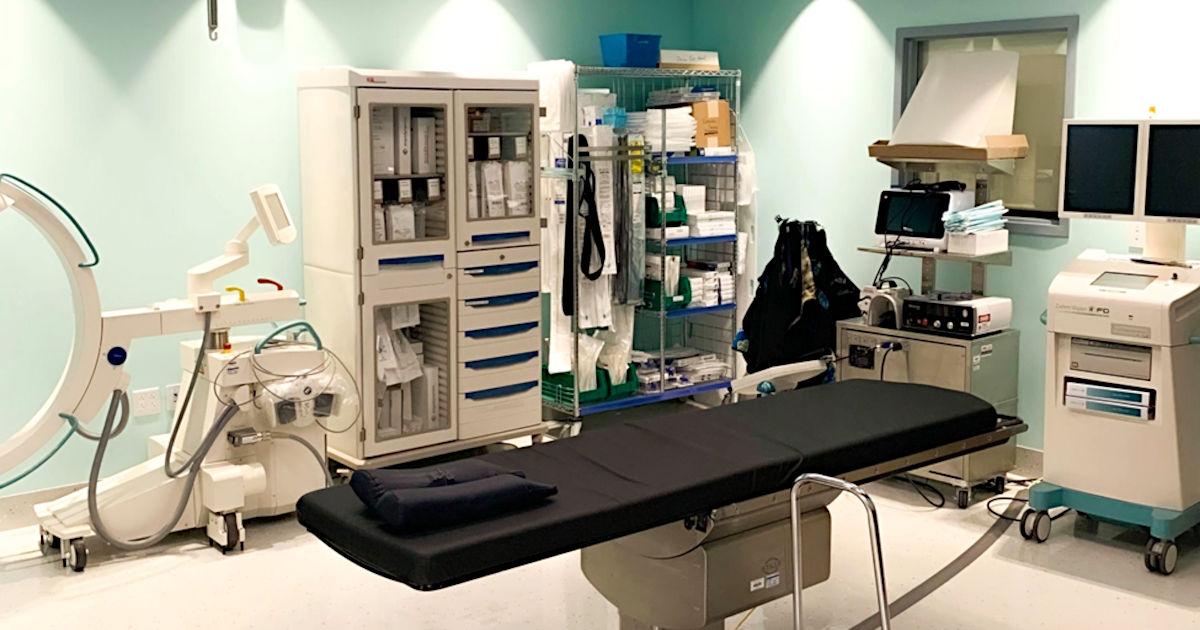
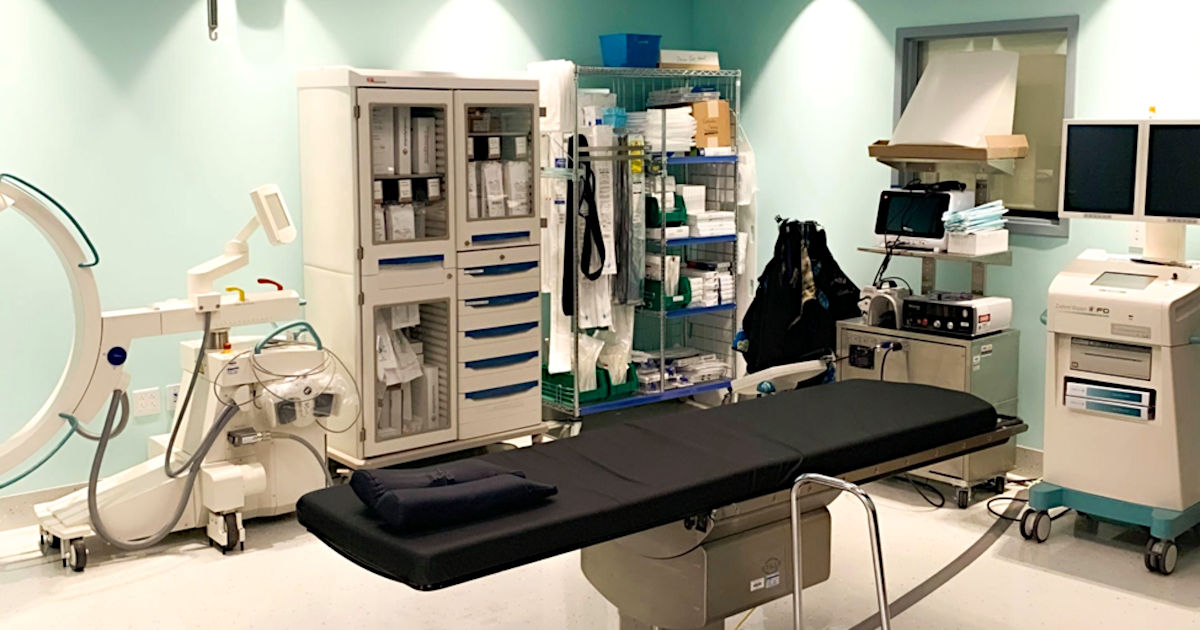
Photo:  Medical Imaging and Therapeutics, surgical suite for minimally invasive procedures


Virtual Road Show Series – Wednesday April 21 @ 1:00pm EST

Join PDS Biotechnology CEO Frank Bedu-Addo, CMO Lauren Wood, and CFO Seth Van Voorhees for this exclusive corporate presentation, followed by a Q & A session moderated by Robert LeBoyer, Noble’s senior research analyst, featuring questions taken from the audience. Registration is free and open to all investors, at any level.

Register Now  |  View All Upcoming Road Shows


Stay up to date. Follow us:


Stay up to date. Follow us:

Release – Lineage Cell Therapeutics (LCTX) – Announces Worldwide License Agreement With Immunomic Therapeutics


Lineage Announces Worldwide License Agreement With Immunomic Therapeutics For An Allogeneic Cell-Based Cancer Immunotherapy Based On Its Vac Platform


  • Lineage to Receive $2 Million Upfront and up to $67 Million in Development and Commercial Milestones Plus Royalties
  • Partnership Leverages the VAC Allogeneic Cancer Immunotherapy Vaccine Platform and Immunomic’s Proprietary Tumor Associated Antigen to Generate a Novel Oncology Product Candidate
  • Immunomic Will be Responsible for Future Clinical Development and Commercialization Costs

CARLSBAD, Calif.–(BUSINESS WIRE)–Apr. 20, 2021– 

Lineage Cell Therapeutics, Inc.
 (NYSE American and TASE: LCTX), a clinical-stage biotechnology company developing novel cell transplants for serious medical conditions, today announced a worldwide license and development collaboration agreement with 

Immunomic Therapeutics, Inc.
, (“ITI”), a privately-held clinical-stage biotechnology company pioneering the study of nucleic acid immunotherapy platforms. The collaboration will generate a novel product candidate derived from Lineage’s VAC allogeneic cancer immunotherapy platform and targeting a proprietary Tumor Associated Antigen (TAA) construct provided by ITI, for the treatment of glioblastoma multiforme (GBM). Lineage and ITI will collaborate in the manufacturing and clinical development of a novel VAC product candidate. Following the full development and delivery of Current Good Manufacturing Practice (cGMP) VAC product material, ITI will assume full and independent clinical and commercial responsibility and further advancement of the program. Under the terms of the agreement, Lineage will be entitled to upfront payments totaling 
$2 million anticipated in the first year and up to 
$67 million in development and commercial milestones across multiple indications and territories. Lineage also will be eligible to receive royalties up to 10% on net sales of future products.

“The VAC platform provides us with the opportunity to generate a broad pipeline of product candidates, each targeting a different type of cancer,” stated  Brian Culley, Lineage CEO. “This collaboration represents the first of many partnerships we hope to enter into with our platform and we believe it helps further validate VAC as a promising new therapeutic vaccine platform. Our objective is to leverage our technology to generate additional VAC-derived cell therapies for our pipeline, as well as in collaboration with partners, capitalizing on the strength of Lineage’s recent manufacturing and cell transplant success. These alliances also will diversify our oncology pipeline across more programs, providing new opportunities for success without the financial burden of independent development. We appreciate ITI selecting our antigen delivery platform for this collaboration and look forward to a productive partnership on this new VAC-derived product candidate. We also are eager to collaborate with additional partners on future versions of VAC.”

“We’re very pleased to collaborate with Lineage, a well-recognized cell therapy company, to expand our pipeline with the development of a novel product candidate to treat GBM,” commented Dr.  William Hearl, CEO of ITI. “Over the last several years, ITI has invested significant capital and development resources to identifying multiple novel paths forward in GBM. By teaming up with Lineage, we are hoping to expand our efforts in this difficult to treat indication and look forward to the benefit that the VAC immunotherapy platform can bring to our antigen constructs.”

About Glioblastoma multiforme (GBM)

Glioblastoma multiforme (GBM) (also called glioblastoma) is a fast-growing glioma that develops from star-shaped glial cells (astrocytes and oligodendrocytes) that support the health of the nerve cells within the brain. GBM is often referred to as a grade IV astrocytoma. These are the most invasive type of glial tumors, rapidly growing and commonly spreading into nearby brain tissue. GBMs can arise in the brain “de novo” or evolve from lower-grade astrocytomas or oligodendrogliomas. In adults, GBM occurs most often in the cerebral hemispheres, especially in the frontal and temporal lobes of the brain. GBM is a devastating brain cancer that typically results in death in the first 15 months after diagnosis, with only 25% of glioblastoma patients surviving more than one year, and only 5% of patients surviving more than five years.

About VAC2

VAC2 is an allogeneic, or non-patient specific “off-the-shelf,” cancer vaccine product candidate designed to stimulate patient immune responses to an antigen commonly expressed in cancerous cells but not in normal adult cells. VAC2, which is produced from a pluripotent cell technology using a directed differentiation method, is comprised of a population of nonproliferating mature dendritic cells. As the most potent type of antigen presenting cell in the body, dendritic cells instruct the body’s immune system to attack and eliminate harmful pathogens and unwanted cells. Because the tumor antigen is loaded exogenously into the dendritic cells prior to administration, VAC2 is a platform technology that can be modified to carry selected antigens, including patient-specific tumor neo-antigens or viral antigens. VAC2 is currently being tested in a Phase 1 study in adult patients with non-small cell lung cancer (NSCLC) in the advanced and adjuvant settings (NCT03371485), conducted by 
Cancer Research UK.

About Immunomic Therapeutics, Inc.

Immunomic Therapeutics, Inc. (ITI) is a privately-held, clinical stage biotechnology company pioneering the development of vaccines through its investigational proprietary technology platform, UNiversal Intracellular Targeted Expression (UNITE), which is designed to utilize the body’s natural biochemistry to develop vaccines that have the potential to generate broad immune responses. The UNITE platform has a robust history of applications in various therapeutic areas, including infectious diseases, oncology, allergy and autoimmune diseases. ITI is primarily focused on applying the UNITE platform to oncology, where it could potentially have broad applications, including targeting viral antigens, cancer antigens, neoantigens and producing antigen-derived antibodies as biologics. In 2020, an investment of over 
$77M by 
HLB Co., LTD, a global pharmaceutical company, enabled ITI to accelerate application of its immuno-oncology platform, in particular to glioblastoma multiforme, and rapidly advance other key candidates in the pipeline, including the most recent initiative into infectious diseases with development of its vaccine candidate for COVID-19. The Company has built a large pipeline from UNITE with eight oncology programs, multiple animal health programs and a SARS-CoV-2 program to prevent and treat COVID-19. ITI has entered into a significant allergy partnership with Astellas Pharma and has formed several academic collaborations with leading 
Immuno-oncology researchers at 
Duke University and the 
University of Florida. ITI maintains its headquarters in 
Rockville, Maryland. For more information, please visit www.immunomix.com.

About Lineage Cell Therapeutics, Inc. 

Lineage Cell Therapeutics is a clinical-stage biotechnology company developing novel cell therapies for unmet medical needs. Lineage’s programs are based on its robust proprietary cell-based therapy platform and associated in-house development and manufacturing capabilities. With this platform Lineage develops and manufactures specialized, terminally differentiated human cells from its pluripotent and progenitor cell starting materials. These differentiated cells are developed to either replace or support cells that are dysfunctional or absent due to degenerative disease or traumatic injury or administered as a means of helping the body mount an effective immune response to cancer. Lineage’s clinical programs are in markets with billion dollar opportunities and include three allogeneic (“off-the-shelf”) product candidates: (i) OpRegen®, a retinal pigment epithelium transplant therapy in Phase 1/2a development for the treatment of dry age-related macular degeneration, a leading cause of blindness in the developed world; (ii) OPC1, an oligodendrocyte progenitor cell therapy in Phase 1/2a development for the treatment of acute spinal cord injuries; and (iii) VAC, an allogeneic dendritic cell therapy platform for immuno-oncology and infectious disease, currently in clinical development for the treatment of non-small cell lung cancer. For more information, please visit www.lineagecell.com or follow the Company on Twitter @LineageCell.

Forward-Looking Statements

Lineage cautions you that all statements, other than statements of historical facts, contained in this press release, are forward-looking statements. Forward-looking statements, in some cases, can be identified by terms such as “believe,” “may,” “will,” “estimate,” “continue,” “anticipate,” “design,” “intend,” “expect,” “could,” “plan,” “potential,” “predict,” “seek,” “should,” “would,” “contemplate,” project,” “target,” “tend to,” or the negative version of these words and similar expressions. Such statements include, but are not limited to, statements relating to compensation to Lineage under its license agreement with ITI, the potential of the VAC platform and product candidates derived from the platform, Lineage’s plans to advance the VAC platform and expand its application, including through partnerships. Forward-looking statements involve known and unknown risks, uncertainties and other factors that may cause Lineage’s actual results, performance or achievements to be materially different from future results, performance or achievements expressed or implied by the forward-looking statements in this press release, including risks and uncertainties inherent in Lineage’s business and other risks in Lineage’s filings with the 
Securities and Exchange Commission (SEC). Lineage’s forward-looking statements are based upon its current expectations and involve assumptions that may never materialize or may prove to be incorrect. All forward-looking statements are expressly qualified in their entirety by these cautionary statements. Further information regarding these and other risks is included under the heading “Risk Factors” in Lineage’s periodic reports with the 
SEC, including Lineage’s most recent Annual Report on Form 10-K filed with the 
SEC and its other reports, which are available from the SEC’s website. You are cautioned not to place undue reliance on forward-looking statements, which speak only as of the date on which they were made. Lineage undertakes no obligation to update such statements to reflect events that occur or circumstances that exist after the date on which they were made, except as required by law.

Lineage Cell Therapeutics, Inc. IR
Ioana C. Hone
([email protected])
(442) 287-8963

Solebury Trout IR
Gitanjali Jain Ogawa
([email protected])
(646) 378-2949

Russo Partners – Media Relations
Nic Johnson or  David Schull
[email protected]
[email protected]
(212) 845-4242

Source: 
Lineage Cell Therapeutics, Inc.

Release – electroCore Inc. (ECOR) – Announces Exclusive Distribution Agreement with East Agency For Qatar


electroCore, Inc. Announces Exclusive Distribution Agreement with East Agency For Qatar


ROCKAWAY, NJ, 
April 20, 2021 (GLOBE NEWSWIRE) —  electroCore, Inc. (Nasdaq: ECOR), a commercial-stage bioelectronic medicine company, today announced it has entered into an agreement with East Agency to serve as the exclusive distributor of the gammaCore Sapphire™ non-invasive vagus nerve stimulator (nVNS) to patients suffering from primary headache disorders in 
Qatar.

“East Agency is a dedicated healthcare company focusing on high-end technologies and innovations targeting the Qatari market, and the addition of such an innovative technology in electroCore’s nVNS therapy is a matter of pride for us” said Mohammed Abdul Moqeeth, Head of the 
Medical Division of East Agency. “nVNS therapy can save patients from traumatic situations with no present solutions and it is always exciting to offer solutions rather than just products. 
East Agency is determined to honor its commitment to establish gammaCore in the region.”

“We are excited to be working with 
East Agency as we bring our nVNS therapy to the 
Middle East region initially in the State of Qatar” said Iain Strickland, electroCore’s Vice President of European Operations. “East Agency is experienced in introducing innovative medical technologies within 
Qatar and we look forward to supporting them in introducing our nVNS therapy, gammaCore Sapphire, in the region.”

The initial term of the agreement is three years, and it contains customary terms and conditions, including minimum purchase commitments.

        
About East Agency

East Agency was founded in 1997 as a sister concern of 
AlAli Holdings. The company is privately owned and has diversified business activities marking its presence in almost every sector of the medical industry.

East Agency has been providing quality healthcare services to 
Qatar in government, Public and Private sectors dealing in Dental, Medical Devices, Hospital consumables, Pharma, Derma, Lab Chemicals and Diagnostic Equipment & Reagents.

For more information, visit http://medical.eastagency.com/about-us.html

About electroCore, Inc.

electroCore, Inc. is a commercial stage bioelectronic medicine company dedicated to improving patient outcomes through its platform non-invasive vagus nerve stimulation therapy initially focused on the treatment of multiple conditions in neurology. The company’s current indications are for the preventative treatment of cluster headache and migraine and acute treatment of migraine and episodic cluster headache.

For more information, visit www.electrocore.com.

About gammaCoreTM

gammaCoreTM (nVNS) is the first non-invasive, hand-held medical therapy applied at the neck as an adjunctive therapy to treat migraine and cluster headache through the utilization of a mild electrical stimulation to the vagus nerve that passes through the skin. Designed as a portable, easy-to-use technology, gammaCore can be self-administered by patients, as needed, without the potential side effects associated with commonly prescribed drugs. When placed on a patient’s neck over the vagus nerve, gammaCore stimulates the nerve’s afferent fibers, which may lead to a reduction of pain in patients.

gammaCore is FDA cleared in the United States for adjunctive use for the preventive treatment of cluster headache in adult patients, the acute treatment of pain associated with episodic cluster headache in adult patients, and the acute and preventive treatment of migraine in adolescent (ages 12 and older) and adult patients. gammaCore is CE-marked in the European Union for the acute and/or prophylactic treatment of primary headache (Migraine, Cluster Headache, Trigeminal Autonomic Cephalalgias and Hemicrania Continua) and Medication Overuse Headache in adults.

  • gammaCore is contraindicated for patients with:
    • An active implantable medical device, such as a pacemaker, hearing aid implant, or any implanted electronic device
    • A metallic device, such as a stent, bone plate, or bone screw, implanted at or near the neck
    • An open wound, rash, infection, swelling, cut, sore, drug patch, or surgical scar(s) on the neck at the treatment location
  • Safety and efficacy of gammaCore have not been evaluated in the following patients:
    • Patients diagnosed with narrowing of the arteries (carotid atherosclerosis)
    • Patients who have had surgery to cut the vagus nerve in the neck (cervical vagotomy)
    • Pediatric
    • Patients (younger than 12 years)
    • Pregnant women
    • Patients with clinically significant hypertension, hypotension, bradycardia, or tachycardia

Please refer to the gammaCore Instructions for Use for all of the important warnings and precautions before using or prescribing this product.

Forward-Looking Statements

This press release and other written and oral statements made by representatives of electroCore may contain forward-looking statements within the meaning of the Private Securities Litigation Reform Act of 1995. Such forward-looking statements include, but are not limited to, statements about electroCore’s business prospects and clinical and product development plans; its pipeline or potential markets for its technologies; the timing, outcome and impact of regulatory, clinical and commercial developments; the Company’s business prospects in 
Qatar and other new markets and other statements that are not historical in nature, particularly those that utilize terminology such as “anticipates,” “will,” “expects,” “believes,” “intends,” other words of similar meaning, derivations of such words and the use of future dates. Actual results could differ from those projected in any forward-looking statements due to numerous factors. Such factors include, among others, the ability to raise the additional funding needed to continue to pursue electroCore’s business and product development plans, the inherent uncertainties associated with developing new products or technologies, the ability to commercialize gammaCore™, the potential impact and effects of COVID-19 on the business of electroCore, electroCore’s results of operations and financial performance, and any measures electroCore has and may take in response to COVID-19 and any expectations electroCore may have with respect thereto, competition in the industry in which electroCore operates and overall market conditions. Any forward-looking statements are made as of the date of this press release, and electroCore assumes no obligation to update the forward-looking statements or to update the reasons why actual results could differ from those projected in the forward-looking statements, except as required by law. Investors should consult all of the information set forth herein and should also refer to the risk factor disclosure set forth in the reports and other documents electroCore files with the 
SEC available at www.sec.gov.


Investors:
Rich CockrellCG Capital
404-736-3838
[email protected]

or

Media Contact:
Summer Diaz
electroCore
816-401-6333
[email protected]

Release – Genprex (GNPX) – Genprex to Receive Inaugural License of the Year Award from University of Pittsburgh Innovation Institute


Genprex to Receive Inaugural “License of the Year” Award from University of Pittsburgh Innovation Institute in Recognition of Advances Made with Gene Therapy Program in Diabetes


Groundbreaking, potentially curative gene therapy shown to transform alpha cells in the pancreas into functional beta-like cells is potentially applicable to both Type 1 and Type 2 diabetes 

AUSTIN, Texas — (April 20, 2021) — Genprex, Inc. (“Genprex” or the “Company”) (NASDAQ: GNPX), a clinical-stage gene therapy company focused on developing life-changing therapies for patients with cancer and diabetes, announces today that the Company has been selected to receive the inaugural “License of the Year” award from the University of Pittsburgh Innovation Institute (UPII) in recognition of the advances made with its license from University of Pittsburgh toward progressing the development of its gene therapy for diabetes.  

In February 2020, Genprex signed an exclusive license agreement with the University of Pittsburgh for an innovative gene therapy technology developed by lead researcher, George Gittes, M.D. at the Rangos Research Center at the University of Pittsbugh Medical Center (“UPMC”) Children’s Hospital. The diabetes gene therapy candidate, GPX-002, which is being evaluated in preclinical studies, reprograms alpha cells in the pancreas into functional beta-like cells, thereby replenishing levels of insulin and providing the potential to cure the disease. The novel infusion is by means of an endoscopic procedure that delivers Pdx1 and MafA genes to the pancreas. The genes express proteins that transform alpha cells in the pancreas into functional beta-like cells, which can produce insulin but are distinct enough from beta cells to evade the body’s immune system.  

“We thank the UPII for acknowledging the breakthrough work of Dr. George Gittes and his team at the Rangos Research Center at UPMC Children’s Hospital of Pittsburgh, whose efforts have produced this highly innovative therapeutic approach to treating diabetes that could replace the need for insulin replacement therapy and ultimately lead to a cure of this devastating illness afflicting tens of millions of people around the world,” said Rodney Varner, President and Chief Executive Officer of Genprex. “We are honored to receive this recognition, considering the great number of cutting-edge technologies coming out of this distinguished university and research center. We thank UPII for bestowing this honor on our gene therapy license with Dr. Gittes and the Rangos Research Center and applaud them for the groundbreaking gene therapy research being conducted at this esteemed institution.” 

The “Celebration of Innovation” awards ceremony will be held virtually on April 22, 2021 on the Pitt Innovation Institute YouTube channel at 4:30 p.m ET. 

GPX-002 has been tested in vivo in mice and nonhuman primates. In studies in non-obese diabetic mice, a model of Type 1 autoimmune diabetes, the gene therapy approach restored normal blood glucose levels for an extended period of time, typically around four months. According to the researchers, the duration of restored blood glucose levels in mice could potentially translate to decades in humans. If successful, this gene therapy could eliminate the need for insulin replacement therapy for diabetic patients. According to the U.S. Center for Disease Control, 34.2 million Americans, or approximately 10.5% of the population, have diabetes.

About Genprex, Inc.

Genprex, Inc. is a clinical-stage gene therapy company focused on developing life-changing therapies for patients with cancer and diabetes. Genprex’s technologies are designed to administer disease-fighting genes to provide new therapies for large patient populations with cancer and diabetes who currently have limited treatment options. Genprex works with world-class institutions and collaborators to develop drug candidates to further its pipeline of gene therapies in order to provide novel treatment approaches. The Company’s lead product candidate, REQORSA™ (quaratusugene ozeplasmid), is being evaluated as a treatment for non-small cell lung cancer (NSCLC). REQORSA has a multimodal mechanism of action that has been shown to interrupt cell signaling pathways that cause replication and proliferation of cancer cells; re-establish pathways for apoptosis, or programmed cell death, in cancer cells; and modulate the immune response against cancer cells. REQORSA has also been shown to block mechanisms that create drug resistance. In January 2020, the U.S. Food and Drug Administration granted Fast Track Designation for REQORSA for NSCLC in combination therapy with AstraZeneca’s Tagrisso® (osimertinib) for patients with EFGR mutations whose tumors progressed after treatment with Tagrisso. For more information, please visit the Company’s web site at www.genprex.com or follow Genprex on Twitter, Facebook and LinkedIn.

Cautionary Language Concerning Forward-Looking Statements 

Statements contained in this press release regarding matters that are not historical facts are “forward-looking statements” within the meaning of the Private Securities Litigation Reform Act of 1995. These forward-looking statements are made on the basis of the current beliefs, expectations and assumptions of management, are not guarantees of performance and are subject to significant risks and uncertainty. These forward-looking statements should, therefore, be considered in light of various important factors, including those set forth in Genprex’s reports that it files from time to time with the Securities and Exchange Commission and which you should review, including those statements under “Item 1A – Risk Factors” in Genprex’s Annual Report on Form 10-K.

Because forward-looking statements are subject to risks and uncertainties, actual results may differ materially from those expressed or implied by such forward-looking statements. Such statements include, but are not limited to, statements regarding: the timing and success of Genprex’s clinical trials and regulatory approvals; the effect of Genprex’s product candidates, alone and in combination with other therapies, on cancer and diabetes;  Genprex’s future growth and financial status; Genprex’s commercial and strategic partnerships including the scale up of the manufacture of its product candidates; and Genprex’s intellectual property and licenses. 

These forward-looking statements should not be relied upon as predictions of future events and Genprex cannot assure you that the events or circumstances discussed or reflected in these statements will be achieved or will occur. If such forward-looking statements prove to be inaccurate, the inaccuracy may be material. You should not regard these statements as a representation or warranty by Genprex or any other person that Genprex will achieve its objectives and plans in any specified timeframe, or at all. You are cautioned not to place undue reliance on these forward-looking statements, which speak only as of the date of this press release. Genprex disclaims any obligation to publicly update or release any revisions to these forward-looking statements, whether as a result of new information, future events or otherwise, after the date of this press release or to reflect the occurrence of unanticipated events, except as required by law.

Genprex, Inc.
(877) 774-GNPX (4679)

Investor Relations
GNPX Investor Relations
(877) 774-GNPX (4679) ext. #2
[email protected]

Media Contact
Genprex Media Relations
(877) 774-GNPX (4679) ext. #3
[email protected]

PDS Biotechnology (PDSB) – Announces Participation in Noble Capital Markets Virtual Road Show Series


PDS Biotech Announces Participation in Noble Capital Markets Virtual Road Show Series


Florham Park, NJ, April 19, 2021 (GLOBE NEWSWIRE) — PDS Biotechnology Corporation (Nasdaq: PDSB), a clinical-stage immunotherapy company developing novel cancer therapies and infectious disease vaccines based on the Company’s proprietary Versamune® T-cell activating technology, today announced their participation in Noble Capital Markets’ Virtual Road Show Series, presented by Channelchek, scheduled for April 21, 2021.

The virtual roadshow will feature a corporate presentation from PDS Biotech President and CEO Dr. Frank Bedu-Addo, Chief Medical Officer Dr. Lauren Wood and Chief Financial Officer Seth Van Voorhees followed by a question and answer session proctored by Noble Senior Research Analyst Robert LeBoyer, featuring questions submitted by the audience.

The live broadcast of the virtual roadshow is scheduled for April 21, 2021, at 1 PM EDT. Registration is free and open to all investors, at any level. Register Here.

Noble’s research, as well as news and advanced market data on PDS Biotechnology is available on Channelchek.

About PDS Biotechnology

PDS Biotech is a clinical-stage immunotherapy company with a growing pipeline of cancer immunotherapies and infectious disease vaccines based on the Company’s proprietary Versamune® T-cell activating technology platform. Versamune® effectively delivers disease-specific antigens for in vivo uptake and processing, while also activating the critical type 1 interferon immunological pathway, resulting in production of potent disease-specific killer T-cells as well as neutralizing antibodies. PDS Biotech has engineered multiple therapies, based on combinations of Versamune® and disease-specific antigens, designed to train the immune system to better recognize disease cells and effectively attack and destroy them. To learn more, please visit www.pdsbiotech.com or follow us on Twitter at @PDSBiotech.

About Noble Capital Markets

Noble Capital Markets, Inc. was incorporated in 1984 as a full-service SEC / FINRA registered broker-dealer, dedicated exclusively to serving underfollowed small / microcap companies through investment banking, wealth management, trading & execution, and equity research activities. Over the past 36 years, Noble has raised billions of dollars for these companies and published more than 45,000 equity research reports. www.noblecapitalmarkets.com email: [email protected]

About Channelchek

Channelchek (.com) is a comprehensive investor-centric portal – featuring more than 6,000 emerging growth companies – that provides advanced market data, independent research, balanced news, video webcasts, exclusive c-suite interviews, and access to virtual road shows. The site is available to the public at every level without cost or obligation. Research on Channelchek is provided by Noble Capital Markets, Inc., an SEC / FINRA registered broker-dealer since 1984. channelchek.vercel.app email: [email protected]

CONTACT: Investor Contact:
Rich Cockrell
CG CAPITAL
404.736.3838
[email protected]

Company Contact:
Deanne Randolph
PDS Biotech
Phone: 908.517.3613
[email protected]