
Ocugen On Track to Submit Emergency Use Authorization Application to U.S. FDA for its COVID-19 Vaccine Candidate COVAXIN


Ocugen On Track to Submit Emergency Use Authorization Application to U.S. FDA for its COVID-19 Vaccine Candidate, COVAXIN™


  • Active discussions with FDA related to COVAXIN initiated late last year
  • Master file submitted to FDA on March 26, 2021; awaiting feedback from FDA

MALVERN, Pa., May 26, 2021 (GLOBE NEWSWIRE) — Ocugen, Inc. (Nasdaq: OCGN), a biopharmaceutical company focused on discovering, developing, and commercializing gene therapies to cure blindness diseases and developing a vaccine to save lives from COVID-19, today confirmed its plan to submit its Emergency Use Authorization (EUA) application for COVAXIN to the U.S. Food & Drug Administration (FDA) in June.

“Since we have been in discussions with the FDA since late last year, we do not believe that the FDA’s recently revised guidance regarding EUAs raises any concerns about our ability to submit the EUA for COVAXIN as planned, which is currently in process and which we expect to submit to the FDA in June. We believe that the FDA’s new guidance confirms that Ocugen continues to meet all criteria for submission of an EUA. Once the EUA application has been submitted, Ocugen intends to commence pre-biologics license application (BLA) discussions with the FDA,” said Dr. Shankar Musunuri, Chairman of the Board, Chief Executive Officer, and Co-founder of Ocugen.

“FDA’s guidance refers specifically to vaccines based on the spike protein. COVAXIN is a unique yet traditional vaccine using an inactivated version of the whole virus with a novel adjuvant that provides a broadly protective immune response beyond the spike protein, offering potential effectiveness against multiple existing and emerging variants and reducing the possibility of mutant virus escape,” said Dr. Bruce Forrest, Acting Chief Medical Officer and member of the vaccine scientific advisory board of Ocugen.

About COVAXIN

COVAXIN, India’s COVID-19 vaccine by Bharat Biotech, is developed in collaboration with the Indian Council of Medical Research (ICMR) – National Institute of Virology (NIV). COVAXIN is a highly purified and inactivated vaccine that is manufactured using a vero cell manufacturing platform with an excellent safety track record of more than 300 million doses supplied. Based on a traditional vaccine platform that has a long-established safety profile, COVAXIN continues to show strong results in all the studies conducted to date including a vaccine efficacy rate of 78% overall efficacy and 100% in severe COVID-19 disease, including hospitalizations, in second interim results of Bharat Biotech’s Phase 3 clinical trial.

In addition to generating strong immune response against multiple antigens, COVAXIN has been shown to generate memory T cell responses, for its multiple epitopes, indicating longevity and a rapid antibody response to future infections. With published data demonstrating a safety profile superior to published safety data from separate studies for several other vaccines, COVAXIN is packaged in multi-dose vials that can be stored at 2-8?C.

COVAXIN studies show potential effectiveness against three key variants of SARS-CoV-2. Scientists at the Indian Council of Medical Research (ICMR)-National Institute of Virology, using an in-vitro plaque reduction neutralization assay, have found that COVAXIN-vaccinated sera effectively neutralized the Brazil variant of SARS-CoV-2, B.1.128.2, the UK variant, B.1.1.7, as well as the Indian double mutant variant, B.1.617. These studies suggest that COVAXIN vaccination may be effective against multiple SARS-CoV-2 variants.

About Ocugen, Inc.

Ocugen, Inc. is a biopharmaceutical company focused on discovering, developing, and commercializing gene therapies to cure blindness diseases and developing a vaccine to save lives from COVID-19. Our breakthrough modifier gene therapy platform has the potential to treat multiple retinal diseases with one drug – “one to many” and our novel biologic product candidate aims to offer better therapy to patients with underserved diseases such as wet age-related macular degeneration, diabetic macular edema, and diabetic retinopathy. We are co-developing Bharat Biotech’s COVAXIN™ vaccine candidate for COVID-19 in the U.S. market. For more information, please visit www.ocugen.com.

Cautionary Note on Forward-Looking Statements

This press release contains forward-looking statements within the meaning of The Private Securities Litigation Reform Act of 1995, which are subject to risks and uncertainties. We may, in some cases, use terms such as “predicts,” “believes,” “potential,” “proposed,” “continue,” “estimates,” “anticipates,” “expects,” “plans,” “intends,” “may,” “could,” “might,” “will,” “should” or other words that convey uncertainty of future events or outcomes to identify these forward-looking statements. Such forward-looking statements include information about qualitative assessments of available data, potential benefits, expectations for clinical trials, and anticipated timing of clinical trial readouts and regulatory submissions. This information involves risks and uncertainties that could cause actual results to differ materially from those expressed or implied by such statements. Risks and uncertainties include, among other things, the uncertainties inherent in research and development, including the ability to meet anticipated clinical endpoints, commencement and/or completion dates for clinical trials, regulatory submission dates, regulatory approval dates and/or launch dates, as well as risks associated with preliminary and interim data (including the Phase 3 interim data referred to in this press release), including the possibility of unfavorable new clinical trial data and further analyses of existing clinical trial data; the risk that clinical trial data are subject to differing interpretations and assessments, including during the peer review/publication process, in the scientific community generally, and by regulatory authorities; whether and when data from Bharat Biotech’s clinical trials will be published in scientific journal publications and, if so, when and with what modifications; whether the U.S. Food and Drug Administration (FDA) will be satisfied with the design of and results from preclinical and clinical studies of COVAXIN, which have been conducted by Bharat Biotech in India; whether and when any biologics license and/or emergency use authorization applications may be filed in the United States for COVAXIN; whether and when any such applications may be approved by the FDA; decisions by the FDA impacting labeling, manufacturing processes, safety and/or other matters that could affect the availability or commercial potential of COVAXIN in the United States, including development of products or therapies by other companies. These and other risks and uncertainties are more fully described in our periodic filings with the Securities and Exchange Commission (SEC), including the risk factors described in the section entitled “Risk Factors” in the quarterly and annual reports that we file with the SEC. Any forward-looking statements that we make in this press release speak only as of the date of this press release. Except as required by law, we assume no obligation to update forward-looking statements contained in this press release whether as a result of new information, future events or otherwise, after the date of this press release.

Ocugen Contact:
Ocugen, Inc.
Sanjay Subramanian
CFO and Head of Corp. Dev.
IR@Ocugen.com

Media Contact:
LaVoieHealthScience
Lisa DeScenza
ldescenza@lavoiehealthscience.com
+1 9783955970 

ProMIS Neurosciences appoints renowned scientist, Dr. David Wishart as Chief Physics Officer


ProMIS Neurosciences appoints renowned scientist, Dr. David Wishart as Chief Physics Officer


TORONTO, Ontario and CAMBRIDGE, Mass.—May 27, 2021—ProMIS Neurosciences, Inc. (TSX: PMN) (OTCQB: ARFXF), a biotechnology company focused on the discovery and development of antibody therapeutics targeting toxic oligomers implicated in the development of neurodegenerative diseases, today announced the appointment of  Dr. David Wishart, Distinguished University Professor in the Departments of Biological Sciences and Computing Science at the University of Alberta, as Chief Physics Officer at ProMIS. Dr. Wishart has been  one of the world’s most highly cited scientists for each of the past seven years and brings more than three decades in protein folding and misfolding research to ProMIS, creating industry-leading depth in this area of therapeutic development for neurodegenerative and other diseases. 

“Over the past half year as a member of the ProMIS scientific advisory board (SAB) I have participated in the ProMIS weekly R&D meetings and have come to appreciate the outstanding quality of the ProMIS scientific program and team led by Dr. Neil Cashman. With my appointment as Chief Physics Officer I now look forward to offering my experience and expertise in the field of protein misfolding to the ProMIS team, and in particular to continued expansion of the ProMIS technology platform which is uniquely capable of identifying the sequence and shape (conformation) of novel binding targets on misfolded proteins implicated in the development of neurodegenerative diseases such as Alzheimer’s, Parkinson’s and ALS.”

“ProMIS has leveraged its industry leading technology platform to create a portfolio of antibody, intrabody and vaccine candidates that are highly selective for the misfolded protein aggregates driving pathogenesis,” stated Dr. Neil Cashman, ProMIS Chief Scientific Officer (CSO).  “As Chief Physics Officer, Dr. Wishart will play a pivotal role to further develop and expand the application of our proprietary platform to the biology of additional misfolded protein diseases.  I would also like to take this opportunity to sincerely thank Dr. Steven Plotkin for his outstanding prior service to the company as the ProMIS Chief Physics Officer since its inception.”

“ProMIS’s unique capability is our unrivalled antibody discovery platform, and Dr. Wishart has already added immeasurably to that capability,” said Executive Chairman Eugene Williams.  “IBM’s quantum computing group predicted last year that within five years (i.e., by 2025) quantum computing will enable ‘developing novel biologic products based on protein folding predictions.’  ProMIS has already demonstrated that capability for years, in part by focusing on the narrower problem of predicting conformational epitopes exposed only on pathogenic, mis-folded proteins, but also by collaborating with extraordinarily talented scientists like Dr. Wishart and his team.”

About Dr. David Wishart

Dr. Wishart has been studying protein folding and misfolding for more than 30 years using a combination of computational and experimental approaches. These experimental approaches include NMR spectroscopy, circular dichroism, fluorescence spectroscopy, electron microscopy, protein engineering and molecular biology. The computational methods include molecular dynamics, agent-based modeling, bioinformatics and machine learning. Over the course of his career, Dr. Wishart has published more than 430 scientific papers, which have been cited more than 78,000 times, covering many areas of protein science including structural biology, protein metabolism and computational biochemistry. He has been with the University of Alberta since 1995 and is currently a Distinguished University Professor in the Departments of Biological Sciences and Computing Science. He also holds adjunct appointments with the Faculty of Pharmaceutical Sciences and the Department of Pathology and Laboratory Medicine.  

Dr. Wishart has been awarded research grants totaling more than $130 million from a number of funding agencies. He has also led or directed a number of core facilities and centers and currently co-directs The Metabolomics Innovation Centre (TMIC), Canada’s national metabolomics laboratory. Dr. Wishart held the Bristol-Myers Squibb Research Chair in Pharmaceutical Sciences from 1995-2005, received the Astra-Zeneca-CFPS Young Investigator Prize in 2001, was awarded a Lifetime Honorary Fellowship by the Metabolomics Society in 2014 and was elected as a Fellow of the Royal Society of Canada in 2017. 

About ProMIS Neurosciences

ProMIS Neurosciences, Inc. is a development stage biotechnology company focused on discovering and developing antibody therapeutics selectively targeting toxic oligomers implicated in the development and progression of neurodegenerative diseases, in particular Alzheimer’s disease (AD), amyotrophic lateral sclerosis (ALS) and Parkinson’s disease (PD). The Company’s proprietary target discovery engine is based on the use of two complementary techniques. The Company applies its thermodynamic, computational discovery platform—ProMIS and Collective Coordinates—to predict novel targets, known as Disease Specific Epitopes, on the molecular surface of misfolded proteins. Using this unique approach, the Company is developing novel antibody therapeutics for AD, ALS and PD.  ProMIS is headquartered in Toronto, Ontario, with offices in Cambridge, Massachusetts. ProMIS is listed on the Toronto Stock Exchange under the symbol PMN, and on the OTCQB Venture Market under the symbol ARFXF.


For further information about ProMIS Neurosciences, please consult the Company’s website at:  www.promisneurosciences.com

Follow us on Twitter

Like us on LinkedIn


For Investor Relations please contact:

Alpine Equity Advisors
Nicholas Rigopulos, President
nick@alpineequityadv.com
Tel. 617 901-0785

The TSX has not reviewed and does not accept responsibility for the adequacy or accuracy of this release. This information release contains certain forward-looking information. Such information involves known and unknown risks, uncertainties and other factors that may cause actual results, performance or achievements to be materially different from those implied by statements herein, and therefore these statements should not be read as guarantees of future performance or results. All forward-looking statements are based on the Company’s current beliefs as well as assumptions made by and information currently available to it as well as other factors. Readers are cautioned not to place undue reliance on these forward-looking statements, which speak only as of the date of this press release. Due to risks and uncertainties, including the risks and uncertainties identified by the Company in its public securities filings, actual events may differ materially from current expectations. The Company disclaims any intention or obligation to update or revise any forward-looking statements, whether as a result of new information, future events or otherwise.

Cocrystal Pharma Inc. (COCP) – Transferring Coverage and Reiterating Rating

Thursday, May 27, 2021

Cocrystal Pharma Inc. (COCP)
Transferring Coverage and Reiterating Rating

Cocrystal Pharma Inc is a clinical stage biotechnology company discovering and developing novel antiviral therapeutics that target the replication machinery of influenza viruses, hepatitis C viruses, and noroviruses. The company employs structure-based technologies and Nobel Prize-winning expertise to create first-and best-in-class antiviral drugs. It is developing CC-31244, an investigational, oral, broad-spectrum replication inhibitor called a non-nucleoside inhibitor (NNI). CC-31244 is currently being evaluated in a Phase 2a study for the treatment of hepatitis C as part of a cocktail for ultra-short therapy of 4 to 6 weeks.

Robert LeBoyer, Senior Research Analyst, Noble Capital Markets, Inc.

Refer to the full report for the price target, fundamental analysis, and rating.

    A portfolio of anti-viral products with novel mechanisms of action.  The company has six antiviral products in development for Hepatitis C, Influenza, COVID-19, and Norovirus that are in development both as cocktails or monotherapies. We are transferring coverage and reiterating our rating on Cocrystal Pharmaceuticals. Our price target remains.

    Proprietary technology.  Its technology is based on Noble-prize-winning discoveries by Dr. Roger Kornberg, Chief Scientist and Chairman of its Scientific Advisory Board. It product pipeline has been developed using its proprietary structure-based design, based on X-ray crystallogrpahy and protein engineering …


This Company Sponsored Research is provided by Noble Capital Markets, Inc., a FINRA and S.E.C. registered broker-dealer (B/D).

*Analyst certification and important disclosures included in the full report. NOTE: investment decisions should not be based upon the content of this research summary.  Proper due diligence is required before making any investment decision. 

Release – ProMIS Neurosciences initiates commercialization of COVID-19 serology assay


ProMIS Neurosciences initiates commercialization of COVID-19 serology assay


Seasoned industry executive and entrepreneur, Owen Dempsey to lead the effort for ProMIS

TORONTO, Ontario and CAMBRIDGE, Massachusetts – May 25, 2021– ProMIS Neurosciences, Inc. (TSX: PMN); (OTCQB: ARFXF), a biotechnology company focused on the discovery and development of antibody therapeutics selectively targeting toxic oligomers implicated in the development of neurodegenerative diseases, today announced that it has initiated commercialization of its COVID-19 serology assay and has appointed Owen Dempsey to lead the commercialization program.

Owen’s professional work for the past 25 years has been to build companies founded to discover and commercialize antibodies in applications including life science research, pharmaceutical drug discovery, clinical diagnostics and therapeutic treatment of cancer, AIDS and other serious illness.  He has led private, venture-backed as well as NASDAQ-listed companies and is a past board member of ALDA, the Analytical, Life Science & Diagnostics Association.

 “I am delighted to lead this opportunity on behalf of ProMIS Neurosciences”, stated Owen Dempsey. “Our serology assay commercialization efforts will be targeting the need for a highly accurate test to detect, quantify and characterize antibodies against the virus causing COVID-19, either as a consequence of contracting the viral disease or in response to vaccination. Our initial focus will be on commercialization to the medical and public health community, vaccine developers, pharmaceutical companies, governmental agencies and other organizations.”

This advanced serology test developed by ProMIS Neurosciences measures not only serum antibodies to SARS-CoV-2, the novel coronavirus causing COVID-19, but also their protective activity against infection.  The assay simultaneously assesses antibody levels in the blood of study participants and their neutralizing activity against the original strain of SARS-CoV-2 as well as emerging variants.  Additional variants can be added to the assay as they are identified.  The assay utilizes an advanced, high-throughput, sensitive and accurate surface plasmon resonance (SPR) technology as opposed to traditional ELISA (enzyme-linked immunosorbent assay) methods.  

In commercializing an advanced serology testing platform, we aim to meet the needs of the medical community and investigators in academia, industry and government working to assess response and durability of response to vaccines as well as to monitor and assess antibody response to emerging strains of the virus..  As reported in the scientific literature, our accurate and sensitive format is capable of measuring neutralizing antibodies that inhibit coronavirus RBD binding to the human ACE2 receptor. This provides a powerful surrogate measure of antibody immunity without the need for live virus or pseudovirus formats. This and similar collaborative efforts may help to guide the need for boosters or modified vaccines addressing emerging strains and will inform the medical community’s preparedness to meet similar public threats to global health in the years ahead. 

It is important to note, as stated above that the initial marketing and commercialization of the assay will be directed only to organizations such as vaccine manufacturers, pharmaceutical companies and government organizations at the national and state/provincial level. The assay is not currently available to private individual consumers or the general public.

About ProMIS Neurosciences, Inc.

ProMIS Neurosciences, Inc. is a development stage biotechnology company focused on discovering and developing antibody therapeutics selectively targeting toxic oligomers implicated in the development and progression of neurodegenerative diseases, in particular Alzheimer’s disease (AD), amyotrophic lateral sclerosis (ALS) and Parkinson’s disease (PD). The Company’s proprietary target discovery engine is based on the use of two complementary techniques. The Company applies its thermodynamic, computational discovery platform -ProMIS and Collective Coordinates – to predict novel targets known as Disease Specific Epitopes on the molecular surface of misfolded proteins. Using this unique approach, the Company is developing novel antibody therapeutics for AD, ALS and PD.  ProMIS is headquartered in Toronto, Ontario, with offices in Cambridge, Massachusetts. ProMIS is listed on the Toronto Stock Exchange under the symbol PMN, and on the OTCQB Venture Market under the symbol ARFXF.


For further information about ProMIS Neurosciences, please consult the Company’s website at:  www.promisneurosciences.com


Follow us on Twitter

Like us on LinkedIn


For Investor Relations please contact:

Alpine Equity Advisors
Nicholas Rigopulos, President
nick@alpineequityadv.com
Tel. 617 901-0785


The TSX has not reviewed and does not accept responsibility for the adequacy or accuracy of this release. This information release contains certain forward-looking information. Such information involves known and unknown risks, uncertainties and other factors that may cause actual results, performance or achievements to be materially different from those implied by statements herein, and therefore these statements should not be read as guarantees of future performance or results. Specifically, the Company’s effort to commercialize its COVID-19 serology assay may not succeed due to many known and unknown factors, including the emergence of competing products, lack of market acceptance for its test, the cost of production relative to the revenue generated, and/or changes in the need for COVID-19 serology tests. All forward-looking statements are based on the Company’s current beliefs as well as assumptions made by and information currently available to it as well as other factors. Readers are cautioned not to place undue reliance on these forward-looking statements, which speak only as of the date of this press release. Due to risks and uncertainties, including the risks and uncertainties identified by the Company in its public securities filings, actual events may differ materially from current expectations. The Company disclaims any intention or obligation to update or revise any forward-looking statements, whether as a result of new information, future events or otherwise.

Release – Ceapro Inc. Announces Completion of Patient Enrollment in Clinical Study Evaluating Beta Glucan as a Cholesterol-Lowering Agent


Ceapro Inc. Announces Completion of Patient Enrollment in Clinical Study Evaluating Beta Glucan as a Cholesterol-Lowering Agent


– Clinical study evaluating the well-known health claims of beta glucan and its potentially beneficial approach for patients to lower plasma cholesterol –

– Study conducted in collaboration with the Montreal Heart Institute and led by MHI’s Montreal Health Innovations Coordinating Center (MHICC) –

– Topline data readout expected Q4 2021 –

EDMONTON, Alberta, May 26, 2021 (GLOBE NEWSWIRE) —  Ceapro Inc. (TSX-V: CZO) (“Ceapro” or the “Company”), a growth-stage biotechnology company focused on the development and commercialization of active ingredients for healthcare and cosmetic industries, today announced the completion of patient enrollment in its comparison study evaluating high-medium molecular weight beta glucan as a stand-alone or add-on therapy to statins (the “BetAvena study”) in subjects with hyperlipidemia.

The study is being conducted with the Montreal Heart Institute (MHI), led by Dr. Jean-Claude Tardif, Director of the Montreal Heart Institute Research Center and Principal Investigator for this clinical trial as part of a long-term collaboration.

“We are incredibly pleased with the flawless execution of this important clinical study, despite challenges posed by the COVID-19 pandemic. We are extremely grateful to Dr. Jean-Claude Tardif and his expert team at the Montreal Heart Institute and their dedication to getting this study across the finish line and providing the opportunity to assess and validate the well-known health benefits of beta glucan per the highest clinical practice standards. The amended protocol that we were granted for the study expanded our target addressable patient population, which provided both scientific and clinical value and aided in successfully completing patient enrollment. This is a major milestone for our Company as we expand as a biopharmaceutical company and we look forward to reporting topline data in the fourth quarter of this year,” stated Gilles Gagnon, M.Sc., MBA, President and CEO.

“With patient enrollment now complete, our team is focused on advancing this potential alternative treatment forward and bring the study to successful completion. Pending statistical review, the BetAvena study may represent a significant shift for the patient community hoping to achieve hyperlipidemia control with nutraceuticals such as Ceapro’s CP105F. We are impressed by the engagement of our clinical sites and our patients who had to compose with very difficult COVID circumstances,” added Dr. Tardif.

This multicenter, randomized, double-blind, parallel group, placebo-controlled study is conducted to determine the efficacy and safety of high-medium molecular weight beta glucan in subjects with hyperlipidemia (LDL-C level >130 mg/d L (3.37 mmol/L). The 18 to 24-month study enrolled approximately 264 subjects who cannot tolerate high doses of current treatments. The Company received approval from Health Canada in February 2020 to expand the inclusion criteria of the study to allow evaluation of enrolled subjects with confirmed pathophysiological condition of hyperlipidemia who voluntarily request to be treated with beta glucan only, without regular dosing of statins. Enrolled patients were randomized to receive either placebo, low, medium or high doses of beta glucan (500 mg tablet) as add-on therapy, or not, to atorvastatin 10 mg – 20 mg or an equivalent statin for a 12-week treatment period. The primary efficacy endpoint of the study is the change over 12 weeks in LDL-cholesterol.

The Company anticipates the statistical analysis to be completed this fall and subsequently submitted to Heath Canada. The Company expects to report topline data from the study in the fourth quarter of 2021.

About Ceapro Inc.

Ceapro Inc. is a Canadian biotechnology company involved in the development of proprietary extraction technology and the application of this technology to the production of extracts and “active ingredients” from oats and other renewable plant resources. Ceapro adds further value to its extracts by supporting their use in cosmeceutical, nutraceutical, and therapeutics products for humans and animals. The Company has a broad range of expertise in natural product chemistry, microbiology, biochemistry, immunology and process engineering. These skills merge in the fields of active ingredients, biopharmaceuticals and drug-delivery solutions. For more information on Ceapro, please visit the Company’s website at www.ceapro.com.

For more information contact:

Jenene Thomas
JTC Team, LLC
Investor Relations and Corporate Communications Advisor
T (US): +1 (833) 475-8247
E: czo@jtcir.com

Issuer:
Gilles R. Gagnon, M.Sc., MBA
President & CEO
T: 780-421-4555

Neither TSX Venture Exchange nor its Regulation Services Provider (as that term is defined in the policies of the TSX Venture Exchange) accepts responsibility for the adequacy or accuracy of this release


Source: Ceapro Inc.

Ceapro Inc. Announces Completion of Patient Enrollment in Clinical Study Evaluating Beta Glucan as a Cholesterol-Lowering Agent


Ceapro Inc. Announces Completion of Patient Enrollment in Clinical Study Evaluating Beta Glucan as a Cholesterol-Lowering Agent


– Clinical study evaluating the well-known health claims of beta glucan and its potentially beneficial approach for patients to lower plasma cholesterol –

– Study conducted in collaboration with the Montreal Heart Institute and led by MHI’s Montreal Health Innovations Coordinating Center (MHICC) –

– Topline data readout expected Q4 2021 –

EDMONTON, Alberta, May 26, 2021 (GLOBE NEWSWIRE) —  Ceapro Inc. (TSX-V: CZO) (“Ceapro” or the “Company”), a growth-stage biotechnology company focused on the development and commercialization of active ingredients for healthcare and cosmetic industries, today announced the completion of patient enrollment in its comparison study evaluating high-medium molecular weight beta glucan as a stand-alone or add-on therapy to statins (the “BetAvena study”) in subjects with hyperlipidemia.

The study is being conducted with the Montreal Heart Institute (MHI), led by Dr. Jean-Claude Tardif, Director of the Montreal Heart Institute Research Center and Principal Investigator for this clinical trial as part of a long-term collaboration.

“We are incredibly pleased with the flawless execution of this important clinical study, despite challenges posed by the COVID-19 pandemic. We are extremely grateful to Dr. Jean-Claude Tardif and his expert team at the Montreal Heart Institute and their dedication to getting this study across the finish line and providing the opportunity to assess and validate the well-known health benefits of beta glucan per the highest clinical practice standards. The amended protocol that we were granted for the study expanded our target addressable patient population, which provided both scientific and clinical value and aided in successfully completing patient enrollment. This is a major milestone for our Company as we expand as a biopharmaceutical company and we look forward to reporting topline data in the fourth quarter of this year,” stated Gilles Gagnon, M.Sc., MBA, President and CEO.

“With patient enrollment now complete, our team is focused on advancing this potential alternative treatment forward and bring the study to successful completion. Pending statistical review, the BetAvena study may represent a significant shift for the patient community hoping to achieve hyperlipidemia control with nutraceuticals such as Ceapro’s CP105F. We are impressed by the engagement of our clinical sites and our patients who had to compose with very difficult COVID circumstances,” added Dr. Tardif.

This multicenter, randomized, double-blind, parallel group, placebo-controlled study is conducted to determine the efficacy and safety of high-medium molecular weight beta glucan in subjects with hyperlipidemia (LDL-C level >130 mg/d L (3.37 mmol/L). The 18 to 24-month study enrolled approximately 264 subjects who cannot tolerate high doses of current treatments. The Company received approval from Health Canada in February 2020 to expand the inclusion criteria of the study to allow evaluation of enrolled subjects with confirmed pathophysiological condition of hyperlipidemia who voluntarily request to be treated with beta glucan only, without regular dosing of statins. Enrolled patients were randomized to receive either placebo, low, medium or high doses of beta glucan (500 mg tablet) as add-on therapy, or not, to atorvastatin 10 mg – 20 mg or an equivalent statin for a 12-week treatment period. The primary efficacy endpoint of the study is the change over 12 weeks in LDL-cholesterol.

The Company anticipates the statistical analysis to be completed this fall and subsequently submitted to Heath Canada. The Company expects to report topline data from the study in the fourth quarter of 2021.

About Ceapro Inc.

Ceapro Inc. is a Canadian biotechnology company involved in the development of proprietary extraction technology and the application of this technology to the production of extracts and “active ingredients” from oats and other renewable plant resources. Ceapro adds further value to its extracts by supporting their use in cosmeceutical, nutraceutical, and therapeutics products for humans and animals. The Company has a broad range of expertise in natural product chemistry, microbiology, biochemistry, immunology and process engineering. These skills merge in the fields of active ingredients, biopharmaceuticals and drug-delivery solutions. For more information on Ceapro, please visit the Company’s website at www.ceapro.com.

For more information contact:

Jenene Thomas
JTC Team, LLC
Investor Relations and Corporate Communications Advisor
T (US): +1 (833) 475-8247
E: czo@jtcir.com

Issuer:
Gilles R. Gagnon, M.Sc., MBA
President & CEO
T: 780-421-4555

Neither TSX Venture Exchange nor its Regulation Services Provider (as that term is defined in the policies of the TSX Venture Exchange) accepts responsibility for the adequacy or accuracy of this release


Source: Ceapro Inc.

ProMIS Neurosciences initiates commercialization of COVID-19 serology assay


ProMIS Neurosciences initiates commercialization of COVID-19 serology assay


Seasoned industry executive and entrepreneur, Owen Dempsey to lead the effort for ProMIS

TORONTO, Ontario and CAMBRIDGE, Massachusetts – May 25, 2021– ProMIS Neurosciences, Inc. (TSX: PMN); (OTCQB: ARFXF), a biotechnology company focused on the discovery and development of antibody therapeutics selectively targeting toxic oligomers implicated in the development of neurodegenerative diseases, today announced that it has initiated commercialization of its COVID-19 serology assay and has appointed Owen Dempsey to lead the commercialization program.

Owen’s professional work for the past 25 years has been to build companies founded to discover and commercialize antibodies in applications including life science research, pharmaceutical drug discovery, clinical diagnostics and therapeutic treatment of cancer, AIDS and other serious illness.  He has led private, venture-backed as well as NASDAQ-listed companies and is a past board member of ALDA, the Analytical, Life Science & Diagnostics Association.

 “I am delighted to lead this opportunity on behalf of ProMIS Neurosciences”, stated Owen Dempsey. “Our serology assay commercialization efforts will be targeting the need for a highly accurate test to detect, quantify and characterize antibodies against the virus causing COVID-19, either as a consequence of contracting the viral disease or in response to vaccination. Our initial focus will be on commercialization to the medical and public health community, vaccine developers, pharmaceutical companies, governmental agencies and other organizations.”

This advanced serology test developed by ProMIS Neurosciences measures not only serum antibodies to SARS-CoV-2, the novel coronavirus causing COVID-19, but also their protective activity against infection.  The assay simultaneously assesses antibody levels in the blood of study participants and their neutralizing activity against the original strain of SARS-CoV-2 as well as emerging variants.  Additional variants can be added to the assay as they are identified.  The assay utilizes an advanced, high-throughput, sensitive and accurate surface plasmon resonance (SPR) technology as opposed to traditional ELISA (enzyme-linked immunosorbent assay) methods.  

In commercializing an advanced serology testing platform, we aim to meet the needs of the medical community and investigators in academia, industry and government working to assess response and durability of response to vaccines as well as to monitor and assess antibody response to emerging strains of the virus..  As reported in the scientific literature, our accurate and sensitive format is capable of measuring neutralizing antibodies that inhibit coronavirus RBD binding to the human ACE2 receptor. This provides a powerful surrogate measure of antibody immunity without the need for live virus or pseudovirus formats. This and similar collaborative efforts may help to guide the need for boosters or modified vaccines addressing emerging strains and will inform the medical community’s preparedness to meet similar public threats to global health in the years ahead. 

It is important to note, as stated above that the initial marketing and commercialization of the assay will be directed only to organizations such as vaccine manufacturers, pharmaceutical companies and government organizations at the national and state/provincial level. The assay is not currently available to private individual consumers or the general public.

About ProMIS Neurosciences, Inc.

ProMIS Neurosciences, Inc. is a development stage biotechnology company focused on discovering and developing antibody therapeutics selectively targeting toxic oligomers implicated in the development and progression of neurodegenerative diseases, in particular Alzheimer’s disease (AD), amyotrophic lateral sclerosis (ALS) and Parkinson’s disease (PD). The Company’s proprietary target discovery engine is based on the use of two complementary techniques. The Company applies its thermodynamic, computational discovery platform -ProMIS and Collective Coordinates – to predict novel targets known as Disease Specific Epitopes on the molecular surface of misfolded proteins. Using this unique approach, the Company is developing novel antibody therapeutics for AD, ALS and PD.  ProMIS is headquartered in Toronto, Ontario, with offices in Cambridge, Massachusetts. ProMIS is listed on the Toronto Stock Exchange under the symbol PMN, and on the OTCQB Venture Market under the symbol ARFXF.


For further information about ProMIS Neurosciences, please consult the Company’s website at:  www.promisneurosciences.com


Follow us on Twitter

Like us on LinkedIn


For Investor Relations please contact:

Alpine Equity Advisors
Nicholas Rigopulos, President
nick@alpineequityadv.com
Tel. 617 901-0785


The TSX has not reviewed and does not accept responsibility for the adequacy or accuracy of this release. This information release contains certain forward-looking information. Such information involves known and unknown risks, uncertainties and other factors that may cause actual results, performance or achievements to be materially different from those implied by statements herein, and therefore these statements should not be read as guarantees of future performance or results. Specifically, the Company’s effort to commercialize its COVID-19 serology assay may not succeed due to many known and unknown factors, including the emergence of competing products, lack of market acceptance for its test, the cost of production relative to the revenue generated, and/or changes in the need for COVID-19 serology tests. All forward-looking statements are based on the Company’s current beliefs as well as assumptions made by and information currently available to it as well as other factors. Readers are cautioned not to place undue reliance on these forward-looking statements, which speak only as of the date of this press release. Due to risks and uncertainties, including the risks and uncertainties identified by the Company in its public securities filings, actual events may differ materially from current expectations. The Company disclaims any intention or obligation to update or revise any forward-looking statements, whether as a result of new information, future events or otherwise.

Release – TherapeuticsMD Announces Submission of Low Dose BIJUVA Supplemental New Drug Application to FDA


TherapeuticsMD Announces Submission of Low Dose BIJUVA® 0.5 mg/100 mg Supplemental New Drug Application to FDA


BOCA RATON, Fla.–(BUSINESS WIRE)–May 25, 2021– 
TherapeuticsMD, Inc. (NASDAQ: TXMD), an innovative, leading women’s healthcare company, announced today that the Company submitted a supplemental New Drug Application (“sNDA”) for BIJUVA (estradiol and progesterone) capsules, 0.5 mg/100 mg, to the 
U.S. Food and Drug Administration (“FDA”).

The Company expects to learn of the acceptance of the sNDA upon receipt of the Filing Review Notification from the FDA, approximately 74 days after submission. If accepted, the Company expects that the review time under the Prescription Drug User Fee Act (PDUFA) will be within ten months of receipt by the FDA, approximately 
March 21, 2022.

“We are pleased to have identified a path forward for submission to the FDA of our sNDA for low-dose BIJUVA. We believe low-dose BIJUVA will be an important additional therapeutic option for women, if approved, and we look forward to bringing it to market,” said  Robert G. Finizio, Chief Executive Officer of 
TherapeuticsMD.

BIJUVA is the only FDA-approved bio-identical hormone therapy combination of estradiol and progesterone in a single, oral capsule. It is taken once-daily for the treatment of moderate to severe vasomotor symptoms (commonly known as hot flashes or flushes) due to menopause in women with a uterus.

About BIJUVA

BIJUVA is a novel combination of bio-identical estradiol and bio-identical progesterone in a once-daily oral softgel capsule. BIJUVA is approved in the 
U.S. in a 1mg/100mg strength for the treatment of moderate to severe vasomotor symptoms due to menopause in women with a uterus.

INDICATION

BIJUVA (estradiol and progesterone) is a combination of an estrogen and progesterone indicated in a woman with a uterus for the treatment of moderate to severe vasomotor symptoms due to menopause.

IMPORTANT SAFETY INFORMATION

WARNING: CARDIOVASCULAR DISORDERS, BREAST CANCER, ENDOMETRIAL CANCER, and PROBABLE DEMENTIA

See full prescribing information for complete boxed warning.

Estrogen Plus Progestin Therapy

  • Estrogen plus progestin therapy should not be used for the prevention of cardiovascular disease or dementia
  • The Women’s Health Initiative (WHI) estrogen plus progestin substudy reported increased risks of stroke, deep vein thrombosis (DVT), pulmonary embolism (PE), and myocardial infarction (MI)
  • The WHI estrogen plus progestin substudy reported increased risks of invasive breast cancer
  • The WHI Memory Study (WHIMS) estrogen plus progestin ancillary study of WHI reported an increased risk of probable dementia in postmenopausal women 65 years of age and older

Estrogen-Alone Therapy

  • There is an increased risk of endometrial cancer in a woman with a uterus who uses unopposed estrogens
  • Estrogen-alone therapy should not be used for the prevention of cardiovascular disease or dementia
  • The WHI estrogen-alone substudy reported increased risks of stroke and DVT
  • The WHIMS estrogen-alone ancillary study of WHI reported an increased risk of probable dementia in postmenopausal women 65 years of age and older

CONTRAINDICATIONS

BIJUVA is contraindicated in women with any of the following conditions: undiagnosed abnormal genital bleeding; known, suspected, or history of cancer of the breast; known or suspected estrogen-dependent neoplasia; active DVT, PE, or history of these conditions; active arterial thromboembolic disease (for example, stroke, MI), or a history of these conditions; known anaphylactic reaction, angioedema, or hypersensitivity to BIJUVA or any of its ingredients; known liver impairment or disease; known protein C, protein S, or antithrombin deficiency, or other known thrombophilic disorders.

WARNINGS AND PRECAUTIONS

  • An increased risk of PE, DVT, stroke, and MI has been reported with estrogen plus progestin therapy. Should these occur or be suspected, therapy should be discontinued immediately. Risk factors for arterial vascular disease and/or venous thromboembolism (VTE) should be managed appropriately.
  • The WHI substudy of daily estrogen plus progestin after a mean follow-up of 5.6 years reported an increased risk of invasive breast cancer. Observational studies have also reported an increased risk of breast cancer for estrogen plus progestin therapy after several years of use. The risk increased with duration of use and appeared to return to baseline over about 5 years after stopping treatment (only the observational studies have substantial data on risk after stopping). The use of estrogen plus progestin therapy has been reported to result in an increase in abnormal mammograms requiring further evaluation.
  • Endometrial hyperplasia (a possible precursor to endometrial cancer) has been reported to occur at a rate of approximately less than one percent with BIJUVA. Clinical surveillance of all women using estrogen plus progestin therapy is important. Adequate diagnostic measures should be undertaken to rule out malignancy in postmenopausal women with undiagnosed persistent or recurring abnormal genital bleeding.
  • The WHI estrogen plus progestin substudy reported a statistically non-significant increased risk of ovarian cancer. A meta-analysis of 17 prospective and 35 retrospective epidemiology studies found that women who used hormonal therapy for menopausal symptoms had an increased risk for ovarian cancer. The exact duration of hormone therapy use associated with an increased risk of ovarian cancer, however, is unknown.
  • In the WHIMS ancillary studies of postmenopausal women 65 to 79 years of age, there was an increased risk of developing probable dementia in women receiving estrogen plus progestin when compared to placebo. It is unknown whether these findings apply to younger postmenopausal women.
  • Estrogens increase the risk of gallbladder disease.
  • Discontinue estrogen if severe hypercalcemia, loss of vision, severe hypertriglyceridemia, or cholestatic jaundice occurs.
  • Monitor thyroid function in women on thyroid replacement hormone therapy.

The most common adverse reactions (?3%) for BIJUVA are breast tenderness (10.4%), headache (3.4%), vaginal bleeding (3.4%), vaginal discharge (3.4%) and pelvic pain (3.1%).

Please note that this information is not comprehensive. Please see the Full Prescribing Information including BOXED WARNING at BIJUVA.com.

About TherapeuticsMD, Inc.

TherapeuticsMD, Inc. is an innovative, leading healthcare company, focused on developing and commercializing novel products exclusively for women. Our products are designed to address the unique changes and challenges women experience through the various stages of their lives with a therapeutic focus in family planning, reproductive health, and menopause management. The company is committed to advancing the health of women and championing awareness of their healthcare issues. To learn more about 
TherapeuticsMD, please visit therapeuticsmd.com or follow us on Twitter: @TherapeuticsMD and on Facebook: 
TherapeuticsMD.

Forward-Looking Statements

This press release by 
TherapeuticsMD, Inc. may contain forward-looking statements. Forward-looking statements may include, but are not limited to, statements relating to TherapeuticsMD’s objectives, plans and strategies as well as statements, other than historical facts, that address activities, events or developments that the company intends, expects, projects, believes or anticipates will or may occur in the future. These statements are often characterized by terminology such as “believes,” “hopes,” “may,” “anticipates,” “should,” “intends,” “plans,” “will,” “expects,” “estimates,” “projects,” “positioned,” “strategy” and similar expressions and are based on assumptions and assessments made in light of management’s experience and perception of historical trends, current conditions, expected future developments and other factors believed to be appropriate. Forward-looking statements in this press release are made as of the date of this press release, and the company undertakes no duty to update or revise any such statements, whether as a result of new information, future events or otherwise. Forward-looking statements are not guarantees of future performance and are subject to risks and uncertainties, many of which are outside of the company’s control. Important factors that could cause actual results, developments and business decisions to differ materially from forward-looking statements are described in the sections titled “Risk Factors” in the company’s filings with the 
Securities and Exchange Commission, including its most recent Annual Report on Form 10-K and Quarterly Reports on Form 10-Q, as well as reports on Form 8-K, and include the following: whether the FDA will accept and approve the NDA efficacy supplement for the lower dose of BIJUVA; the effects of the COVID-19 pandemic; the company’s ability to maintain or increase sales of its products; the company’s ability to develop and commercialize IMVEXXY®, ANNOVERA®, and BIJUVA® and obtain additional financing necessary therefor; whether the company will be able to comply with the covenants and conditions under its term loan facility; whether the company will be able to successfully divest its vitaCare business and how the proceeds that may be generated by any such divestiture will be utilized; the potential of adverse side effects or other safety risks that could adversely affect the commercialization of the company’s current or future approved products or preclude the approval of the company’s future drug candidates; the company’s ability to protect its intellectual property, including with respect to the Paragraph IV notice letters the company received regarding IMVEXXY and BIJUVA; the length, cost and uncertain results of future clinical trials; the company’s reliance on third parties to conduct its manufacturing, research and development and clinical trials; the ability of the company’s licensees to commercialize and distribute the company’s products; the ability of the company’s marketing contractors to market ANNOVERA; the availability of reimbursement from government authorities and health insurance companies for the company’s products; the impact of product liability lawsuits; the influence of extensive and costly government regulation; the volatility of the trading price of the company’s common stock and the concentration of power in its stock ownership.

Investor Contacts
Nichol Ochsner
Vice President, Investor Relations
561-961-1900, ext. 2088
Nochsner@TherapeuticsMD.com

In-Site Communications, Inc.
Lisa M. Wilson
212-452-2793
lwilson@insitecony.com

Media Contact
Kristen Landon
Vice President, 
Marketing and Corporate Communications
561-961-1900
Klandon@therapeuticsmd.com

Source: 
TherapeuticsMD, Inc.

Essential Metals in the Health Sector


image credit: This is Engineering, (Flickr)


Rare Metals Play a Strategic and Essential Role in Health


The COVID-19 pandemic has highlighted the fact that most countries do not have sufficient health sovereignty to face such a crisis. Shortages of masks, respirators, medicines and now vaccines were felt in many countries, even the most advanced. These problems show that our societies are dependent on certain countries for essential products.


But what about metals?

Our research team has been working for a few years on the interactions between earth sciences and social sciences, especially around the concept of social geology and the dynamics of resource-rich territories.


Strategic Metals

The notion of critical and strategic minerals goes back to the wars of the 19th century. At the end of the Second World War, the United States built up stocks of metals. However, the overabundance of metals at the end of the 20th century and globalization led western states to abandon their proactive policy in this field. Awareness of dependence on imported mineral resources did not return until the late 1990s, with the emergence of Asian economies and new monopolies.

The list of critical and strategic metals varies from country to country, ranging from a dozen for the French National Defense to the 35 metals listed in the decree of President Donald Trump in 2018.

Why do we have these lists of metals? They reflect the major issues of the past, those of the wars of the 20th century and the conflicts feared for the future. More generally, they mark the technological and social crises that have hit our societies during the past 50 years and which have led to what the German sociologist Ulrich Beck has called the risk society.

Each crisis has left in its wake new technological solutions, secure supply chains and an increased awareness of the dependence on various metals. Here are a few examples.


From Oil to Gold

In 1973, the oil crisis highlighted the energy fragility of most developed countries. Some countries turned to nuclear power, others to hydroelectricity. Uranium mines were put into production everywhere, from Saskatchewan to Niger. The price of ore soared in 1978 and production peaked in 1980.

The terrorist crisis of 2001 in turn accelerated the development of information technology in the defence industries and the consumption of high-tech metals increased accordingly. The price of tantalum reached its highest point in 2000 and world production peaked in 2004. This demand encouraged artisanal production in eastern Congo, which has been a centre of conflict for 20 years.

The nuclear crises following the 1986 Chernobyl and 2011 Fukushima accidents encouraged a shift to metal-intensive renewable energies, particularly wind power. The price of rare-earth elements exploded to a peak in 2010 and production doubled in the following decade.

Finally, in 2008, the financial crisis weakened global markets and led to a resumption of gold purchases, particularly by the Russian and Chinese central banks, which helped support the price of the precious metal.

It is therefore understandable that each crisis is accompanied by new needs in minerals and the need to secure these new metal sectors.


Metals and Health Issues

Metals have been used for human health for thousands of years. Ayurveda, a traditional medicine that has been practiced for 3,000 years in India, employs lead, mercury and arsenic to treat various ailments. Toxic in excessive quantities, these metals can, however, become indispensable in certain medicines and medical and orthopedic equipment.

Today, pharmacology uses more than a dozen metals or metalloids for various conditions: iron for anemia, bismuth, cobalt and nickel for gastric problems, lithium for depression, antimony for leishmaniasis, platinum or radioactive metals for cancer, arsenic for psoriasis. Gold can even help with the treatment of rheumatoid arthritis.

Metals are also widely used in prostheses: a mouth treated by a dental technician could contain up to 32 different metals! Medical imaging also uses many metals, from X-rays to nuclear medicine. Nuclear magnetic resonance (NMR) is based on rare-earth magnets, while 20 per cent of the world’s gadolinium is used for solutions that increase the contrast of NMR images.


Metals and the COVID-19 Crisis

And COVID-19? Metals are found in both the prevention and treatment of this new disease.

Copper has been a favorite for creating anti-microbial surfaces, which can reduce hospital outbreaks and kill viruses and bacteria in less than two hours. Zinc can boost the immune system and has already been used against viruses.

Thus, in addition to strategic metals at the heart of conflicts, there are
metals that are essential to health. The COVID-19 pandemic caused shortages of
hygiene and pharmaceutical products. Advanced medical equipment, full of
electronic components and therefore high-value metals, was sometimes lacking.

Most western countries depend on imported metals. It is therefore time to seriously discern what is really indispensable, what essential metals are in the health sector and how to guarantee their supply for use in the next health crises.


This article
was republished with permission from 
The
Conversation
, a news site dedicated to sharing ideas
from academic experts.  Written by:

Michel Jébrak, Professeur émérite en ressources minérales, Université du Québec à Montréal (UQAM)

Jack-Pierre Piguet

Professeur, Laboratoire GeoRessources,
Université de Lorraine

Yann Gunzburger

Professeur des universités, laboratoire GeoRessources, Université de Lorraine


Suggested Content:

Pros and Cons of FDA Funded In Part by Companies

The Sustainability of Growing Margin Debt


NobleCon Healthcare Panel Discussion (Video)

NobleCon Natural Resources Panel Discussion (Video)


Stay up to date. Follow us:


Stay up to date. Follow us:

TherapeuticsMD Announces Submission of Low Dose BIJUVA Supplemental New Drug Application to FDA


TherapeuticsMD Announces Submission of Low Dose BIJUVA® 0.5 mg/100 mg Supplemental New Drug Application to FDA


BOCA RATON, Fla.–(BUSINESS WIRE)–May 25, 2021– 
TherapeuticsMD, Inc. (NASDAQ: TXMD), an innovative, leading women’s healthcare company, announced today that the Company submitted a supplemental New Drug Application (“sNDA”) for BIJUVA (estradiol and progesterone) capsules, 0.5 mg/100 mg, to the 
U.S. Food and Drug Administration (“FDA”).

The Company expects to learn of the acceptance of the sNDA upon receipt of the Filing Review Notification from the FDA, approximately 74 days after submission. If accepted, the Company expects that the review time under the Prescription Drug User Fee Act (PDUFA) will be within ten months of receipt by the FDA, approximately 
March 21, 2022.

“We are pleased to have identified a path forward for submission to the FDA of our sNDA for low-dose BIJUVA. We believe low-dose BIJUVA will be an important additional therapeutic option for women, if approved, and we look forward to bringing it to market,” said  Robert G. Finizio, Chief Executive Officer of 
TherapeuticsMD.

BIJUVA is the only FDA-approved bio-identical hormone therapy combination of estradiol and progesterone in a single, oral capsule. It is taken once-daily for the treatment of moderate to severe vasomotor symptoms (commonly known as hot flashes or flushes) due to menopause in women with a uterus.

About BIJUVA

BIJUVA is a novel combination of bio-identical estradiol and bio-identical progesterone in a once-daily oral softgel capsule. BIJUVA is approved in the 
U.S. in a 1mg/100mg strength for the treatment of moderate to severe vasomotor symptoms due to menopause in women with a uterus.

INDICATION

BIJUVA (estradiol and progesterone) is a combination of an estrogen and progesterone indicated in a woman with a uterus for the treatment of moderate to severe vasomotor symptoms due to menopause.

IMPORTANT SAFETY INFORMATION

WARNING: CARDIOVASCULAR DISORDERS, BREAST CANCER, ENDOMETRIAL CANCER, and PROBABLE DEMENTIA

See full prescribing information for complete boxed warning.

Estrogen Plus Progestin Therapy

  • Estrogen plus progestin therapy should not be used for the prevention of cardiovascular disease or dementia
  • The Women’s Health Initiative (WHI) estrogen plus progestin substudy reported increased risks of stroke, deep vein thrombosis (DVT), pulmonary embolism (PE), and myocardial infarction (MI)
  • The WHI estrogen plus progestin substudy reported increased risks of invasive breast cancer
  • The WHI Memory Study (WHIMS) estrogen plus progestin ancillary study of WHI reported an increased risk of probable dementia in postmenopausal women 65 years of age and older

Estrogen-Alone Therapy

  • There is an increased risk of endometrial cancer in a woman with a uterus who uses unopposed estrogens
  • Estrogen-alone therapy should not be used for the prevention of cardiovascular disease or dementia
  • The WHI estrogen-alone substudy reported increased risks of stroke and DVT
  • The WHIMS estrogen-alone ancillary study of WHI reported an increased risk of probable dementia in postmenopausal women 65 years of age and older

CONTRAINDICATIONS

BIJUVA is contraindicated in women with any of the following conditions: undiagnosed abnormal genital bleeding; known, suspected, or history of cancer of the breast; known or suspected estrogen-dependent neoplasia; active DVT, PE, or history of these conditions; active arterial thromboembolic disease (for example, stroke, MI), or a history of these conditions; known anaphylactic reaction, angioedema, or hypersensitivity to BIJUVA or any of its ingredients; known liver impairment or disease; known protein C, protein S, or antithrombin deficiency, or other known thrombophilic disorders.

WARNINGS AND PRECAUTIONS

  • An increased risk of PE, DVT, stroke, and MI has been reported with estrogen plus progestin therapy. Should these occur or be suspected, therapy should be discontinued immediately. Risk factors for arterial vascular disease and/or venous thromboembolism (VTE) should be managed appropriately.
  • The WHI substudy of daily estrogen plus progestin after a mean follow-up of 5.6 years reported an increased risk of invasive breast cancer. Observational studies have also reported an increased risk of breast cancer for estrogen plus progestin therapy after several years of use. The risk increased with duration of use and appeared to return to baseline over about 5 years after stopping treatment (only the observational studies have substantial data on risk after stopping). The use of estrogen plus progestin therapy has been reported to result in an increase in abnormal mammograms requiring further evaluation.
  • Endometrial hyperplasia (a possible precursor to endometrial cancer) has been reported to occur at a rate of approximately less than one percent with BIJUVA. Clinical surveillance of all women using estrogen plus progestin therapy is important. Adequate diagnostic measures should be undertaken to rule out malignancy in postmenopausal women with undiagnosed persistent or recurring abnormal genital bleeding.
  • The WHI estrogen plus progestin substudy reported a statistically non-significant increased risk of ovarian cancer. A meta-analysis of 17 prospective and 35 retrospective epidemiology studies found that women who used hormonal therapy for menopausal symptoms had an increased risk for ovarian cancer. The exact duration of hormone therapy use associated with an increased risk of ovarian cancer, however, is unknown.
  • In the WHIMS ancillary studies of postmenopausal women 65 to 79 years of age, there was an increased risk of developing probable dementia in women receiving estrogen plus progestin when compared to placebo. It is unknown whether these findings apply to younger postmenopausal women.
  • Estrogens increase the risk of gallbladder disease.
  • Discontinue estrogen if severe hypercalcemia, loss of vision, severe hypertriglyceridemia, or cholestatic jaundice occurs.
  • Monitor thyroid function in women on thyroid replacement hormone therapy.

The most common adverse reactions (?3%) for BIJUVA are breast tenderness (10.4%), headache (3.4%), vaginal bleeding (3.4%), vaginal discharge (3.4%) and pelvic pain (3.1%).

Please note that this information is not comprehensive. Please see the Full Prescribing Information including BOXED WARNING at BIJUVA.com.

About TherapeuticsMD, Inc.

TherapeuticsMD, Inc. is an innovative, leading healthcare company, focused on developing and commercializing novel products exclusively for women. Our products are designed to address the unique changes and challenges women experience through the various stages of their lives with a therapeutic focus in family planning, reproductive health, and menopause management. The company is committed to advancing the health of women and championing awareness of their healthcare issues. To learn more about 
TherapeuticsMD, please visit therapeuticsmd.com or follow us on Twitter: @TherapeuticsMD and on Facebook: 
TherapeuticsMD.

Forward-Looking Statements

This press release by 
TherapeuticsMD, Inc. may contain forward-looking statements. Forward-looking statements may include, but are not limited to, statements relating to TherapeuticsMD’s objectives, plans and strategies as well as statements, other than historical facts, that address activities, events or developments that the company intends, expects, projects, believes or anticipates will or may occur in the future. These statements are often characterized by terminology such as “believes,” “hopes,” “may,” “anticipates,” “should,” “intends,” “plans,” “will,” “expects,” “estimates,” “projects,” “positioned,” “strategy” and similar expressions and are based on assumptions and assessments made in light of management’s experience and perception of historical trends, current conditions, expected future developments and other factors believed to be appropriate. Forward-looking statements in this press release are made as of the date of this press release, and the company undertakes no duty to update or revise any such statements, whether as a result of new information, future events or otherwise. Forward-looking statements are not guarantees of future performance and are subject to risks and uncertainties, many of which are outside of the company’s control. Important factors that could cause actual results, developments and business decisions to differ materially from forward-looking statements are described in the sections titled “Risk Factors” in the company’s filings with the 
Securities and Exchange Commission, including its most recent Annual Report on Form 10-K and Quarterly Reports on Form 10-Q, as well as reports on Form 8-K, and include the following: whether the FDA will accept and approve the NDA efficacy supplement for the lower dose of BIJUVA; the effects of the COVID-19 pandemic; the company’s ability to maintain or increase sales of its products; the company’s ability to develop and commercialize IMVEXXY®, ANNOVERA®, and BIJUVA® and obtain additional financing necessary therefor; whether the company will be able to comply with the covenants and conditions under its term loan facility; whether the company will be able to successfully divest its vitaCare business and how the proceeds that may be generated by any such divestiture will be utilized; the potential of adverse side effects or other safety risks that could adversely affect the commercialization of the company’s current or future approved products or preclude the approval of the company’s future drug candidates; the company’s ability to protect its intellectual property, including with respect to the Paragraph IV notice letters the company received regarding IMVEXXY and BIJUVA; the length, cost and uncertain results of future clinical trials; the company’s reliance on third parties to conduct its manufacturing, research and development and clinical trials; the ability of the company’s licensees to commercialize and distribute the company’s products; the ability of the company’s marketing contractors to market ANNOVERA; the availability of reimbursement from government authorities and health insurance companies for the company’s products; the impact of product liability lawsuits; the influence of extensive and costly government regulation; the volatility of the trading price of the company’s common stock and the concentration of power in its stock ownership.

Investor Contacts
Nichol Ochsner
Vice President, Investor Relations
561-961-1900, ext. 2088
Nochsner@TherapeuticsMD.com

In-Site Communications, Inc.
Lisa M. Wilson
212-452-2793
lwilson@insitecony.com

Media Contact
Kristen Landon
Vice President, 
Marketing and Corporate Communications
561-961-1900
Klandon@therapeuticsmd.com

Source: 
TherapeuticsMD, Inc.

Release – The Sun Sentinel Names TherapeuticsMD Inc a Winner of the South Florida Top Workplaces 2021 Award


The Sun Sentinel Names TherapeuticsMD, Inc. a Winner of the South Florida Top Workplaces 2021 Award


BOCA RATON, Fla.–(BUSINESS WIRE)–May 24, 2021– 
TherapeuticsMD, Inc. (NASDAQ: TXMD), has been awarded a Top Workplaces 2021 honor by 
The Sun Sentinel. The list is based solely on employee feedback gathered through a third-party survey administered by employee engagement technology partner Energage, LLC. The anonymous survey uniquely measures 15 culture drivers that are critical to the success of any organization including alignment, execution, and connection.

“During this very challenging time, Top Workplaces has proven to be a beacon of light for organizations, as well as a sign of resiliency and strong business performance,” said  Eric Rubino, Energage CEO. “When you give your employees a voice, you come together to navigate challenges and shape your path forward. Top Workplaces draw on real-time insights into what works best for their organization, so they can make informed decisions that have a positive impact on their people and their business.”

“I’m incredibly proud of the employees in the 
TherapeuticsMD family. Winning this amazing award is a testament to the culture we have built and maintain– entrepreneurial, respectful, focused on success, and dedicated to our mission of advancing women’s health and improving therapeutic options for women,” said  Robert G. Finizio, Chief Executive Officer of 
TherapeuticsMD. “Getting through these difficult pandemic months has made us all appreciate the value of working with purpose and working together to create a great future for our organization.”

About TherapeuticsMD, Inc.

TherapeuticsMD, Inc. is an innovative, leading healthcare company, focused on developing and commercializing novel products exclusively for women. Our products are designed to address the unique changes and challenges women experience through the various stages of their lives with a therapeutic focus in family planning, reproductive health, and menopause management. The company is committed to advancing the health of women and championing awareness of their healthcare issues. To learn more about 
TherapeuticsMD, please visit therapeuticsmd.com or follow us on Twitter: @TherapeuticsMD and on Facebook: 
TherapeuticsMD.

About Energage

Making the world a better place to work together.™

Energage is a purpose-driven company that helps organizations turn employee feedback into useful business intelligence and credible employer recognition through Top Workplaces. Built on 14 years of culture research and the results from 23 million employees surveyed across more than 70,000 organizations, Energage delivers the most accurate competitive benchmark available. With access to a unique combination of patented analytic tools and expert guidance, Energage customers lead the competition with an engaged workforce and an opportunity to gain recognition for their people-first approach to culture. For more information or to nominate your organization, visit energage.com or topworkplaces.com.

Forward-Looking Statements

This press release by 
TherapeuticsMD, Inc. may contain forward-looking statements. Forward-looking statements may include, but are not limited to, statements relating to TherapeuticsMD’s objectives, plans and strategies as well as statements, other than historical facts, that address activities, events or developments that the company intends, expects, projects, believes or anticipates will or may occur in the future. These statements are often characterized by terminology such as “believes,” “hopes,” “may,” “anticipates,” “should,” “intends,” “plans,” “will,” “expects,” “estimates,” “projects,” “positioned,” “strategy” and similar expressions and are based on assumptions and assessments made in light of management’s experience and perception of historical trends, current conditions, expected future developments and other factors believed to be appropriate. Forward-looking statements in this press release are made as of the date of this press release, and the company undertakes no duty to update or revise any such statements, whether as a result of new information, future events or otherwise. Forward-looking statements are not guarantees of future performance and are subject to risks and uncertainties, many of which are outside of the company’s control. Important factors that could cause actual results, developments and business decisions to differ materially from forward-looking statements are described in the sections titled “Risk Factors” in the company’s filings with the 
Securities and Exchange Commission, including its most recent Annual Report on Form 10-K and Quarterly Reports on Form 10-Q, as well as reports on Form 8-K, and include the following: the effects of the COVID-19 pandemic; the company’s ability to maintain or increase sales of its products; the company’s ability to develop and commercialize IMVEXXY®, ANNOVERA®, and BIJUVA® and obtain additional financing necessary therefor; whether the company will be able to comply with the covenants and conditions under its term loan facility; whether the company will be able to successfully divest its vitaCare business and how the proceeds that may be generated by any such divestiture will be utilized; the potential of adverse side effects or other safety risks that could adversely affect the commercialization of the company’s current or future approved products or preclude the approval of the company’s future drug candidates; whether the FDA will approve the lower dose of BIJUVA; the company’s ability to protect its intellectual property, including with respect to the Paragraph IV notice letters the company received regarding IMVEXXY and BIJUVA; the length, cost and uncertain results of future clinical trials; the company’s reliance on third parties to conduct its manufacturing, research and development and clinical trials; the ability of the company’s licensees to commercialize and distribute the company’s products; the ability of the company’s marketing contractors to market ANNOVERA; the availability of reimbursement from government authorities and health insurance companies for the company’s products; the impact of product liability lawsuits; the influence of extensive and costly government regulation; the volatility of the trading price of the company’s common stock and the concentration of power in its stock ownership.

Investor Contacts
Nichol Ochsner
Vice President, Investor Relations
561-961-1900, ext. 2088
Nochsner@TherapeuticsMD.com

In-Site Communications, Inc.
Lisa M. Wilson
212-452-2793
lwilson@insitecony.com

Media Contact
Kristen Landon
Vice President, 
Marketing and Corporate Communications
561-961-1900
Klandon@therapeuticsmd.com

Source: 
TherapeuticsMD, Inc.

Cells that Can be Produced from Stem Cells


image credit: EUSKALANATO (Flickr)


What Cells Can be Made from Stem Cells?


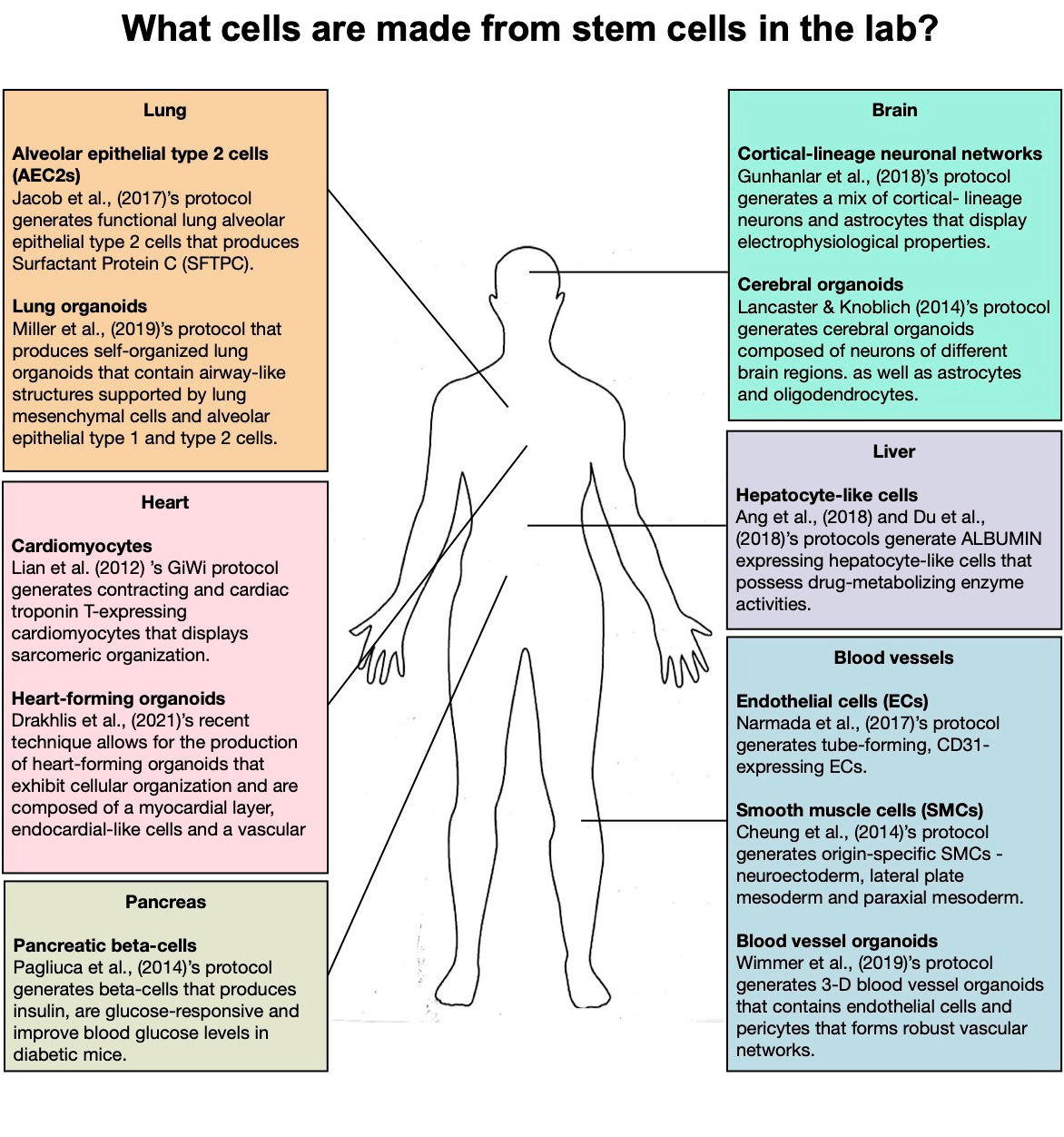
Ever since the discovery of pluripotent stem cells (PSCs) more than 50 years ago and the isolation of the first-ever human embryonic stem cells (hESCs) about 20 years back, great advances have been made in the field of stem cell research. This has prompted the concept of directed differentiation, which now allows PSCs to be transformed into different tissue-specific cell types in vitro by carefully guiding and directing cells to adopt various cellular identities.

The transformation of the cells is usually done directly by either introducing specific transcription factors to PSCs, or indirectly by manipulating an amalgamation of signaling pathways that govern the expression of these transcription factors (by way of small molecules or signaling proteins). Regardless of the technique, the outcome is to faithfully recapitulate the complexities of in vivo development to drive PSCs to develop and differentiate into different cell fates.

Because PSCs are able to self-renew, they can expand and proliferate while maintaining pluripotency. This allows the ability to continuously differentiate and produce large quantities of different cell types, opening up doors to cellular transplantation therapies for the treatment of chronic diseases.

What cells can be made from stem cells in the lab? The last decade has seen an explosion of research that focuses on formulating strategies to direct differentiation of PSCs to all kinds of tissue cell types – from neurons to pancreatic beta cells, and even liver cells. One of the most common methodologies used is to perform step-wise differentiation where PSCs are directed to follow a certain developmental trajectory one stage at a time.


Brain

To create functional and mature neurons from human PSCs (hPSCs), hPSCs must first be differentiated into the neuroectoderm lineage and neural progenitor cells (NPCs). This can be achieved by an efficient and simple dual SMAD inhibition method described by Chambers et al. in 2009 [1]. NPCs can then be directed to develop into specific neurons through different combinations of signals [2,3]. At the end of the process, the differentiated neurons will express neuronal markers such as TUJ1 and MAP2 and some PSC-derived neurons can even produce electrophysiological responses [4]. Gunhanlar et al. (2018) described a method to differentiate induced human PSCs (iPSCs) into cortical-lineage neuronal network composed of both neurons and astrocytes that originate from a common forebrain neural progenitor [5]. The differentiated neurons display mature electrophysiological properties just like neurons in the body, such as resting membrane potential and action potential. Researchers have also devised a method to generate ‘mini-brains’ from PSCs. A protocol described by Lancaster & Knoblich (2014) differentiates hPSCs in a step-wise fashion into cerebral organoids that exhibit spatial organization (like the brain) and stains for brain regions such as forebrain, choroid plexus, and hippocampus [6].


Lungs

Jacob et al.’s (2017) protocol allows for the generation of functional lung alveolar epithelial type 2 (AT2) cells that produce Surfactant Protein C (STPC), a hydrophobic surfactant protein that is produced specifically by AT2 cells [7]. In 3D cultures, these cells are even able to form monolayered epithelial ‘alveolospheres’. Miller et al. (2019) published a method on generating lung organoids from hPSCs by first patterning hPSCs to ventral-foregut spheroids and then to human lung organoids [8]. At the end of the differentiation process, the lung organoids contain structures resembling bronchi surrounded by mesenchymal cells and both AT1 and AT2 cells.


Heart

One of the popular protocols to generate cardiomyocytes from hPSCs is known as the ‘GiWi’ protocol because it involves the temporal modulation of the Wnt signaling pathway by first, inhibiting glycogen synthase kinase 3 “(GSK-3), followed by WNT. This simple protocol drives cardiac differentiation and is able to produce up to 98% pure functional cardiomyocytes that express cardiac troponin-T (an essential protein for cardiomyocytes to contract) and display sarcomeric organization.


Infographic Credit: Nicole Pek


Liver

There are numerous protocols available today to differentiate hPSCs into hepatocytes. Ang et al. (2018) and Du et al. (2018) both describe similar strategies to obtain hepatocytes from hPSCs by first driving differentiation into the definitive endoderm lineage, then to hepatic progenitors, and finally to hepatocyte-like cells [9,10]. The differentiated cells express key marker Albumin, an essential protein made by the liver, as well as Carbamoyl-phosphate synthase (CPS1), and Alpha-1 antitrypsin (AAT). These cells were also shown to possess drug metabolism enzyme activities.


Pancreas

Pagliuca et al. (2014) reported on a 3D-based method to derive insulin-producing pancreatic beta-cells from hPSCs [11] . This highly-cited protocol also utilizes the step-wise differentiation strategy where hPSCs were patterned into the definitive endoderm lineage, followed by further differentiation into pancreatic progenitors which are subsequently matured into pancreatic beta-cells. These cells were shown to respond to glucose stimulation, resemble human islet beta-cells and reverse hyperglycemia in mice models of diabetes.


Blood Vessels

Blood vessels are composed of vascular endothelial cells (ECs) and vascular smooth muscle cells (SMCs). There are protocols describing methods to generate both vascular cell types from hPSCs. For example, Narmada et al. (2017) described a method to differentiate ECs from hPSCs by directing cells into the mesodermal lineage under hypoxic conditions [12]. After differentiation, CD31-expressing ECs were purified. These cells are able to form tube-like structures in vitro. While the method generates a more generalized type of ECs, Rosa et al. (2019) recently reported on a method to produce specific subtypes of ECs, namely arterial and venous ECs (from arteries and veins respectively, which are distinct from one another [13]. These differentiated cells display mechanical properties similar to blood vessels.

In 2014, Cheung et al. described a comprehensive approach to generate embryonic origin-specific SMCs from hPSCs in a step-wise fashion, under chemically-defined conditions [14]. hPSCs were first directed into three different lineages – neuroectoderm, lateral plate mesoderm, and paraxial mesoderm. Then, these early precursors were further differentiated into contractile SMCs, thus resulting in the production of lineage-specific SMC subtypes that have different identities and are functionally unique. This is important in the context of disease modeling or even transplantation therapies where the appropriate SMC subtype should be used i.e. for neuroectoderm-SMCs should be used to study/ treat stroke.

Lastly, recently, Wimmer et al (2019) described a method to produce self-organizing human blood vessel organoids from hPSCs cardiac trophonin-T [15]. The organoids contain ECs and pericytes that form well-defined capillary networks enveloped by basement membrane. Post-transplantation, these organoids were also able to engraft into the host animal and form stable, mature, and perfusable vascular networks that are composed of arteries and veins. The blood vessel organoids are able to mimic the structure and function of human blood vessels.


What’s Next

Now that the field of stem cell research has reached a significant milestone of establishing robust methods to produce different cells from PSCs in vitro, the next steps are to improve the efficiencies of these methods to increase the purity of differentiated cells. This is critical in ensuring that the PSC-derived cells will be safe and suitable sources of cells for transplantation therapies.


About the Author:

Nicole Pek is a
stem cell biologist and enthusiastic science communicator. She has worked on using human pluripotent stem cells
to study cellular development in multiple organ systems, to model complex human diseases, and screen for therapeutics that could treat the diseases. Outside of the lab, Nicole plays a pro-active role in communicating to the public through her science blog ‘Two Cells’ and her education podcast ‘The Diploid Duo’.


Suggested Content:

The Case for Investing in Regenerative Medicine in 2021

Scientists now Better Understand Viral Mutations


Preventing the Immune System from Rejecting Gene Therapy

Type 1 Diabetes, Beginning of the End – Close to a Cure (Video)


References


1. Chambers SM, Fasano CA, Papapetrou EP et al. Highly efficient neural conversion of human ES and iPS cells by dual inhibition of SMAD signaling. Nat
Biotechnol
2009;27:275–80.

2. Li Y, Liu M, Yan Y et al. Neural differentiation from pluripotent stem cells: The role of natural and synthetic extracellular matrix. World J Stem Cells 2014;6:11–23.

3. Hong YJ, Do JT. Neural Lineage Differentiation From Pluripotent Stem Cells to Mimic Human Brain Tissues. Front
Bioeng Biotechnol
2019;7, DOI: 10.3389/fbioe.2019.00400.

4. Zhang Y, Pak C, Han Y et al. Rapid single-step induction of functional neurons from human pluripotent stem cells. Neuron 2013;
78:785–98.

5. Gunhanlar N, Shpak G, van der Kroeg M et
al.
A simplified protocol for differentiation of electrophysiologically mature neuronal networks from human induced pluripotent stem cells. Mol
Psychiatry
2018;23:1336–44.

6. Lancaster MA, Knoblich JA. Generation of Cerebral Organoids from Human Pluripotent Stem Cells. Nat Protoc 2014;9:2329–40.

7. Jacob A, Morley M, Hawkins F et al. Differentiation of Human Pluripotent Stem Cells into Functional Lung Alveolar Epithelial Cells. Cell Stem Cell 2017;21:472-488.e10.

8. Miller AJ, Dye BR, Ferrer-Torres D et al. Generation of lung organoids from human pluripotent stem cells in vitro. Nat
Protoc
2019;14:518–40.

9. Ang LT, Tan AKY, Autio MI et al. A Roadmap for Human Liver Differentiation from Pluripotent Stem Cells. Cell
Rep
2018;22:2190–205.

10. Du C, Feng Y, Qiu D et al. Highly efficient and expedited hepatic differentiation from human pluripotent stem cells by pure small-molecule cocktails. Stem Cell Res Ther 2018;9:58.

11. Pagliuca FW, Millman JR, Gürtler M et
al.
Generation of functional human pancreatic ? cells in vitro. Cell 2014;
159:428–39.

12. Narmada BC, Goh YT, Li H et al. Human Stem Cell?Derived Endothelial?Hepatic Platform for Efficacy Testing of Vascular?Protective Metabolites from Nutraceuticals. Stem Cells Transl Med 2017;
6:851–63.

13. Rosa S, Praça C, Pitrez PR et al. Functional characterization of iPSC-derived arterial- and venous-like endothelial cells. Sci Rep 2019;9:3826.

14. Cheung C, Bernardo AS, Pedersen RA et
al.
Directed differentiation of embryonic origin-specific vascular smooth muscle subtypes from human pluripotent stem cells. Nat Protoc 2014;9:929–38.

15. Wimmer RA, Leopoldi A, Aichinger M et
al.
Human blood vessel organoids as a model of diabetic vasculopathy. Nature 2019;565:505–10.


Stay up to date. Follow us:


Stay up to date. Follow us:

Release – The Sun Sentinel Names TherapeuticsMD, Inc. a Winner of the South Florida Top Workplaces 2021 Award


The Sun Sentinel Names TherapeuticsMD, Inc. a Winner of the South Florida Top Workplaces 2021 Award


BOCA RATON, Fla.–(BUSINESS WIRE)–May 24, 2021– 
TherapeuticsMD, Inc. (NASDAQ: TXMD), has been awarded a Top Workplaces 2021 honor by 
The Sun Sentinel. The list is based solely on employee feedback gathered through a third-party survey administered by employee engagement technology partner Energage, LLC. The anonymous survey uniquely measures 15 culture drivers that are critical to the success of any organization including alignment, execution, and connection.

“During this very challenging time, Top Workplaces has proven to be a beacon of light for organizations, as well as a sign of resiliency and strong business performance,” said  Eric Rubino, Energage CEO. “When you give your employees a voice, you come together to navigate challenges and shape your path forward. Top Workplaces draw on real-time insights into what works best for their organization, so they can make informed decisions that have a positive impact on their people and their business.”

“I’m incredibly proud of the employees in the 
TherapeuticsMD family. Winning this amazing award is a testament to the culture we have built and maintain– entrepreneurial, respectful, focused on success, and dedicated to our mission of advancing women’s health and improving therapeutic options for women,” said  Robert G. Finizio, Chief Executive Officer of 
TherapeuticsMD. “Getting through these difficult pandemic months has made us all appreciate the value of working with purpose and working together to create a great future for our organization.”

About TherapeuticsMD, Inc.

TherapeuticsMD, Inc. is an innovative, leading healthcare company, focused on developing and commercializing novel products exclusively for women. Our products are designed to address the unique changes and challenges women experience through the various stages of their lives with a therapeutic focus in family planning, reproductive health, and menopause management. The company is committed to advancing the health of women and championing awareness of their healthcare issues. To learn more about 
TherapeuticsMD, please visit therapeuticsmd.com or follow us on Twitter: @TherapeuticsMD and on Facebook: 
TherapeuticsMD.

About Energage

Making the world a better place to work together.™

Energage is a purpose-driven company that helps organizations turn employee feedback into useful business intelligence and credible employer recognition through Top Workplaces. Built on 14 years of culture research and the results from 23 million employees surveyed across more than 70,000 organizations, Energage delivers the most accurate competitive benchmark available. With access to a unique combination of patented analytic tools and expert guidance, Energage customers lead the competition with an engaged workforce and an opportunity to gain recognition for their people-first approach to culture. For more information or to nominate your organization, visit energage.com or topworkplaces.com.

Forward-Looking Statements

This press release by 
TherapeuticsMD, Inc. may contain forward-looking statements. Forward-looking statements may include, but are not limited to, statements relating to TherapeuticsMD’s objectives, plans and strategies as well as statements, other than historical facts, that address activities, events or developments that the company intends, expects, projects, believes or anticipates will or may occur in the future. These statements are often characterized by terminology such as “believes,” “hopes,” “may,” “anticipates,” “should,” “intends,” “plans,” “will,” “expects,” “estimates,” “projects,” “positioned,” “strategy” and similar expressions and are based on assumptions and assessments made in light of management’s experience and perception of historical trends, current conditions, expected future developments and other factors believed to be appropriate. Forward-looking statements in this press release are made as of the date of this press release, and the company undertakes no duty to update or revise any such statements, whether as a result of new information, future events or otherwise. Forward-looking statements are not guarantees of future performance and are subject to risks and uncertainties, many of which are outside of the company’s control. Important factors that could cause actual results, developments and business decisions to differ materially from forward-looking statements are described in the sections titled “Risk Factors” in the company’s filings with the 
Securities and Exchange Commission, including its most recent Annual Report on Form 10-K and Quarterly Reports on Form 10-Q, as well as reports on Form 8-K, and include the following: the effects of the COVID-19 pandemic; the company’s ability to maintain or increase sales of its products; the company’s ability to develop and commercialize IMVEXXY®, ANNOVERA®, and BIJUVA® and obtain additional financing necessary therefor; whether the company will be able to comply with the covenants and conditions under its term loan facility; whether the company will be able to successfully divest its vitaCare business and how the proceeds that may be generated by any such divestiture will be utilized; the potential of adverse side effects or other safety risks that could adversely affect the commercialization of the company’s current or future approved products or preclude the approval of the company’s future drug candidates; whether the FDA will approve the lower dose of BIJUVA; the company’s ability to protect its intellectual property, including with respect to the Paragraph IV notice letters the company received regarding IMVEXXY and BIJUVA; the length, cost and uncertain results of future clinical trials; the company’s reliance on third parties to conduct its manufacturing, research and development and clinical trials; the ability of the company’s licensees to commercialize and distribute the company’s products; the ability of the company’s marketing contractors to market ANNOVERA; the availability of reimbursement from government authorities and health insurance companies for the company’s products; the impact of product liability lawsuits; the influence of extensive and costly government regulation; the volatility of the trading price of the company’s common stock and the concentration of power in its stock ownership.

Investor Contacts
Nichol Ochsner
Vice President, Investor Relations
561-961-1900, ext. 2088
Nochsner@TherapeuticsMD.com

In-Site Communications, Inc.
Lisa M. Wilson
212-452-2793
lwilson@insitecony.com

Media Contact
Kristen Landon
Vice President, 
Marketing and Corporate Communications
561-961-1900
Klandon@therapeuticsmd.com

Source: 
TherapeuticsMD, Inc.