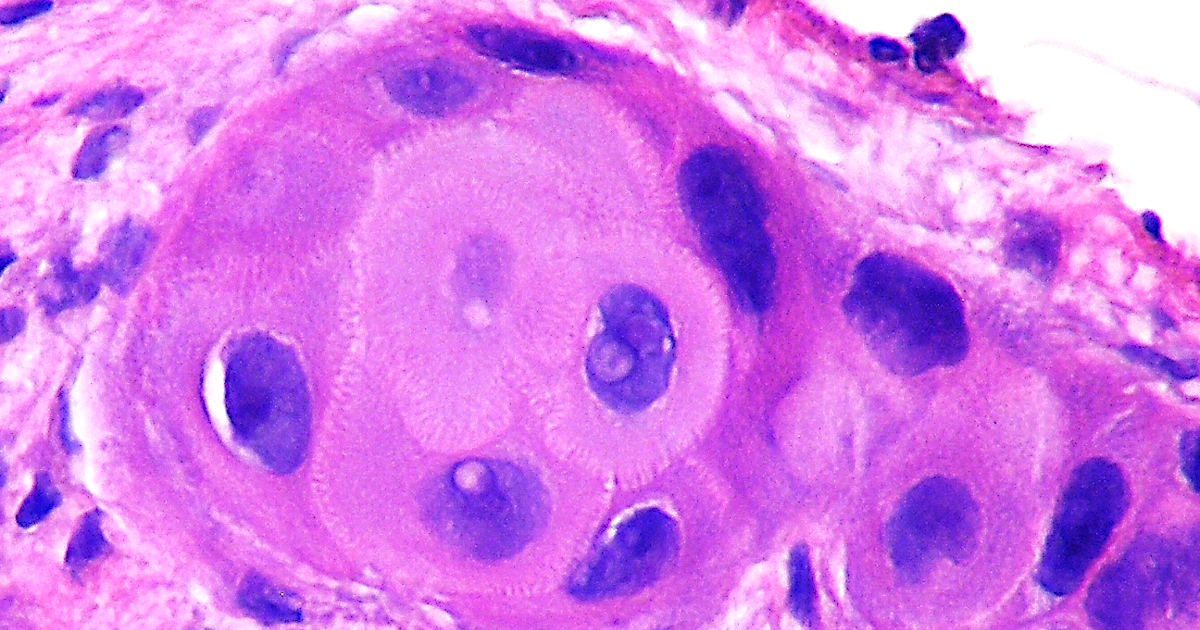

Attacking Tumors by Returning Cancer Cells to the Body


Immunotherapy to Treat Cancer May Involve Placing Cancer Cells in the Body


Anne
Trafton
 | MIT News Office

Immunotherapy is a promising strategy to treat cancer by stimulating the body’s own immune system to destroy tumor cells, but it only works for a handful of cancers. MIT researchers have now discovered a new way to jump-start the immune system to attack tumors, which they hope could allow immunotherapy to be used against more types of cancer.

Their novel approach involves removing tumor cells from the body, treating them with chemotherapy drugs, and then placing them back in the tumor. When delivered along with drugs that activate T cells, these injured cancer cells appear to act as a distress signal that spurs the T cells into action.

“When you create cells that have DNA damage but are not killed, under certain conditions those live, injured cells can send a signal that awakens the immune system,” says Michael Yaffe, who is a David H. Koch Professor of Science, the director of the MIT Center for Precision Cancer Medicine, and a member of MIT’s Koch Institute for Integrative Cancer Research.

In mouse studies, the researchers found that this treatment could completely eliminate tumors in nearly half of the mice.

Yaffe and Darrell Irvine, who is the Underwood-Prescott Professor with appointments in MIT’s departments of Biological Engineering and Materials Science and Engineering, and an associate director of the Koch Institute, are the senior authors of the study, which appears today in Science Signaling. MIT postdoc Ganapathy Sriram and Lauren Milling PhD ’21 are the lead authors of the paper.

T Cell Activation

One class of drugs currently used for cancer immunotherapy is checkpoint blockade inhibitors, which take the brakes off of T cells that have become “exhausted” and unable to attack tumors. These drugs have shown success in treating a few types of cancer but do not work against many others.

Yaffe and his colleagues set out to try to improve the performance of these drugs by combining them with cytotoxic chemotherapy drugs, in hopes that the chemotherapy could help stimulate the immune system to kill tumor cells. This approach is based on a phenomenon known as immunogenic cell death, in which dead or dying tumor cells send signals that attract the immune system’s attention.

Several clinical trials combining chemotherapy and immunotherapy drugs are underway, but little is known so far about the best way to combine these two types of treatment.

The MIT team began by treating cancer cells with several different chemotherapy drugs, at different doses. Twenty-four hours after the treatment, the researchers added dendritic cells to each dish, followed 24 hours later by T cells. Then, they measured how well the T cells were able to kill the cancer cells. To their surprise, they found that most of the chemotherapy drugs didn’t help very much. And those that did help appeared to work best at low doses that didn’t kill many cells.

The researchers later realized why this was so: It wasn’t dead tumor cells that were stimulating the immune system; instead, the critical factor was cells that were injured by chemotherapy but still alive.

“This describes a new concept of immunogenic cell injury rather than immunogenic cell death for cancer treatment,” Yaffe says. “We showed that if you treated tumor cells in a dish, when you injected them back directly into the tumor and gave checkpoint blockade inhibitors, the live, injured cells were the ones that reawaken the immune system.”

The drugs that appear to work best with this approach are drugs that cause DNA damage. The researchers found that when DNA damage occurs in tumor cells, it activates cellular pathways that respond to stress. These pathways send out distress signals that provoke T cells to leap into action and destroy not only those injured cells but any tumor cells nearby.

“Our findings fit perfectly with the concept that ‘danger signals’ within cells can talk to the immune system, a theory pioneered by Polly Matzinger at NIH in the 1990s, though still not universally accepted,” Yaffe says.  

Tumor Elimination

In studies of mice with melanoma and breast tumors, the researchers showed that this treatment eliminated tumors completely in 40 percent of the mice. Furthermore, when the researchers injected cancer cells into these same mice several months later, their T cells recognized them and destroyed them before they could form new tumors.

The researchers also tried injecting DNA-damaging drugs directly into the tumors, instead of treating cells outside the body, but they found this was not effective because the chemotherapy drugs also harmed T cells and other immune cells near the tumor. Also, injecting the injured cells without checkpoint blockade inhibitors had little effect.

“You have to present something that can act as an immunostimulant, but then you also have to release the preexisting block on the immune cells,” Yaffe says.

Yaffe hopes to test this approach in patients whose tumors have not responded to immunotherapy, but more study is needed first to determine which drugs, and at which doses, would be most beneficial for different types of tumors. The researchers are also further investigating the details of exactly how the injured tumor cells stimulate such a strong T cell response.

Suggested Reading:



Measuring Cancer Cells to Tailor Treatments


Stem Cells Role in the Anti-Aging Business


Therapeutic Research Advanced by Stem Cell Science


Biologists Identify New Targets for Cancer Vaccines


Stay up to date. Follow us:


Helius Medical Technologies, Inc. Receives PoNS® Market Authorization in Australia


Helius Medical Technologies, Inc. Receives PoNS® Market Authorization in Australia


NEWTOWN, Pa., Nov. 04, 2021 (GLOBE NEWSWIRE) — Helius Medical Technologies, Inc. (Nasdaq:HSDT) (Helius or the Company), a neurotech company focused on neurological wellness, today announced it received market authorization from the Australian Therapeutic Goods Administration (TGA) for the sale of PoNS as a Class IIa medical device. The Company’s representative in Australia is working with the TGA to finalize the exact scope of the authorization, which is expected to cover the use of PoNS to improve balance and gait when used as an adjunct to a therapeutic exercise program.

“We are thrilled that we will be able to introduce this groundbreaking therapy for patients in Australia needing to improve their balance and gait,” said Dane C. Andreeff, President and Chief Executive Officer of Helius. “This marks the third country in which PoNS is authorized and further validates the effectiveness of our innovative PoNS therapy. We will begin evaluating the pathway toward commercialization in Australia once the scope of the authorization is finalized.”

About Helius Medical Technologies, Inc.

Helius Medical Technologies is a leading neurotech company in the medical device field focused on neurologic deficits using non-implantable platform technologies that amplify the brain’s ability to compensate and promotes neuroplasticity, aiming to improve the lives of people needing to improve their balance and gait. The Company’s first commercial product is the Portable Neuromodulation Stimulator (PoNS®). For more information, visit www.heliusmedical.com.

About the PoNS Device and PoNS Therapy

The Portable Neuromodulation Stimulator (PoNS) is an innovative non-surgical device, inclusive of a controller and mouthpiece, which delivers electrical stimulation to the surface of the tongue to improve balance and gait. The PoNS device is indicated for use in the United States as a short-term treatment of gait deficit due to mild-to-moderate symptoms from multiple sclerosis (“MS”) and is to be used as an adjunct to a supervised therapeutic exercise program in patients 22 years of age and over by prescription only. It is authorized for sale in Canada for two indications: (i) PoNS is authorized for use as a short term treatment (14 weeks) of chronic balance deficit due to mild-to-moderate traumatic brain injury (“mmTBI”) and is to be used in conjunction with physical therapy; and (ii) PoNS is authorized for use as a short term treatment (14 weeks) of gait deficit due to mild and moderate symptoms from MS and is to be used in conjunction with physical therapy.

Cautionary Disclaimer Statement

Certain statements in this news release are not based on historical facts and constitute forward-looking statements or forward-looking information within the meaning of the U.S. Private Securities Litigation Reform Act of 1995 and Canadian securities laws. All statements other than statements of historical fact included in this news release are forward-looking statements that involve risks and uncertainties. Forward-looking statements are often identified by terms such as “believe,” “continue,” “expect,” “will,” “goal,” “aim to” and similar expressions. Such forward-looking statements include, among others, statements regarding finalizing the exact scope of approval in Australia and the Company’s plans to begin evaluating the pathway toward commercialization in Australia.

There can be no assurance that such statements will prove to be accurate and actual results and future events could differ materially from those expressed or implied by such statements. Important factors that could cause actual results to differ materially from the Company’s expectations include uncertainties associated with the regulatory submission review and approval process, the clinical development process, the Company’s capital requirements to achieve its business objectives, availability of funds, the impact of the COVID-19 pandemic, manufacturing, labor shortage and supply chain risks, the Company’s ability to train physical therapists in the supervision of the use of the PoNS Treatment, the Company’s ability to secure contracts with rehabilitation clinics, the Company’s ability to build internal commercial infrastructure, build a commercial team and build relationships with Key Opinion Leaders, neurology experts and neurorehabilitation centers, market awareness of the PoNS device, future clinical trials, the product development process, other development activities, ongoing government regulation, and other risks detailed from time to time in the “Risk Factors” section of the Company’s filings with the United States Securities and Exchange Commission and the Canadian securities regulators, which can be obtained from either at www.sec.gov or www.sedar.com.

The reader is cautioned not to place undue reliance on any forward-looking statement. The forward-looking statements contained in this news release are made as of the date of this news release and the Company assumes no obligation to update any forward-looking statement or to update the reasons why actual results could differ from such statements except to the extent required by law.

Investor Relations Contact

Lisa M. Wilson, In-Site Communications, Inc.
T: 212-452-2793
E: [email protected]

Release – Ocugen to Host Conference Call on Tuesday November 9


Ocugen to Host Conference Call on Tuesday, November 9 at 8:30 a.m. ET to Discuss Third Quarter 2021 Financial Results and Provide Business Update


MALVERN, Pa., Nov. 02, 2021 (GLOBE NEWSWIRE) — Ocugen, Inc. (NASDAQ: OCGN), a biopharmaceutical company focused on discovering, developing, and commercializing gene therapies to cure blindness diseases and developing a vaccine to save lives from COVID-19, today announced that it will host a conference call to discuss its third quarter 2021 financial results and provide a business update at 8:30 a.m. ET on Tuesday, November 9, 2021.

Ocugen will issue a pre-market earnings announcement on the same day. Investors are invited to participate on the call using the following details:

  • Dial-In Number: (844) 873-7330 (U.S.) or (602) 563-8473 (international)
  • Conference ID: 8198297
  • Webcast: Available in the “Investors” section of the Ocugen website and archived for approximately 45 days following the call

About Ocugen, Inc.
Ocugen, Inc. is a biopharmaceutical company focused on discovering, developing, and commercializing gene therapies to cure blindness diseases and developing a vaccine to save lives from COVID-19. Our breakthrough modifier gene therapy platform has the potential to treat multiple retinal diseases with one drug – “one to many” and our novel biologic product candidate aims to offer better therapy to patients with underserved diseases such as wet age-related macular degeneration, diabetic macular edema, and diabetic retinopathy. We are co-developing Bharat Biotech’s COVAXIN™ vaccine candidate for COVID-19 in the U.S. and Canadian markets. For more information, please visit www.ocugen.com.

Cautionary Note on Forward-Looking Statements
This press release contains forward-looking statements within the meaning of The Private Securities Litigation Reform Act of 1995, which are subject to risks and uncertainties. Such forward-looking statements within this press release include, without limitation, the intended use of net proceeds from the registered direct offering. We may, in some cases, use terms such as “predicts,” “believes,” “potential,” “proposed,” “continue,” “estimates,” “anticipates,” “expects,” “plans,” “intends,” “may,” “could,” “might,” “will,” “should” or other words that convey uncertainty of future events or outcomes to identify these forward-looking statements. Such statements are subject to numerous important factors, risks and uncertainties that may cause actual events or results to differ materially from our current expectations, such as market and other conditions. These and other risks and uncertainties are more fully described in our periodic filings with the Securities and Exchange Commission (the “SEC”), including the risk factors described in the section entitled “Risk Factors” in the quarterly and annual reports that we file with the SEC. Any forward-looking statements that we make in this press release speak only as of the date of this press release. Except as required by law, we assume no obligation to update forward-looking statements contained in this press release whether as a result of new information, future events or otherwise, after the date of this press release.

Ocugen Contact: 
Ken Inchausti
Head, Investor Relations & Communications
[email protected] 

Please submit investor-related inquiries to: [email protected]

Release – Lineage Cell Therapeutics To Report Third Quarter 2021 Financial Results And Provide Business Update On November 10 2021


Lineage Cell Therapeutics To Report Third Quarter 2021 Financial Results And Provide Business Update On November 10, 2021


CARLSBAD, Calif.–(BUSINESS WIRE)–Nov. 3, 2021– 

Lineage Cell Therapeutics, Inc.
 (NYSE American and TASE: LCTX), a clinical-stage biotechnology company developing allogeneic cell therapies for unmet medical needs, today announced that it will report its third quarter 2021 financial and operating results on 
Wednesday, November 10, 2021, following the close of the 
U.S. financial markets. Lineage management will also host a conference call and webcast on 
Wednesday, November 10, 2021, at 
4:30 p.m. Eastern Time/
1:30 p.m. Pacific Time to discuss its third quarter 2021 financial and operating results and to provide a business update.

Interested parties may access the conference call by dialing (866) 888-8633 from the 
U.S. and 
Canada and (636) 812-6629 from elsewhere outside the 
U.S. and 
Canada and should request the “Lineage Cell Therapeutics Call”. A live webcast of the conference call will be available online in the Investors section of Lineage’s website. A replay of the webcast will be available on Lineage’s website for 30 days and a telephone replay will be available through 
November 18, 2021, by dialing (855) 859-2056 from the 
U.S. and 
Canada and (404) 537-3406 from elsewhere outside the 
U.S. and 
Canada and entering conference ID number 9352189.

About Lineage Cell Therapeutics, Inc.

Lineage Cell Therapeutics is a clinical-stage biotechnology company developing novel cell therapies for unmet medical needs. Lineage’s programs are based on its robust proprietary cell-based therapy platform and associated in-house development and manufacturing capabilities. With this platform Lineage develops and manufactures specialized, terminally differentiated human cells from its pluripotent and progenitor cell starting materials. These differentiated cells are developed to either replace or support cells that are dysfunctional or absent due to degenerative disease or traumatic injury or administered as a means of helping the body mount an effective immune response to cancer. Lineage’s clinical programs are in markets with billion dollar opportunities and include three allogeneic (“off-the-shelf”) product candidates: (i) OpRegen®, a retinal pigment epithelium transplant therapy in Phase 1/2a development for the treatment of dry age-related macular degeneration, a leading cause of blindness in the developed world; (ii) OPC1, an oligodendrocyte progenitor cell therapy in Phase 1/2a development for the treatment of acute spinal cord injuries; and (iii) VAC2, an allogeneic dendritic cell therapy produced from Lineage’s VAC technology platform for immuno-oncology and infectious disease, currently in Phase 1 clinical development for the treatment of non-small cell lung cancer. For more information, please visit www.lineagecell.com or follow the Company on Twitter @LineageCell.

Lineage Cell Therapeutics, Inc. IR
Ioana C. Hone
([email protected])
(442) 287-8963

Solebury Trout IR
Mike Biega
([email protected])
(617) 221-9660

Russo Partners – Media Relations
Nic Johnson or  David Schull
[email protected]
[email protected]
(212) 845-4242

Source: 
Lineage Cell Therapeutics, Inc.

Lineage Cell Therapeutics To Report Third Quarter 2021 Financial Results And Provide Business Update On November 10, 2021


Lineage Cell Therapeutics To Report Third Quarter 2021 Financial Results And Provide Business Update On November 10, 2021


CARLSBAD, Calif.–(BUSINESS WIRE)–Nov. 3, 2021– 

Lineage Cell Therapeutics, Inc.
 (NYSE American and TASE: LCTX), a clinical-stage biotechnology company developing allogeneic cell therapies for unmet medical needs, today announced that it will report its third quarter 2021 financial and operating results on 
Wednesday, November 10, 2021, following the close of the 
U.S. financial markets. Lineage management will also host a conference call and webcast on 
Wednesday, November 10, 2021, at 
4:30 p.m. Eastern Time/
1:30 p.m. Pacific Time to discuss its third quarter 2021 financial and operating results and to provide a business update.

Interested parties may access the conference call by dialing (866) 888-8633 from the 
U.S. and 
Canada and (636) 812-6629 from elsewhere outside the 
U.S. and 
Canada and should request the “Lineage Cell Therapeutics Call”. A live webcast of the conference call will be available online in the Investors section of Lineage’s website. A replay of the webcast will be available on Lineage’s website for 30 days and a telephone replay will be available through 
November 18, 2021, by dialing (855) 859-2056 from the 
U.S. and 
Canada and (404) 537-3406 from elsewhere outside the 
U.S. and 
Canada and entering conference ID number 9352189.

About Lineage Cell Therapeutics, Inc.

Lineage Cell Therapeutics is a clinical-stage biotechnology company developing novel cell therapies for unmet medical needs. Lineage’s programs are based on its robust proprietary cell-based therapy platform and associated in-house development and manufacturing capabilities. With this platform Lineage develops and manufactures specialized, terminally differentiated human cells from its pluripotent and progenitor cell starting materials. These differentiated cells are developed to either replace or support cells that are dysfunctional or absent due to degenerative disease or traumatic injury or administered as a means of helping the body mount an effective immune response to cancer. Lineage’s clinical programs are in markets with billion dollar opportunities and include three allogeneic (“off-the-shelf”) product candidates: (i) OpRegen®, a retinal pigment epithelium transplant therapy in Phase 1/2a development for the treatment of dry age-related macular degeneration, a leading cause of blindness in the developed world; (ii) OPC1, an oligodendrocyte progenitor cell therapy in Phase 1/2a development for the treatment of acute spinal cord injuries; and (iii) VAC2, an allogeneic dendritic cell therapy produced from Lineage’s VAC technology platform for immuno-oncology and infectious disease, currently in Phase 1 clinical development for the treatment of non-small cell lung cancer. For more information, please visit www.lineagecell.com or follow the Company on Twitter @LineageCell.

Lineage Cell Therapeutics, Inc. IR
Ioana C. Hone
([email protected])
(442) 287-8963

Solebury Trout IR
Mike Biega
([email protected])
(617) 221-9660

Russo Partners – Media Relations
Nic Johnson or  David Schull
[email protected]
[email protected]
(212) 845-4242

Source: 
Lineage Cell Therapeutics, Inc.

Ocugen to Host Conference Call on Tuesday, November 9 at 8:30 a.m. ET to Discuss Third Quarter 2021 Financial Results and Provide Business Update


Ocugen to Host Conference Call on Tuesday, November 9 at 8:30 a.m. ET to Discuss Third Quarter 2021 Financial Results and Provide Business Update


MALVERN, Pa., Nov. 02, 2021 (GLOBE NEWSWIRE) — Ocugen, Inc. (NASDAQ: OCGN), a biopharmaceutical company focused on discovering, developing, and commercializing gene therapies to cure blindness diseases and developing a vaccine to save lives from COVID-19, today announced that it will host a conference call to discuss its third quarter 2021 financial results and provide a business update at 8:30 a.m. ET on Tuesday, November 9, 2021.

Ocugen will issue a pre-market earnings announcement on the same day. Investors are invited to participate on the call using the following details:

  • Dial-In Number: (844) 873-7330 (U.S.) or (602) 563-8473 (international)
  • Conference ID: 8198297
  • Webcast: Available in the “Investors” section of the Ocugen website and archived for approximately 45 days following the call

About Ocugen, Inc.
Ocugen, Inc. is a biopharmaceutical company focused on discovering, developing, and commercializing gene therapies to cure blindness diseases and developing a vaccine to save lives from COVID-19. Our breakthrough modifier gene therapy platform has the potential to treat multiple retinal diseases with one drug – “one to many” and our novel biologic product candidate aims to offer better therapy to patients with underserved diseases such as wet age-related macular degeneration, diabetic macular edema, and diabetic retinopathy. We are co-developing Bharat Biotech’s COVAXIN™ vaccine candidate for COVID-19 in the U.S. and Canadian markets. For more information, please visit www.ocugen.com.

Cautionary Note on Forward-Looking Statements
This press release contains forward-looking statements within the meaning of The Private Securities Litigation Reform Act of 1995, which are subject to risks and uncertainties. Such forward-looking statements within this press release include, without limitation, the intended use of net proceeds from the registered direct offering. We may, in some cases, use terms such as “predicts,” “believes,” “potential,” “proposed,” “continue,” “estimates,” “anticipates,” “expects,” “plans,” “intends,” “may,” “could,” “might,” “will,” “should” or other words that convey uncertainty of future events or outcomes to identify these forward-looking statements. Such statements are subject to numerous important factors, risks and uncertainties that may cause actual events or results to differ materially from our current expectations, such as market and other conditions. These and other risks and uncertainties are more fully described in our periodic filings with the Securities and Exchange Commission (the “SEC”), including the risk factors described in the section entitled “Risk Factors” in the quarterly and annual reports that we file with the SEC. Any forward-looking statements that we make in this press release speak only as of the date of this press release. Except as required by law, we assume no obligation to update forward-looking statements contained in this press release whether as a result of new information, future events or otherwise, after the date of this press release.

Ocugen Contact: 
Ken Inchausti
Head, Investor Relations & Communications
[email protected] 

Please submit investor-related inquiries to: [email protected]

Release – Cocrystal Pharma Submits Pre-Investigational New Drug Briefing Package to the FDA


Cocrystal Pharma Submits Pre-Investigational New Drug Briefing Package to the FDA for Clinical Development Guidance of CDI-45205 for COVID-19 Treatment


FDA’s response is expected to provide greater clarity and guidance on designing Phase 1 and Phase 2 clinical trials for CDI-45205

BOTHELL, Wash., Nov. 01, 2021 (GLOBE NEWSWIRE) — Cocrystal Pharma, Inc. (Nasdaq: COCP) (“Cocrystal” or the “Company”) announces the submission of a pre-Investigational New Drug (IND) briefing package to the U.S. Food and Drug Administration (FDA) for its broad-spectrum protease inhibitor CDI-45205 for the treatment of patients with COVID-19.

“The pre-IND submission is a critical step to obtain the FDA’s guidance on preclinical studies, manufacturing, toxicology, and clinical development plans for CDI-45205. We look forward to our communication with the FDA and advancing toward Phase 1 and Phase 2 clinical trials to address the unmet needs of patients and to contribute to global efforts to end this pandemic,” said Sam Lee, Ph.D., Cocrystal’s co-interim CEO and President.

“As with all of our antiviral candidates, we are exploring multiple routes of administration including oral, inhalation, and injection,” added Dr. Lee. “We anticipate that CDI-45205 is best suited for intranasal/pulmonary administration based on its novel mechanism of action and pharmacokinetic profile, with this route having the advantage of direct delivery to the respiratory system, a primary infection site for SARS-CoV-2. We are also advancing preclinical studies with our novel oral COVID-19 protease inhibitors developed using our proprietary structure-based drug discovery technology, and are very excited about potential multiple treatment options for COVID-19.”

“A number of drugs are being developed as COVID-19 treatments that were originally designed for other indications. These repurposed drugs or drug candidates are a good start for humanity, but likely not the best-in-class solution that will end the pandemic,” said James Martin, Cocrystal’s co-interim CEO and CFO. “Our drug candidates are specifically designed to target the viral replication enzymes and protease, which we believe makes it possible to develop effective treatments for COVID-19 and its variants.”

About CDI-45205

CDI-45205 is among a group of protease inhibitors obtained under an exclusive license agreement with Kansas State University Research Foundation (KSURF) in 2020. CDI-45205 and several analogs showed potent in vitro activity against the SARS-CoV-2 Delta (India/B.1.617.2), Gamma (Brazil/P.1), Alpha (United Kingdom/B.1.1.7) and Beta (South African/B.1.351) variants, surpassing the activity observed with the original Wuhan strain. CDI-45205 has also shown good bioavailability in mouse and rat pharmacokinetic studies via intraperitoneal injection, and no cytotoxicity against a variety of human cell lines. Preclinical research demonstrated a strong synergistic effect with the FDA-approved COVID-19 medicine remdesivir. Additionally, a proof-of-concept animal study demonstrated that daily injection of CDI-45205 exhibited favorable in vivo efficacy in MERS-CoV-2 infected mice.

About Cocrystal Pharma, Inc.

Cocrystal Pharma, Inc. is a clinical-stage biotechnology company discovering and developing novel antiviral therapeutics that target the replication process of coronaviruses (including SARS-CoV-2), influenza viruses, hepatitis C virus and noroviruses. Cocrystal employs unique structure-based technologies and Nobel Prize-winning expertise to create first- and best-in-class antiviral drugs. For further information about Cocrystal, please visit www.cocrystalpharma.com.

Cautionary Note Regarding Forward-Looking Statements

This press release contains forward-looking statements within the meaning of the Private Securities Litigation Reform Act of 1995, including statements regarding the FDA’s response to our recent submission for CDI-45205, the ability to develop and efficacy of potential treatments against COVID-19 and advance our product candidates into clinical trials, and our strategy with respect to clinical development. The words “believe,” “may,” “estimate,” “continue,” “anticipate,” “intend,” “should,” “plan,” “could,” “target,” “potential,” “is likely,” “will,” “expect” and similar expressions, as they relate to us, are intended to identify forward-looking statements. We have based these forward-looking statements largely on our current expectations and projections about future events. Some or all of the events anticipated by these forward-looking statements may not occur. Important factors that could cause actual results to differ from those in the forward-looking statements include, but are not limited to, the risks and uncertainties arising from the impact of the COVID-19 pandemic on the national and global economy, on our collaboration partners, CROs, CMOs, and on our Company, including manufacturing and research delays arising from raw material and test animal shortages and other supply chain disruptions, potential delays related to the FDA’s review of our submissions, receipt of regulatory approvals, the results of any future clinical trials, general risks arising from clinical trials, regulatory changes, and development of effective treatments and/or vaccines by competitors, including as part of the programs financed by the U.S. government. Further information on our risk factors is contained in our filings with the SEC, including our Annual Report on Form 10-K for the year ended December 31, 2020. Any forward-looking statement made by us herein speaks only as of the date on which it is made. Factors or events that could cause our actual results to differ may emerge from time to time, and it is not possible for us to predict all of them. We undertake no obligation to publicly update any forward-looking statement, whether as a result of new information, future developments or otherwise, except as may be required by law.

Investor Contact:
LHA Investor Relations
Jody Cain
310-691-7100
[email protected]

Source: Cocrystal Pharma, Inc.

Release – Helius Medical Technologies Inc. to Release Third Quarter 2021 Financial Results on November 10 2021


Helius Medical Technologies, Inc. to Release Third Quarter 2021 Financial Results on November 10, 2021


NEWTOWN, Pa., Nov. 01, 2021 (GLOBE NEWSWIRE) — Helius Medical Technologies, Inc. (NASDAQ: HSDT) (“Helius” or the “Company”), a neurotech company focused on neurological wellness, today announced that the Company will release its third quarter 2021 financial results on Wednesday, November 10, 2021, after the market closes.

Dane C. Andreeff, President and Chief Executive Officer, and Jeffrey S. Mathiesen, Chief Financial Officer, will host a conference call to discuss the results and provide a business update as follows:

Date:   Wednesday, November 10, 2021
Time:   5:00 p.m. Eastern Time
Toll free (U.S.):   (844) 348-4652
International:   (213) 358-0895
Conference ID:   9388362
Webcast:   https://edge.media-server.com/mmc/p/sbbrhapy
     

A replay of the call will be available for one week at (855) 859-2056 (U.S.) or (404) 537-3406 (international). The conference ID for the replay is 9388362. The webcast will be archived under the Newsroom section of the Company’s investor relations website.

About Helius Medical Technologies, Inc.

Helius Medical Technologies is a leading neurotech company in the medical device field focused on neurologic deficits using non-implantable platform technologies that amplify the brain’s ability to compensate and promote neuroplasticity, aiming to improve the lives of people dealing with neurologic diseases.

The Company’s first commercial product is the Portable Neuromodulation Stimulator (PoNS®). For more information, visit www.heliusmedical.com.

About the PoNS® Device and PoNS Therapy

The Portable Neuromodulation Stimulator (PoNS®) is an innovative non-surgical device, inclusive of a controller and mouthpiece, which delivers electrical stimulation to the surface of the tongue to provide treatment of gait deficit. The PoNS® device is indicated for use in the United States as a short-term treatment of gait deficit due to mild-to-moderate symptoms from multiple sclerosis (“MS”) and is to be used as an adjunct to a supervised therapeutic exercise program in patients 22 years of age and over by prescription only. It is authorized for sale in Canada as a class II, non-implantable, medical device intended as a short-term treatment (14 weeks) of gait deficit due to mild and moderate symptoms from MS, and chronic balance deficit due to mild-to-moderate traumatic brain injury (“mmTBI”) and is to be used in conjunction with physical therapy. The PoNS® is an investigational medical device in Australia (“AUS”) and is currently under premarket review by the AUS Therapeutic Goods Administration.

Investor Relations Contact:

Lisa M. Wilson, In-Site Communications, Inc.
T: 212-452-2793
E: [email protected]

Release – PDS Biotech Announces Agreement with University of Georgia to License Novel Proteins for Versamune-based Universal Flu Vaccine


PDS Biotech Announces Agreement with University of Georgia to License Novel Proteins for Versamune-based Universal Flu Vaccine


FLORHAM PARK, N.J., Nov. 01, 2021 (GLOBE NEWSWIRE) — PDS Biotechnology Corporation (Nasdaq: PDSB), a clinical-stage immunotherapy company developing novel cancer therapies and infectious disease vaccines based on the Company’s proprietary Versamune® T-cell activating technology, today announced an agreement to license COBRA (Computationally Optimized Broadly Reactive Antigen) antigens from the University of Georgia initially for use in the clinical development of its infectious disease immunotherapy pipeline, PDS0202, a universal flu vaccine candidate.

“Our new agreement with the University of Georgia demonstrates the versatility and potential of our Versamune® platform and advances our infectious disease pipeline,” commented PDS Biotech CEO, Frank Bedu-Addo. “There are four types of seasonal influenza viruses, and a universal flu vaccine would eliminate the need to manufacture a new seasonal flu vaccine each year by providing robust, long-lasting protection against multiple subtypes of flu. We believe this is the next step in the advancement of novel infectious disease vaccines to address the nearly one billion cases of influenza worldwide annually.”

Designed by renowned influenza expert, Dr. Ted Ross at the University of Georgia, the novel COBRA antigens are to be used in combination with Versamune® for PDS0202 for the universal prevention of infection by multiple strains of influenza virus. The antigens were selected following successful pre-clinical development work completed under a contract from the National Institute of Allergy and Infectious Diseases (NIAID), Collaborative Influenza Vaccine Innovation Centers (CIVICs) program to progress PDS0202 development. PDS0202 leverages Versamune®’s ability to induce the immune system to generate high levels of flu-specific neutralizing antibodies, CD4 helper and CD8 killer T-cells, as well as long-acting memory T-cells to potentially provide broad and long-term protection against multiple influenza strains. Influenza is estimated to result in about 3 to 5 million cases of severe illness and about 290,000 to 650,000 respiratory deaths globally each year.

“The preclinical results of the combination of COBRA antigens and Versamune® were impressive, especially given the unique problem in developing a universal flu vaccine,” added Dr. Ross. “Designing a vaccine that works for many influenza strains is the goal. We are excited to see how the PDS0202 – COBRA vaccine performs in human trials.” 

About PDS Biotechnology
PDS Biotech is a clinical-stage immunotherapy company developing a growing pipeline of cancer immunotherapies based on the Company’s proprietary Versamune® T-cell activating technology platform. Our Versamune®-based products have demonstrated the potential to overcome the limitations of current immunotherapy by inducing in vivo, large quantities of high-quality, highly potent polyfunctional tumor specific CD4+ helper and CD8+ killer T-cells. PDS Biotech has developed multiple therapies, based on combinations of Versamune® and disease-specific antigens, designed to train the immune system to better recognize diseased cells and effectively attack and destroy them. The company’s pipeline products address various cancers including breast, colon, lung, prostate and ovarian cancers. To learn more, please visit www.pdsbiotech.com or follow us on Twitter at @PDSBiotech.

Forward Looking Statements
This communication contains forward-looking statements (including within the meaning of Section 21E of the United States Securities Exchange Act of 1934, as amended, and Section 27A of the United States Securities Act of 1933, as amended) concerning PDS Biotechnology Corporation (the “Company”) and other matters. These statements may discuss goals, intentions and expectations as to future plans, trends, events, results of operations or financial condition, or otherwise, based on current beliefs of the Company’s management, as well as assumptions made by, and information currently available to, management. Forward-looking statements generally include statements that are predictive in nature and depend upon or refer to future events or conditions, and include words such as “may,” “will,” “should,” “would,” “expect,” “anticipate,” “plan,” “likely,” “believe,” “estimate,” “project,” “intend,” “forecast,” “guidance”, “outlook” and other similar expressions among others. Forward-looking statements are based on current beliefs and assumptions that are subject to risks and uncertainties and are not guarantees of future performance. Actual results could differ materially from those contained in any forward-looking statement as a result of various factors, including, without limitation: the Company’s ability to protect its intellectual property rights; the Company’s anticipated capital requirements, including the Company’s anticipated cash runway and the Company’s current expectations regarding its plans for future equity financings; the Company’s dependence on additional financing to fund its operations and complete the development and commercialization of its product candidates, and the risks that raising such additional capital may restrict the Company’s operations or require the Company to relinquish rights to the Company’s technologies or product candidates; the Company’s limited operating history in the Company’s current line of business, which makes it difficult to evaluate the Company’s prospects, the Company’s business plan or the likelihood of the Company’s successful implementation of such business plan; the timing for the Company or its partners to initiate the planned clinical trials for PDS0101, PDS0203 and other Versamune® based products; the future success of such trials; the successful implementation of the Company’s research and development programs and collaborations, including any collaboration studies concerning PDS0101, PDS0203 and other Versamune® based products and the Company’s or monitoring committees’ or other third parties’ interpretation of the results and findings of such programs and collaborations and whether such results are sufficient to support the future success of the Company’s product candidates; the success, timing and cost of the Company’s ongoing clinical trials and anticipated clinical trials for the Company’s current product candidates, including statements regarding the timing of initiation, pace of enrollment, significance of milestones, and completion of the trials (including our ability to fully fund our disclosed clinical trials, which assumes no material changes to our currently projected expenses), futility analyses, presentations at conferences and data reported in an abstract, and receipt of interim results, which are not necessarily indicative of the final results of the Company’s ongoing clinical trials; any Company statements about its understanding of product candidates mechanisms of action and interpretation of preclinical and early clinical results from its clinical development programs and any collaboration studies; the acceptance by the market of the Company’s product candidates, if approved; the timing of and the Company’s ability to obtain and maintain U.S. Food and Drug Administration or other regulatory authority approval of, or other action with respect to, the Company’s product candidates; and other factors, including legislative, regulatory, political and economic developments not within the Company’s control, including unforeseen circumstances or other disruptions to normal business operations arising from or related to COVID-19. The foregoing review of important factors that could cause actual events to differ from expectations should not be construed as exhaustive and should be read in conjunction with statements that are included herein and elsewhere, including the risk factors included in the Company’s annual and periodic reports filed with the SEC. The forward-looking statements are made only as of the date of this press release and, except as required by applicable law, the Company undertakes no obligation to revise or update any forward-looking statement, or to make any other forward-looking statements, whether as a result of new information, future events or otherwise.

Media & Investor Relations Contact:
Deanne Randolph
PDS Biotech
Phone: +1 (908) 517-3613
Email: [email protected]

Rich Cockrell
CG Capital
Phone: +1 (404) 736-3838
Email: [email protected]

PDS Biotech Announces Agreement with University of Georgia to License Novel Proteins for Versamune-based Universal Flu Vaccine


PDS Biotech Announces Agreement with University of Georgia to License Novel Proteins for Versamune-based Universal Flu Vaccine


FLORHAM PARK, N.J., Nov. 01, 2021 (GLOBE NEWSWIRE) — PDS Biotechnology Corporation (Nasdaq: PDSB), a clinical-stage immunotherapy company developing novel cancer therapies and infectious disease vaccines based on the Company’s proprietary Versamune® T-cell activating technology, today announced an agreement to license COBRA (Computationally Optimized Broadly Reactive Antigen) antigens from the University of Georgia initially for use in the clinical development of its infectious disease immunotherapy pipeline, PDS0202, a universal flu vaccine candidate.

“Our new agreement with the University of Georgia demonstrates the versatility and potential of our Versamune® platform and advances our infectious disease pipeline,” commented PDS Biotech CEO, Frank Bedu-Addo. “There are four types of seasonal influenza viruses, and a universal flu vaccine would eliminate the need to manufacture a new seasonal flu vaccine each year by providing robust, long-lasting protection against multiple subtypes of flu. We believe this is the next step in the advancement of novel infectious disease vaccines to address the nearly one billion cases of influenza worldwide annually.”

Designed by renowned influenza expert, Dr. Ted Ross at the University of Georgia, the novel COBRA antigens are to be used in combination with Versamune® for PDS0202 for the universal prevention of infection by multiple strains of influenza virus. The antigens were selected following successful pre-clinical development work completed under a contract from the National Institute of Allergy and Infectious Diseases (NIAID), Collaborative Influenza Vaccine Innovation Centers (CIVICs) program to progress PDS0202 development. PDS0202 leverages Versamune®’s ability to induce the immune system to generate high levels of flu-specific neutralizing antibodies, CD4 helper and CD8 killer T-cells, as well as long-acting memory T-cells to potentially provide broad and long-term protection against multiple influenza strains. Influenza is estimated to result in about 3 to 5 million cases of severe illness and about 290,000 to 650,000 respiratory deaths globally each year.

“The preclinical results of the combination of COBRA antigens and Versamune® were impressive, especially given the unique problem in developing a universal flu vaccine,” added Dr. Ross. “Designing a vaccine that works for many influenza strains is the goal. We are excited to see how the PDS0202 – COBRA vaccine performs in human trials.” 

About PDS Biotechnology
PDS Biotech is a clinical-stage immunotherapy company developing a growing pipeline of cancer immunotherapies based on the Company’s proprietary Versamune® T-cell activating technology platform. Our Versamune®-based products have demonstrated the potential to overcome the limitations of current immunotherapy by inducing in vivo, large quantities of high-quality, highly potent polyfunctional tumor specific CD4+ helper and CD8+ killer T-cells. PDS Biotech has developed multiple therapies, based on combinations of Versamune® and disease-specific antigens, designed to train the immune system to better recognize diseased cells and effectively attack and destroy them. The company’s pipeline products address various cancers including breast, colon, lung, prostate and ovarian cancers. To learn more, please visit www.pdsbiotech.com or follow us on Twitter at @PDSBiotech.

Forward Looking Statements
This communication contains forward-looking statements (including within the meaning of Section 21E of the United States Securities Exchange Act of 1934, as amended, and Section 27A of the United States Securities Act of 1933, as amended) concerning PDS Biotechnology Corporation (the “Company”) and other matters. These statements may discuss goals, intentions and expectations as to future plans, trends, events, results of operations or financial condition, or otherwise, based on current beliefs of the Company’s management, as well as assumptions made by, and information currently available to, management. Forward-looking statements generally include statements that are predictive in nature and depend upon or refer to future events or conditions, and include words such as “may,” “will,” “should,” “would,” “expect,” “anticipate,” “plan,” “likely,” “believe,” “estimate,” “project,” “intend,” “forecast,” “guidance”, “outlook” and other similar expressions among others. Forward-looking statements are based on current beliefs and assumptions that are subject to risks and uncertainties and are not guarantees of future performance. Actual results could differ materially from those contained in any forward-looking statement as a result of various factors, including, without limitation: the Company’s ability to protect its intellectual property rights; the Company’s anticipated capital requirements, including the Company’s anticipated cash runway and the Company’s current expectations regarding its plans for future equity financings; the Company’s dependence on additional financing to fund its operations and complete the development and commercialization of its product candidates, and the risks that raising such additional capital may restrict the Company’s operations or require the Company to relinquish rights to the Company’s technologies or product candidates; the Company’s limited operating history in the Company’s current line of business, which makes it difficult to evaluate the Company’s prospects, the Company’s business plan or the likelihood of the Company’s successful implementation of such business plan; the timing for the Company or its partners to initiate the planned clinical trials for PDS0101, PDS0203 and other Versamune® based products; the future success of such trials; the successful implementation of the Company’s research and development programs and collaborations, including any collaboration studies concerning PDS0101, PDS0203 and other Versamune® based products and the Company’s or monitoring committees’ or other third parties’ interpretation of the results and findings of such programs and collaborations and whether such results are sufficient to support the future success of the Company’s product candidates; the success, timing and cost of the Company’s ongoing clinical trials and anticipated clinical trials for the Company’s current product candidates, including statements regarding the timing of initiation, pace of enrollment, significance of milestones, and completion of the trials (including our ability to fully fund our disclosed clinical trials, which assumes no material changes to our currently projected expenses), futility analyses, presentations at conferences and data reported in an abstract, and receipt of interim results, which are not necessarily indicative of the final results of the Company’s ongoing clinical trials; any Company statements about its understanding of product candidates mechanisms of action and interpretation of preclinical and early clinical results from its clinical development programs and any collaboration studies; the acceptance by the market of the Company’s product candidates, if approved; the timing of and the Company’s ability to obtain and maintain U.S. Food and Drug Administration or other regulatory authority approval of, or other action with respect to, the Company’s product candidates; and other factors, including legislative, regulatory, political and economic developments not within the Company’s control, including unforeseen circumstances or other disruptions to normal business operations arising from or related to COVID-19. The foregoing review of important factors that could cause actual events to differ from expectations should not be construed as exhaustive and should be read in conjunction with statements that are included herein and elsewhere, including the risk factors included in the Company’s annual and periodic reports filed with the SEC. The forward-looking statements are made only as of the date of this press release and, except as required by applicable law, the Company undertakes no obligation to revise or update any forward-looking statement, or to make any other forward-looking statements, whether as a result of new information, future events or otherwise.

Media & Investor Relations Contact:
Deanne Randolph
PDS Biotech
Phone: +1 (908) 517-3613
Email: [email protected]

Rich Cockrell
CG Capital
Phone: +1 (404) 736-3838
Email: [email protected]

Helius Medical Technologies, Inc. to Release Third Quarter 2021 Financial Results on November 10, 2021


Helius Medical Technologies, Inc. to Release Third Quarter 2021 Financial Results on November 10, 2021


NEWTOWN, Pa., Nov. 01, 2021 (GLOBE NEWSWIRE) — Helius Medical Technologies, Inc. (NASDAQ: HSDT) (“Helius” or the “Company”), a neurotech company focused on neurological wellness, today announced that the Company will release its third quarter 2021 financial results on Wednesday, November 10, 2021, after the market closes.

Dane C. Andreeff, President and Chief Executive Officer, and Jeffrey S. Mathiesen, Chief Financial Officer, will host a conference call to discuss the results and provide a business update as follows:

Date:   Wednesday, November 10, 2021
Time:   5:00 p.m. Eastern Time
Toll free (U.S.):   (844) 348-4652
International:   (213) 358-0895
Conference ID:   9388362
Webcast:   https://edge.media-server.com/mmc/p/sbbrhapy
     

A replay of the call will be available for one week at (855) 859-2056 (U.S.) or (404) 537-3406 (international). The conference ID for the replay is 9388362. The webcast will be archived under the Newsroom section of the Company’s investor relations website.

About Helius Medical Technologies, Inc.

Helius Medical Technologies is a leading neurotech company in the medical device field focused on neurologic deficits using non-implantable platform technologies that amplify the brain’s ability to compensate and promote neuroplasticity, aiming to improve the lives of people dealing with neurologic diseases.

The Company’s first commercial product is the Portable Neuromodulation Stimulator (PoNS®). For more information, visit www.heliusmedical.com.

About the PoNS® Device and PoNS Therapy

The Portable Neuromodulation Stimulator (PoNS®) is an innovative non-surgical device, inclusive of a controller and mouthpiece, which delivers electrical stimulation to the surface of the tongue to provide treatment of gait deficit. The PoNS® device is indicated for use in the United States as a short-term treatment of gait deficit due to mild-to-moderate symptoms from multiple sclerosis (“MS”) and is to be used as an adjunct to a supervised therapeutic exercise program in patients 22 years of age and over by prescription only. It is authorized for sale in Canada as a class II, non-implantable, medical device intended as a short-term treatment (14 weeks) of gait deficit due to mild and moderate symptoms from MS, and chronic balance deficit due to mild-to-moderate traumatic brain injury (“mmTBI”) and is to be used in conjunction with physical therapy. The PoNS® is an investigational medical device in Australia (“AUS”) and is currently under premarket review by the AUS Therapeutic Goods Administration.

Investor Relations Contact:

Lisa M. Wilson, In-Site Communications, Inc.
T: 212-452-2793
E: [email protected]

Cocrystal Pharma Submits Pre-Investigational New Drug Briefing Package to the FDA for Clinical Development Guidance of CDI-45205 for COVID-19 Treatment


Cocrystal Pharma Submits Pre-Investigational New Drug Briefing Package to the FDA for Clinical Development Guidance of CDI-45205 for COVID-19 Treatment


FDA’s response is expected to provide greater clarity and guidance on designing Phase 1 and Phase 2 clinical trials for CDI-45205

BOTHELL, Wash., Nov. 01, 2021 (GLOBE NEWSWIRE) — Cocrystal Pharma, Inc. (Nasdaq: COCP) (“Cocrystal” or the “Company”) announces the submission of a pre-Investigational New Drug (IND) briefing package to the U.S. Food and Drug Administration (FDA) for its broad-spectrum protease inhibitor CDI-45205 for the treatment of patients with COVID-19.

“The pre-IND submission is a critical step to obtain the FDA’s guidance on preclinical studies, manufacturing, toxicology, and clinical development plans for CDI-45205. We look forward to our communication with the FDA and advancing toward Phase 1 and Phase 2 clinical trials to address the unmet needs of patients and to contribute to global efforts to end this pandemic,” said Sam Lee, Ph.D., Cocrystal’s co-interim CEO and President.

“As with all of our antiviral candidates, we are exploring multiple routes of administration including oral, inhalation, and injection,” added Dr. Lee. “We anticipate that CDI-45205 is best suited for intranasal/pulmonary administration based on its novel mechanism of action and pharmacokinetic profile, with this route having the advantage of direct delivery to the respiratory system, a primary infection site for SARS-CoV-2. We are also advancing preclinical studies with our novel oral COVID-19 protease inhibitors developed using our proprietary structure-based drug discovery technology, and are very excited about potential multiple treatment options for COVID-19.”

“A number of drugs are being developed as COVID-19 treatments that were originally designed for other indications. These repurposed drugs or drug candidates are a good start for humanity, but likely not the best-in-class solution that will end the pandemic,” said James Martin, Cocrystal’s co-interim CEO and CFO. “Our drug candidates are specifically designed to target the viral replication enzymes and protease, which we believe makes it possible to develop effective treatments for COVID-19 and its variants.”

About CDI-45205

CDI-45205 is among a group of protease inhibitors obtained under an exclusive license agreement with Kansas State University Research Foundation (KSURF) in 2020. CDI-45205 and several analogs showed potent in vitro activity against the SARS-CoV-2 Delta (India/B.1.617.2), Gamma (Brazil/P.1), Alpha (United Kingdom/B.1.1.7) and Beta (South African/B.1.351) variants, surpassing the activity observed with the original Wuhan strain. CDI-45205 has also shown good bioavailability in mouse and rat pharmacokinetic studies via intraperitoneal injection, and no cytotoxicity against a variety of human cell lines. Preclinical research demonstrated a strong synergistic effect with the FDA-approved COVID-19 medicine remdesivir. Additionally, a proof-of-concept animal study demonstrated that daily injection of CDI-45205 exhibited favorable in vivo efficacy in MERS-CoV-2 infected mice.

About Cocrystal Pharma, Inc.

Cocrystal Pharma, Inc. is a clinical-stage biotechnology company discovering and developing novel antiviral therapeutics that target the replication process of coronaviruses (including SARS-CoV-2), influenza viruses, hepatitis C virus and noroviruses. Cocrystal employs unique structure-based technologies and Nobel Prize-winning expertise to create first- and best-in-class antiviral drugs. For further information about Cocrystal, please visit www.cocrystalpharma.com.

Cautionary Note Regarding Forward-Looking Statements

This press release contains forward-looking statements within the meaning of the Private Securities Litigation Reform Act of 1995, including statements regarding the FDA’s response to our recent submission for CDI-45205, the ability to develop and efficacy of potential treatments against COVID-19 and advance our product candidates into clinical trials, and our strategy with respect to clinical development. The words “believe,” “may,” “estimate,” “continue,” “anticipate,” “intend,” “should,” “plan,” “could,” “target,” “potential,” “is likely,” “will,” “expect” and similar expressions, as they relate to us, are intended to identify forward-looking statements. We have based these forward-looking statements largely on our current expectations and projections about future events. Some or all of the events anticipated by these forward-looking statements may not occur. Important factors that could cause actual results to differ from those in the forward-looking statements include, but are not limited to, the risks and uncertainties arising from the impact of the COVID-19 pandemic on the national and global economy, on our collaboration partners, CROs, CMOs, and on our Company, including manufacturing and research delays arising from raw material and test animal shortages and other supply chain disruptions, potential delays related to the FDA’s review of our submissions, receipt of regulatory approvals, the results of any future clinical trials, general risks arising from clinical trials, regulatory changes, and development of effective treatments and/or vaccines by competitors, including as part of the programs financed by the U.S. government. Further information on our risk factors is contained in our filings with the SEC, including our Annual Report on Form 10-K for the year ended December 31, 2020. Any forward-looking statement made by us herein speaks only as of the date on which it is made. Factors or events that could cause our actual results to differ may emerge from time to time, and it is not possible for us to predict all of them. We undertake no obligation to publicly update any forward-looking statement, whether as a result of new information, future developments or otherwise, except as may be required by law.

Investor Contact:
LHA Investor Relations
Jody Cain
310-691-7100
[email protected]

Source: Cocrystal Pharma, Inc.

Structure-based Subgroups Could Provide More Effective Cancer Therapies


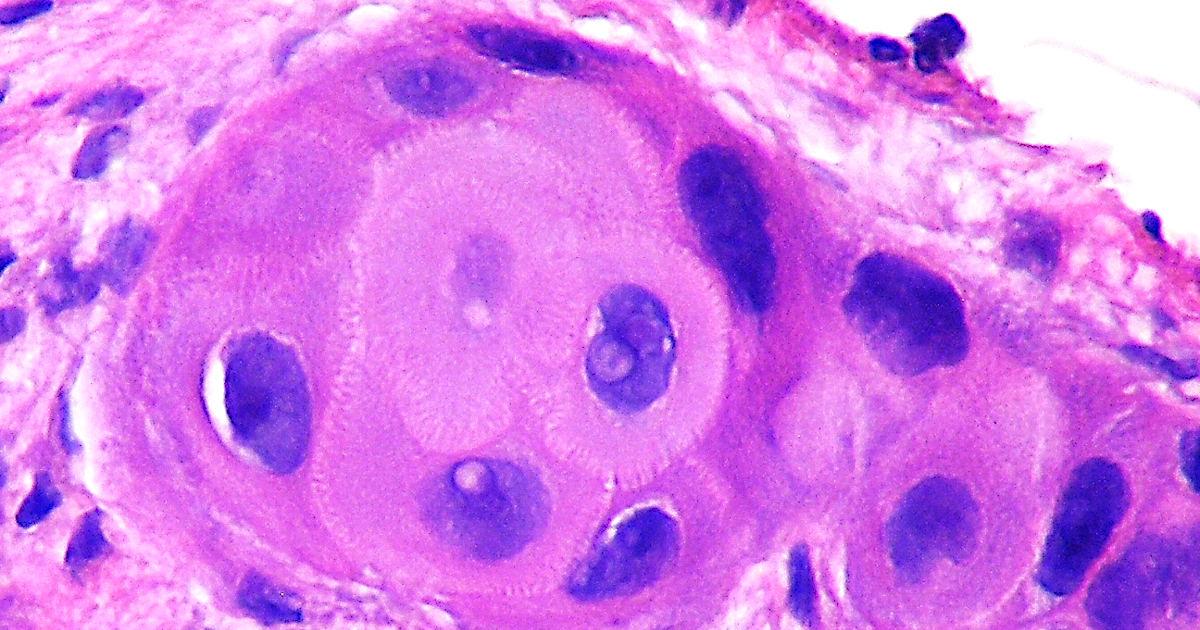
Image Credit: Yale Rosen (Flickr)

A New Way to Organize Cancer Mutations Could Lead to Better Treatment Matches for Patients


There are many types of cancer treatments. But which ones work best varies from patient to patient. Currently, doctors determine which treatment to try for a patient based on where in their DNA, or genetic code, the error that caused the cancer is located.

But a new approach that groups patients by the changes in protein structure and function caused by that error, rather than by the location of the changes in DNA, could lead to both more inclusive clinical trials and better treatment matches for patients.


This article was
republished with permission from 
The
Conversation
, a news site dedicated to sharing ideas
from academic experts.  It was written by and represents the
research-based opinions of
Jacqulyne Robichaux Assistant Professor of Thoracic &
Head and Neck Oncology, The University of Texas MD Anderson Cancer Center


I am part of a team that researches targeted therapies for cancer and ways to make treatment more patient-specific. A recent study by our research team determined that grouping DNA errors by structure may better personalize cancer therapies.

Targeted Therapies
Hone in on Cancer Cells

Mutations are errors made during cell replication when the genetic material of that cell, or DNA, makes a new copy of itself. These mutations are usually harmless and caught by the cell’s proofreading machinery.

However, the proofreader occasionally fails. And on rare instances, these mutations occur in parts of the DNA called oncogenes. Under normal conditions, oncogenes are essential to normal growth and development, such as fetal organ development and general tissue repair and maintenance. But when mutations cause oncogenes to signal for unregulated growth, cancer can form.

One way to kill these tumor cells is to use targeted therapy. Cancer-targeted therapies bind specifically to the defective proteins produced by mutated oncogenes and prevent them from sending a “grow” signal.

Because targeted therapies bind directly to the cancerous protein, they spare most noncancerous cells from being harmed. This results in more specific cancer cell killing and less overall treatment toxicity. In contrast, chemotherapy attacks all actively dividing cells, which includes not just cancer but also hair follicles, the digestive tract, and other parts of the body.

To make targeted therapies more specific, scientists often study the physical or structural changes that mutations cause in proteins. They design drugs that preferentially bind to these particular changes to prevent the defective protein from causing uncontrolled growth.

However, because mutations can occur in many different areas of a protein, multiple targeted therapies are often necessary to bind all the different mutations that occur across cancer types. This leads to a difficult clinical problem: How do physicians match patients to the most effective targeted therapy for their mutations?

Traditional Treatments Use Mutation Location

To attempt to answer this question, our research team chose to focus on one oncogene in lung cancer, EGFR, or epidermal growth factor receptor. We did this for two reasons. First, lung cancer remains the No. 1 cause of cancer-related deaths worldwide. Second, EGFR mutations are among the most common forms of lung cancer – they occur in approximately a third of non-small-cell lung cancers worldwide, amounting to over 550,000 patients annually.

EGFR has many different mutations that cause unregulated growth. Multiple generations of targeted therapies are available for this population of patients.

Clinical trials and treatment options for patients with oncogene-driven lung cancer, particularly with EGFR, are currently based on the type and location of the mutation in the DNA.

However, mutation location is not the best approach to predict how well patients will respond to a drug. Because mutations change the shape of a protein, they can alter the way targeted therapies interact with the protein.

Regrouping cancer mutations

By examining the mutated structures of different EGFR proteins, our team found that they could be categorized into distinct subgroups.

For example, we found that mutations that form away from the areas of the protein that drugs target don’t noticeably affect how well the drug binds to the protein. Cells with this kind of protein mutation were thus killed by all types of EGFR inhibitors. Although these mutations occurred across many locations in the DNA, they shared the same overall structural and functional effect on proteins.

Conversely, mutations that form near typical drug target areas compress this region and prevent certain EGFR inhibitors from attaching to the protein. These mutations also occurred in several different DNA locations.

Based on these findings, our team hypothesized that structural changes in similar protein regions, not DNA location, would cause similar changes in how well a drug works.

To test our hypothesis, we retrospectively analyzed public and hospital data on how well patients responded to cancer treatments. We sorted patients into traditional DNA location-based groups and our newly defined structure/function-based subgroups to determine whether one group had more patients who responded better than the other to different drugs.

We found that the structure/function-based subgroups identified nearly twice as many patients that benefited from a particular drug compared with the DNA location-based groups. Grouping patients by structure/function also identified which EGFR inhibitor provided the longest clinical benefit for patients.

More Inclusive Clinical Trials

In
addition to potentially matching patients to more effective treatments,
clinical trials using structure-based subgroups may lead to broader access to
therapies.

Current clinical trials exclude up to a fifth of patients with EGFR mutant non-small-cell lung cancer because each clinical trial typically focuses on only a handful of specific mutation types. Reframing clinical studies to be based on the changes that mutations cause to protein structure and function, as opposed to their location on DNA, could expand treatment options to include patients with more rare EGFR mutant cancers.

This approach provides a framework that clinical trials could use to make studies more inclusive of all types of mutations. And it may also identify previously ignored or hidden mutation subgroups that can lead to additional drug development and ultimately improve patient care.


Suggested Reading:


Measuring Cancer Cells to Tailor Treatments


Biologists Identify New Targets for Cancer Vaccines


Stem Cells Role in the Anti-Aging Business


Therapeutic Research Advanced by Stem Cell Science


Stay up to date. Follow us: