Filament Health (FLHLF) – Initiating Coverage With An Outperform Rating

Thursday, December 09, 2021

Filament Health (FLHLF)
Initiating Coverage With An Outperform Rating

Filament Health Corp is a natural psychedelic drug discovery and extraction technology company. Its mission is to see safe, approved, natural psychedelics in the hands of everyone who needs them as soon as possible. Filament engages in natural extraction technology commercialization, utilizing its intellectual property portfolio, in-house GMP facility, and Health Canada psilocybin Dealer’s License.

Robert LeBoyer, Senior Research Analyst, Noble Capital Markets, Inc.

Refer to the full report for the price target, fundamental analysis, and rating.

    Filament Health Is Developing Natural Psychedelic Botanical Drugs For Psychiatric Conditions. Filament Health has developed proprietary methods for producing naturally occurring psilocybin, psilocin, and other psychoactive compounds from plants and fungi. These compounds have been formulated for use in treating psychiatric conditions and mental health. It has three products that have received FDA approval to begin clinical testing in 1Q22.

    Focus On Natural Molecules.  Filament Health is developing products based on the natural composition of molecules found in plants and fungi. These are purified formulations of natural compounds that have established use in modern society and indigenous cultures. The company has a patent estate covering the methods of extraction and purification through to the administration of the final …


This Company Sponsored Research is provided by Noble Capital Markets, Inc., a FINRA and S.E.C. registered broker-dealer (B/D).

*Analyst certification and important disclosures included in the full report. NOTE: investment decisions should not be based upon the content of this research summary.  Proper due diligence is required before making any investment decision. 

Release – TherapeuticsMD Settles U.S. Patent Litigation with Amneal for BIJUVA – Allowing for a May 25 2032 Generic Entry Date


TherapeuticsMD Settles U.S. Patent Litigation with Amneal for BIJUVA® (Estradiol and Progesterone) — Allowing for a May 25, 2032 Generic Entry Date

Research, News, and Market Data on TherapeuticsMD


BOCA RATON, Fla.–(BUSINESS WIRE)–Dec. 8, 2021– 
TherapeuticsMD, Inc. (NASDAQ: TXMD), an innovative, leading women’s healthcare company, today announced the settlement of the previously disclosed 
U.S. patent litigation for BIJUVA® with Amneal Pharmaceuticals, Inc., Amneal Pharmaceuticals, LLC, and 
Amneal Pharmaceuticals of New York LLC (collectively “Amneal”).

As part of the settlement, 
TherapeuticsMD granted to Amneal a license to commercialize Amneal’s generic version of BIJUVA (1 mg estradiol and 100 mg progesterone) in 
the United States, commencing on 
May 25, 2032, or earlier under certain circumstances customary for settlement agreements of this nature. The last of TherapeuticsMD’s BIJUVA patents listed in the Food and Drug Administration’s Approved Drug Products with Therapeutic Equivalence Evaluation (“Orange Book”) currently expire on 
November 21, 2032. According to  Rob Finizio, Chief Executive Officer for 
TherapeuticsMD, “This settlement of only 180 days off of the life of our patents reflects the strength of the patent estate we have built for BIJUVA.”

The litigation, which has been pending in the 
U.S. District Court for the District of New Jersey since 2020, resulted from the submission by Amneal of an Abbreviated New Drug Application to the 
U.S. Food and Drug Administration seeking approval to market a generic version of BIJUVA before the 
November 21, 2032 patent expiration date listed in the Orange Book. As part of the settlement, the parties will file a consent judgment with the 
U.S. District Court for the District of New Jersey that enjoins Amneal from marketing a generic version of BIJUVA (1 mg estradiol and 100 mg progesterone) before the expiration of the patents-in-suit, except as provided for in the settlement and license.

About TherapeuticsMD, Inc.

TherapeuticsMD, Inc. is an innovative, leading healthcare company, focused on developing and commercializing novel products exclusively for women. Our products are designed to address the unique changes and challenges women experience through the various stages of their lives with a therapeutic focus in family planning, reproductive health, and menopause management. The company is committed to advancing the health of women and championing awareness of their healthcare issues. To learn more about 
TherapeuticsMD, please visit therapeuticsmd.com or follow us on Twitter: @TherapeuticsMD and on Facebook: 
TherapeuticsMD.

Forward-Looking Statements

This press release by 
TherapeuticsMD, Inc. may contain forward-looking statements. Forward-looking statements may include, but are not limited to, statements relating to TherapeuticsMD’s objectives, plans and strategies as well as statements, other than historical facts, that address activities, events or developments that the company intends, expects, projects, believes or anticipates will or may occur in the future. These statements are often characterized by terminology such as “believes,” “hopes,” “may,” “anticipates,” “should,” “intends,” “plans,” “will,” “expects,” “estimates,” “projects,” “positioned,” “strategy” and similar expressions and are based on assumptions and assessments made in light of management’s experience and perception of historical trends, current conditions, expected future developments and other factors believed to be appropriate. Forward-looking statements in this press release are made as of the date of this press release, and the company undertakes no duty to update or revise any such statements, whether as a result of new information, future events or otherwise. Forward-looking statements are not guarantees of future performance and are subject to risks and uncertainties, many of which are outside of the company’s control. Important factors that could cause actual results, developments and business decisions to differ materially from forward-looking statements are described in the sections titled “Risk Factors” in the company’s filings with the 
Securities and Exchange Commission, including its most recent Annual Report on Form 10-K and Quarterly Reports on Form 10-Q, as well as reports on Form 8-K, and include the following: the effects of the COVID-19 pandemic; the company’s ability to maintain or increase sales of its products; the company’s ability to develop and commercialize IMVEXXY®, ANNOVERA®, and BIJUVA® and obtain additional financing necessary therefor; whether the company will be able to comply with the covenants and conditions under its term loan facility; whether the company will be able to successfully divest, or obtain an investment in, its vitaCare business and how the proceeds that may be generated by any such divestiture or investment will be utilized; the effects of supply chain issues on the supply of the company’s products; the potential of adverse side effects or other safety risks that could adversely affect the commercialization of the company’s current or future approved products or preclude the approval of the company’s future drug candidates; whether the FDA will approve the lower dose of BIJUVA and the manufacturing specification changes for ANNOVERA; the company’s ability to protect its intellectual property, including with respect to the Paragraph IV notice letters the company received regarding IMVEXXY and BIJUVA and the corresponding settlement regarding BIJUVA; the length, cost and uncertain results of future clinical trials; the company’s reliance on third parties to conduct its manufacturing, research and development and clinical trials; the ability of the company’s licensees to commercialize and distribute the company’s products; the availability of reimbursement from government authorities and health insurance companies for the company’s products; the impact of product liability lawsuits; the influence of extensive and costly government regulation; the impact of leadership transitions; the volatility of the trading price of the company’s common stock and the concentration of power in its stock ownership.

Lisa M. Wilson

In-Site Communications, Inc.
212-452-2793
[email protected]

Source: 
TherapeuticsMD, Inc.

TherapeuticsMD Settles U.S. Patent Litigation with Amneal for BIJUVA® (Estradiol and Progesterone) — Allowing for a May 25, 2032 Generic Entry Date


TherapeuticsMD Settles U.S. Patent Litigation with Amneal for BIJUVA® (Estradiol and Progesterone) — Allowing for a May 25, 2032 Generic Entry Date

Research, News, and Market Data on TherapeuticsMD


BOCA RATON, Fla.–(BUSINESS WIRE)–Dec. 8, 2021– 
TherapeuticsMD, Inc. (NASDAQ: TXMD), an innovative, leading women’s healthcare company, today announced the settlement of the previously disclosed 
U.S. patent litigation for BIJUVA® with Amneal Pharmaceuticals, Inc., Amneal Pharmaceuticals, LLC, and 
Amneal Pharmaceuticals of New York LLC (collectively “Amneal”).

As part of the settlement, 
TherapeuticsMD granted to Amneal a license to commercialize Amneal’s generic version of BIJUVA (1 mg estradiol and 100 mg progesterone) in 
the United States, commencing on 
May 25, 2032, or earlier under certain circumstances customary for settlement agreements of this nature. The last of TherapeuticsMD’s BIJUVA patents listed in the Food and Drug Administration’s Approved Drug Products with Therapeutic Equivalence Evaluation (“Orange Book”) currently expire on 
November 21, 2032. According to  Rob Finizio, Chief Executive Officer for 
TherapeuticsMD, “This settlement of only 180 days off of the life of our patents reflects the strength of the patent estate we have built for BIJUVA.”

The litigation, which has been pending in the 
U.S. District Court for the District of New Jersey since 2020, resulted from the submission by Amneal of an Abbreviated New Drug Application to the 
U.S. Food and Drug Administration seeking approval to market a generic version of BIJUVA before the 
November 21, 2032 patent expiration date listed in the Orange Book. As part of the settlement, the parties will file a consent judgment with the 
U.S. District Court for the District of New Jersey that enjoins Amneal from marketing a generic version of BIJUVA (1 mg estradiol and 100 mg progesterone) before the expiration of the patents-in-suit, except as provided for in the settlement and license.

About TherapeuticsMD, Inc.

TherapeuticsMD, Inc. is an innovative, leading healthcare company, focused on developing and commercializing novel products exclusively for women. Our products are designed to address the unique changes and challenges women experience through the various stages of their lives with a therapeutic focus in family planning, reproductive health, and menopause management. The company is committed to advancing the health of women and championing awareness of their healthcare issues. To learn more about 
TherapeuticsMD, please visit therapeuticsmd.com or follow us on Twitter: @TherapeuticsMD and on Facebook: 
TherapeuticsMD.

Forward-Looking Statements

This press release by 
TherapeuticsMD, Inc. may contain forward-looking statements. Forward-looking statements may include, but are not limited to, statements relating to TherapeuticsMD’s objectives, plans and strategies as well as statements, other than historical facts, that address activities, events or developments that the company intends, expects, projects, believes or anticipates will or may occur in the future. These statements are often characterized by terminology such as “believes,” “hopes,” “may,” “anticipates,” “should,” “intends,” “plans,” “will,” “expects,” “estimates,” “projects,” “positioned,” “strategy” and similar expressions and are based on assumptions and assessments made in light of management’s experience and perception of historical trends, current conditions, expected future developments and other factors believed to be appropriate. Forward-looking statements in this press release are made as of the date of this press release, and the company undertakes no duty to update or revise any such statements, whether as a result of new information, future events or otherwise. Forward-looking statements are not guarantees of future performance and are subject to risks and uncertainties, many of which are outside of the company’s control. Important factors that could cause actual results, developments and business decisions to differ materially from forward-looking statements are described in the sections titled “Risk Factors” in the company’s filings with the 
Securities and Exchange Commission, including its most recent Annual Report on Form 10-K and Quarterly Reports on Form 10-Q, as well as reports on Form 8-K, and include the following: the effects of the COVID-19 pandemic; the company’s ability to maintain or increase sales of its products; the company’s ability to develop and commercialize IMVEXXY®, ANNOVERA®, and BIJUVA® and obtain additional financing necessary therefor; whether the company will be able to comply with the covenants and conditions under its term loan facility; whether the company will be able to successfully divest, or obtain an investment in, its vitaCare business and how the proceeds that may be generated by any such divestiture or investment will be utilized; the effects of supply chain issues on the supply of the company’s products; the potential of adverse side effects or other safety risks that could adversely affect the commercialization of the company’s current or future approved products or preclude the approval of the company’s future drug candidates; whether the FDA will approve the lower dose of BIJUVA and the manufacturing specification changes for ANNOVERA; the company’s ability to protect its intellectual property, including with respect to the Paragraph IV notice letters the company received regarding IMVEXXY and BIJUVA and the corresponding settlement regarding BIJUVA; the length, cost and uncertain results of future clinical trials; the company’s reliance on third parties to conduct its manufacturing, research and development and clinical trials; the ability of the company’s licensees to commercialize and distribute the company’s products; the availability of reimbursement from government authorities and health insurance companies for the company’s products; the impact of product liability lawsuits; the influence of extensive and costly government regulation; the impact of leadership transitions; the volatility of the trading price of the company’s common stock and the concentration of power in its stock ownership.

Lisa M. Wilson

In-Site Communications, Inc.
212-452-2793
[email protected]

Source: 
TherapeuticsMD, Inc.

Helius Medical Technologies (HSDT)(HSM:CA) – Sell Off Too Deep Upgrading

Monday, December 06, 2021

Helius Medical Technologies (HSDT)(HSM:CA)
Sell Off Too Deep; Upgrading to Outperform

Helius Medical Technologies is a neurotech company focused on neurological wellness. The Company’s purpose is to develop, license and acquire unique and non-invasive platform technologies that amplify the brain’s ability to heal itself. The Company’s first commercial product is the Portable Neuromodulation Stimulator (PoNSTM). For more information, visit www.heliusmedical.com.

Joe Gomes, Senior Research Analyst, Noble Capital Markets, Inc.

Gregory Aurand, Senior Research Analyst, Healthcare Services & Medical Devices, Noble Capital Markets, Inc.

Refer to the full report for the price target, fundamental analysis, and rating.

    Raising to Outperform. We had downgraded HSDT shares on November 15th on the heels of the capital raise as we expected a period of consolidation given the significant discount to the then market price the new shares were sold. However, the sharp drop in the shares since then is presenting investors with a favorable risk/reward opportunity, in our view, and we are raising our rating to Outperform.

    Sell Off.  Helius sold shares in the capital raise at $8.00 on November 12th. After a week of trading sideways, the shares steadily moved lower, bottoming out at $5.54 on December 2nd. Volume, while higher than the historical level, was not outrageously high. We suspect there has been a fair amount of tax selling going into year-end, especially as the shares were at the $14 level just prior to the …


This Company Sponsored Research is provided by Noble Capital Markets, Inc., a FINRA and S.E.C. registered broker-dealer (B/D).

*Analyst certification and important disclosures included in the full report. NOTE: investment decisions should not be based upon the content of this research summary.  Proper due diligence is required before making any investment decision. 

Release – Helius Medical Technologies Inc.s Dr. Antonella Favit-Van Pelt to Present at 4th International Brain Stimulation Conference on December 9


Helius Medical Technologies, Inc.’s Dr. Antonella Favit-Van Pelt to Present at 4th International Brain Stimulation Conference on December 9

Research, News, and Market Data on Helius Medical Technologies


Dr. Favit-Van Pelt will present research that led to the FDA authorization of translingual nerve stimulation for gait disturbance in multiple sclerosis

NEWTOWN, Pa., Dec. 06, 2021 (GLOBE NEWSWIRE) — Helius Medical Technologies, Inc. (Nasdaq:HSDT) (“Helius” or the “Company”), a neurotech company focused on neurological wellness, today announced that Chief Medical Officer Antonella Favit-Van Pelt, M.D., Ph.D. will be presenting at the 4th International Brain Stimulation Conference, taking place December 6 – 9 in Charleston, S.C. The conference is organized by Elsevier, a global leader in information and analytics, and brings together experts in the field of brain stimulation across a wide range of disciplines.

Alongside three other key opinion leader clinicians, Dr. Favit-Van Pelt will be part of a Thursday symposium titled “Recently authorized by the FDA—Novel Brain Stimulation treatments coming to a clinic near you.” During the session, Dr. Favit-Van Pelt will introduce the research that led to the FDA authorization of translingual nerve stimulation for gait disturbance in multiple sclerosis in a presentation titled “Portable neuromodulation stimulator (PoNS) device therapy improves gait function in patients with multiple sclerosis.” Helius received marketing authorization for the use of PoNS in the treatment of gait deficit due to mild-to-moderate symptoms of MS in March 2021 and, in August 2021, received Breakthrough Designation for the treatment of dynamic gait and balance deficits resulting from a stroke.

Dr. Favit-Van Pelt’s co-panelists will include Dr. Gregory Sahlem of Stanford University, Dr. Abraham Zangen of Ben-Gurion University in Israel, and Dr. Teresa Kimberley of MGH Institute of Health Professions. The symposium will run from 1:30 to 3:30 PM, eastern standard time.

About Antonella Favit-Van Pelt, MD, PhD

Dr. Favit-Van Pelt is a rare disease expert and pioneer in the field of applied theragnostics for the development of disease-modifying treatments. A board-certified neurologist, she holds a PhD in Pharmacology and has more than 20 years of drug development expertise in the pharmaceutical industry and academia. She started her clinical practice activity in 1994 with specialist clinics in Europe where she continues as a specialist consultant managing patients with movement disorders and rare neuromuscular disorders. Dr. Favit-Van Pelt currently serves as Chief Medical Officer of Helius.

About Helius Medical Technologies, Inc.

Helius Medical Technologies is a leading neurotech company in the medical device field focused on neurologic deficits using non-implantable platform technologies that amplify the brain’s ability to compensate and promotes neuroplasticity, aiming to improve the lives of people dealing with neurologic diseases. The Company’s first commercial product is the Portable Neuromodulation Stimulator (PoNS). For more information, visit www.heliusmedical.com.

About the PoNS Device and PoNS Therapy

The Portable Neuromodulation Stimulator (PoNS) is an innovative non-surgical medical device, inclusive of a controller and mouthpiece, which delivers electrical stimulation to the surface of the tongue to improve balance and gait. The PoNS device is indicated for use in the United States as a short-term treatment of gait deficit due to mild-to-moderate symptoms from multiple sclerosis (“MS”) and is to be used as an adjunct to a supervised therapeutic exercise program in patients 22 years of age and over by prescription only. Helius is advancing PoNS post-approval research in MS through a recently launched Therapeutic Experience Program (TEP).

PoNS is also authorized for sale in Canada for two indications: (i) PoNS is authorized as a short-term treatment (14 weeks) of chronic balance deficit due to mild-to-moderate traumatic brain injury (“mmTBI”) and is to be used in conjunction with physical therapy; and (ii) PoNS is authorized for use as a short term treatment (14 weeks) of gait deficit due to mild and moderate symptoms from MS and is to be used in conjunction with physical therapy. PoNS is also authorized for sale in Australia for short term use by healthcare professionals as an adjunct to a therapeutic exercise program to improve balance and gait.

Cautionary Disclaimer Statement

Certain statements in this news release are not based on historical facts and constitute forward-looking statements or forward-looking information within the meaning of the U.S. Private Securities Litigation Reform Act of 1995 and Canadian securities laws. All statements other than statements of historical fact included in this news release are forward-looking statements that involve risks and uncertainties. Forward-looking statements are often identified by terms such as “believe,” “expect,” “continue,” “will,” “goal,” “aim” and similar expressions.

There can be no assurance that such statements will prove to be accurate and actual results and future events could differ materially from those expressed or implied by such statements. Important factors that could cause actual results to differ materially from the Company’s expectations include risks detailed from time to time in the “Risk Factors” section of the Company’s Annual Report on Form 10-K for the year ended December 31, 2020, its Quarterly Report on Form 10-Q for the quarter ended September 30, 2021 and its other filings with the United States Securities and Exchange Commission and the Canadian securities regulators, which can be obtained from either at www.sec.gov or www.sedar.com.

The reader is cautioned not to place undue reliance on any forward-looking statement. The forward-looking statements contained in this news release are made as of the date of this news release and the Company assumes no obligation to update any forward-looking statement or to update the reasons why actual results could differ from such statements except to the extent required by law.

Investor Relations Contact

Lisa M. Wilson, In-Site Communications, Inc.
T: 212-452-2793
E: [email protected]

Release – BioSig to Participate in the Benzinga All Access Event on December 14 2021


BioSig to Participate in the Benzinga All Access Event on December 14, 2021

News and Market Data on BioSig Technologies


Westport, CT, Dec. 06, 2021 (GLOBE NEWSWIRE) — BioSig Technologies, Inc. (Nasdaq: BSGM) (“BioSig” or the “Company”), a medical technology company commercializing an innovative signal processing platform designed to improve signal fidelity and uncover the full range of ECG and intra-cardiac signals, today announced that Natasha Drapeau, Executive Vice President of BioSig Technologies, Inc., would be presenting at the Benzinga All Access event on Tuesday, December 14, 2021, at 9:40 am EST.

“Our Company demonstrated a solid operational performance this year despite the ongoing challenges imposed by the pandemic. I look forward to sharing some of those highlights including first commercial sales, the completion of approximately 1800 patient cases with the PURE EP™ System, and  the launching of several strategic initiatives that position us well for a new phase in our commercial growth,” commented Natasha Drapeau, Executive Vice President of BioSig Technologies, Inc.

The presentation will be broadcast live at 9:40 am EST on Tuesday, December 14th, 2021. To watch the live event, please click here.

A replay of the presentation will also be available on the BioSig website.

The PURE EP™ is an FDA 510(k) cleared non-invasive class II device that aims to drive procedural efficiency and efficacy in cardiac electrophysiology. Clinical data acquired by the PURE EP™ System in a multi-center study at Texas Cardiac Arrhythmia Institute at St. David’s Medical Center, Mayo Clinic Jacksonville, and Massachusetts General Hospital was recently published in the Journal of Cardiovascular Electrophysiology and is available electronically with open access via the Wiley Online Library. Study results showed 93% consensus across the blinded reviewers with a 75% overall improvement in intracardiac signal quality and confidence in interpreting PURE EP™  signals over conventional sources.

One in 18 Americans suffers from a cardiac arrhythmia. Atrial fibrillation is the most common arrhythmia type, affecting over 33 million people worldwide, including over 6 million in the U.S. The number of people suffering from atrial fibrillation is expected to reach 8-12 million by 20501. According to the Centers for Disease Control and Prevention (CDC), atrial fibrillation causes more than 750,000 hospitalizations in the U.S. each year, resulting in approximately $6 billion in healthcare spending annually2.

About Benzinga All Access
Benzinga All Access is a first-of-its-kind show: part interview, part investor presentation. On All Access, Benzinga partners with companies to bring you in-depth one-on-one conversations with executives across a wide range of industries and asset classes. From emerging biotechs, to alternative real estate investment platforms, to everything in between, guests on All Access have one thing in common: they want to tell their story to investors.


About BioSig Technologies
BioSig Technologies is a medical technology company commercializing a proprietary biomedical signal processing platform designed to improve signal fidelity and uncover the full range of ECG and intra-cardiac signals. (www.biosig.com).

The Company’s first product, PURE EP ™ System is a computerized system intended for acquiring, digitizing, amplifying, filtering, measuring and calculating, displaying, recording and storing of electrocardiographic and intracardiac signals for patients undergoing electrophysiology (EP) procedures in an EP laboratory. To date, 73 physicians have completed over 1750 patient cases with the PURE EP™ System. The Company is in a focused commercial launch of the PURE EP™ System in the NortheastTexas, and Florida. The technology is regularly used in some of the country’s highest-ranked hospitals, including St. David’s Medical Center in Austin, TX, Mayo Clinic campuses in Florida, Minnesota, and Arizona, and University of Pennsylvania in Philadelphia, PA.

Forward-looking Statements
This press release contains “forward-looking statements.” Such statements may be preceded by the words “intends,” “may,” “will,” “plans,” “expects,” “anticipates,” “projects,” “predicts,” “estimates,” “aims,” “believes,” “hopes,” “potential” or similar words. Forward- looking statements are not guarantees of future performance, are based on certain assumptions and are subject to various known and unknown risks and uncertainties, many of which are beyond the Company’s control, and cannot be predicted or quantified and consequently, actual results may differ materially from those expressed or implied by such forward-looking statements. Such risks and uncertainties include, without limitation, risks and uncertainties associated with (i) the geographic, social and economic impact of COVID-19 on our ability to conduct our business and raise capital in the future when needed, (ii) our inability to manufacture our products and product candidates on a commercial scale on our own, or in collaboration with third parties; (iii) difficulties in obtaining financing on commercially reasonable terms; (iv) changes in the size and nature of our competition; (v) loss of one or more key executives or scientists; and (vi) difficulties in securing regulatory approval to market our products and product candidates. More detailed information about the Company and the risk factors that may affect the realization of forward-looking statements is set forth in the Company’s filings with the Securities and Exchange Commission (SEC), including the Company’s Annual Report on Form 10-K and its Quarterly Reports on Form 10-Q. Investors and security holders are urged to read these documents free of charge on the SEC’s website at http://www.sec.gov. The Company assumes no obligation to publicly update or revise its forward-looking statements as a result of new information, future events or otherwise.


1 Top 10 Things You should Know About Heart Rhythm; Scripps Health.

2 Managing Atrial Fibrillation; Lisa Eramom MA, Medical Economics Journal, February 25, 2019, Volume 96, Issue 4

Source: BioSig Technologies

How Adjuvants Increase Vaccine Potency


Immune System-Stimulating Nanoparticle Could Lead to More Powerful Vaccines


Anne Trafton | MIT News
Office


A common strategy to make vaccines more powerful is to deliver them along with an adjuvant — a compound that stimulates the immune system to produce a stronger response.

Researchers from MIT, the La Jolla Institute for Immunology, and other institutions have now designed a new nanoparticle adjuvant that may be more potent than others now in use. Studies in mice showed that it significantly improved antibody production following vaccination against HIV, diphtheria, and influenza.

“We started looking at this particular formulation and found that it was incredibly potent, better than almost anything else we had tried,” says Darrell Irvine, the Underwood-Prescott Professor with appointments in MIT’s departments of Biological Engineering and Materials Science and Engineering; an associate director of MIT’s Koch Institute for Integrative Cancer Research; and a member of the Ragon Institute of MGH, MIT, and Harvard.

The researchers now hope to incorporate the adjuvant into an HIV vaccine that is currently being tested in clinical trials, in hopes of improving its performance.

Irvine and Shane Crotty, a professor at the Center for Infectious Disease and Vaccine Research at the La Jolla Institute for Immunology, are the senior authors of the study, which appears today in Science Immunology. The lead authors of the paper are Murillo Silva, a former MIT postdoc, and Yu Kato, a staff scientist at the La Jolla Institute.


More Powerful Vaccines

Although the idea of using adjuvants to boost vaccine effectiveness has been around for decades, there are only a handful of FDA-approved vaccine adjuvants. One is aluminum hydroxide, an aluminum salt that induces inflammation, and another is an oil and water emulsion that is used in flu vaccines. A few years ago, the FDA approved an adjuvant based on saponin, a compound derived from the bark of the Chilean soapbark tree.

Saponin formulated in liposomes is now used as an adjuvant in the shingles vaccine, and saponins are also being used in a cage-like nanoparticle called an immunostimulatory complex (ISCOM) in a Covid-19 vaccine that is currently in clinical trials.

Researchers have shown that saponins promote inflammatory immune responses and stimulate antibody production, but how they do that is unclear. In the new study, the MIT and La Jolla team wanted to figure out how the adjuvant exerts its effects, and to see if they could make it more potent.

They designed a new type of adjuvant that is similar to the ISCOM adjuvant but also incorporates a molecule called MPLA, which is a toll-like receptor agonist. When these molecules bind to toll-like receptors on immune cells, they promote inflammation. The researchers call their new adjuvant SMNP (saponin/MPLA nanoparticles).

“We expected that this could be interesting because saponin and toll-like receptor agonists are both adjuvants that have been studied separately and shown to be very effective,” Irvine says.

The researchers tested the adjuvant by injecting it into mice along with a few different antigens, or fragments of viral proteins. These included two HIV antigens, as well as diphtheria and influenza antigens. They compared the adjuvant to several other approved adjuvants and found that the new saponin-based nanoparticle elicited a stronger antibody response than any of the others.

One of the HIV antigens that they used is an HIV envelope protein nanoparticle, which presents many copies of the gp120 antigen that is present on the HIV viral surface. This antigen recently completed initial testing in phase 1 clinical trials. Irvine and Crotty are part of the Consortium for HIV/AIDS Vaccine Development at the Scripps Research Institute, which ran that trial. The researchers now hope to develop a way to manufacture the new adjuvant at large scale so it can be tested along with an HIV envelope trimer in another clinical trial beginning next year.  Clinical trials that combine envelope trimers with the traditional vaccine adjuvant aluminum hydroxide are also underway.

“Aluminum hydroxide is safe but not particularly potent, so we hope that (the new adjuvant) would be an interesting alternative to elicit neutralizing antibody responses in people,” Irvine says.


Rapid Flow

When vaccines are injected into the arm, they travel through lymph vessels to the lymph nodes, where they encounter and activate B cells. The research team found that the new adjuvant speeds up the flow of lymph to the nodes, helping the antigen to get there before it starts to break down. It does this in part by stimulating immune cells called mast cells, which previously were not known to be involved in vaccine responses.

“Getting to the lymph nodes quickly is useful because once you inject the antigen, it starts slowly breaking down. The sooner a B cell can see that antigen, the more likely it’s fully intact, so that B cells are targeting the structure as it will be present on the native virus,” Irvine says.

Additionally, once the vaccine reaches the lymph nodes, the adjuvant causes a layer of cells called macrophages, which act as a barrier, to die off quickly, making it easier for the antigen to get into the nodes.

Another way that the adjuvant helps boost immune responses is by activating inflammatory cytokines that drive a stronger response. The TLR agonist that the researchers included in the adjuvant is believed to amplify that cytokine response, but the exact mechanism for that is not known yet.

This kind of adjuvant could also be useful for any other kind of subunit vaccine, which consists of fragments of viral proteins or other molecules. In addition to their work on HIV vaccines, the researchers are also working on a potential Covid-19 vaccine, along with J. Christopher Love’s lab at the Koch Institute. The new adjuvant also appears to help stimulate T cell activity, which could make it useful as a component of cancer vaccines, which aim to stimulate the body’s own T cells to attack tumors.


Suggested Content:


Cocrystal Pharma C-Suite Interview (Video)


Axcella Therapeutics C-Suite Interview (Video)


Avivagen Virtual Roadshow (Video)


Schwazze – Medicine Man Technologoies Virtual Roadshow (Video)


Stay up to date. Follow us:


BioSig to Participate in the Benzinga All Access Event on December 14, 2021


BioSig to Participate in the Benzinga All Access Event on December 14, 2021

News and Market Data on BioSig Technologies


Westport, CT, Dec. 06, 2021 (GLOBE NEWSWIRE) — BioSig Technologies, Inc. (Nasdaq: BSGM) (“BioSig” or the “Company”), a medical technology company commercializing an innovative signal processing platform designed to improve signal fidelity and uncover the full range of ECG and intra-cardiac signals, today announced that Natasha Drapeau, Executive Vice President of BioSig Technologies, Inc., would be presenting at the Benzinga All Access event on Tuesday, December 14, 2021, at 9:40 am EST.

“Our Company demonstrated a solid operational performance this year despite the ongoing challenges imposed by the pandemic. I look forward to sharing some of those highlights including first commercial sales, the completion of approximately 1800 patient cases with the PURE EP™ System, and  the launching of several strategic initiatives that position us well for a new phase in our commercial growth,” commented Natasha Drapeau, Executive Vice President of BioSig Technologies, Inc.

The presentation will be broadcast live at 9:40 am EST on Tuesday, December 14th, 2021. To watch the live event, please click here.

A replay of the presentation will also be available on the BioSig website.

The PURE EP™ is an FDA 510(k) cleared non-invasive class II device that aims to drive procedural efficiency and efficacy in cardiac electrophysiology. Clinical data acquired by the PURE EP™ System in a multi-center study at Texas Cardiac Arrhythmia Institute at St. David’s Medical Center, Mayo Clinic Jacksonville, and Massachusetts General Hospital was recently published in the Journal of Cardiovascular Electrophysiology and is available electronically with open access via the Wiley Online Library. Study results showed 93% consensus across the blinded reviewers with a 75% overall improvement in intracardiac signal quality and confidence in interpreting PURE EP™  signals over conventional sources.

One in 18 Americans suffers from a cardiac arrhythmia. Atrial fibrillation is the most common arrhythmia type, affecting over 33 million people worldwide, including over 6 million in the U.S. The number of people suffering from atrial fibrillation is expected to reach 8-12 million by 20501. According to the Centers for Disease Control and Prevention (CDC), atrial fibrillation causes more than 750,000 hospitalizations in the U.S. each year, resulting in approximately $6 billion in healthcare spending annually2.

About Benzinga All Access
Benzinga All Access is a first-of-its-kind show: part interview, part investor presentation. On All Access, Benzinga partners with companies to bring you in-depth one-on-one conversations with executives across a wide range of industries and asset classes. From emerging biotechs, to alternative real estate investment platforms, to everything in between, guests on All Access have one thing in common: they want to tell their story to investors.


About BioSig Technologies
BioSig Technologies is a medical technology company commercializing a proprietary biomedical signal processing platform designed to improve signal fidelity and uncover the full range of ECG and intra-cardiac signals. (www.biosig.com).

The Company’s first product, PURE EP ™ System is a computerized system intended for acquiring, digitizing, amplifying, filtering, measuring and calculating, displaying, recording and storing of electrocardiographic and intracardiac signals for patients undergoing electrophysiology (EP) procedures in an EP laboratory. To date, 73 physicians have completed over 1750 patient cases with the PURE EP™ System. The Company is in a focused commercial launch of the PURE EP™ System in the NortheastTexas, and Florida. The technology is regularly used in some of the country’s highest-ranked hospitals, including St. David’s Medical Center in Austin, TX, Mayo Clinic campuses in Florida, Minnesota, and Arizona, and University of Pennsylvania in Philadelphia, PA.

Forward-looking Statements
This press release contains “forward-looking statements.” Such statements may be preceded by the words “intends,” “may,” “will,” “plans,” “expects,” “anticipates,” “projects,” “predicts,” “estimates,” “aims,” “believes,” “hopes,” “potential” or similar words. Forward- looking statements are not guarantees of future performance, are based on certain assumptions and are subject to various known and unknown risks and uncertainties, many of which are beyond the Company’s control, and cannot be predicted or quantified and consequently, actual results may differ materially from those expressed or implied by such forward-looking statements. Such risks and uncertainties include, without limitation, risks and uncertainties associated with (i) the geographic, social and economic impact of COVID-19 on our ability to conduct our business and raise capital in the future when needed, (ii) our inability to manufacture our products and product candidates on a commercial scale on our own, or in collaboration with third parties; (iii) difficulties in obtaining financing on commercially reasonable terms; (iv) changes in the size and nature of our competition; (v) loss of one or more key executives or scientists; and (vi) difficulties in securing regulatory approval to market our products and product candidates. More detailed information about the Company and the risk factors that may affect the realization of forward-looking statements is set forth in the Company’s filings with the Securities and Exchange Commission (SEC), including the Company’s Annual Report on Form 10-K and its Quarterly Reports on Form 10-Q. Investors and security holders are urged to read these documents free of charge on the SEC’s website at http://www.sec.gov. The Company assumes no obligation to publicly update or revise its forward-looking statements as a result of new information, future events or otherwise.


1 Top 10 Things You should Know About Heart Rhythm; Scripps Health.

2 Managing Atrial Fibrillation; Lisa Eramom MA, Medical Economics Journal, February 25, 2019, Volume 96, Issue 4

Source: BioSig Technologies

Helius Medical Technologies, Inc.’s Dr. Antonella Favit-Van Pelt to Present at 4th International Brain Stimulation Conference on December 9


Helius Medical Technologies, Inc.’s Dr. Antonella Favit-Van Pelt to Present at 4th International Brain Stimulation Conference on December 9

Research, News, and Market Data on Helius Medical Technologies


Dr. Favit-Van Pelt will present research that led to the FDA authorization of translingual nerve stimulation for gait disturbance in multiple sclerosis

NEWTOWN, Pa., Dec. 06, 2021 (GLOBE NEWSWIRE) — Helius Medical Technologies, Inc. (Nasdaq:HSDT) (“Helius” or the “Company”), a neurotech company focused on neurological wellness, today announced that Chief Medical Officer Antonella Favit-Van Pelt, M.D., Ph.D. will be presenting at the 4th International Brain Stimulation Conference, taking place December 6 – 9 in Charleston, S.C. The conference is organized by Elsevier, a global leader in information and analytics, and brings together experts in the field of brain stimulation across a wide range of disciplines.

Alongside three other key opinion leader clinicians, Dr. Favit-Van Pelt will be part of a Thursday symposium titled “Recently authorized by the FDA—Novel Brain Stimulation treatments coming to a clinic near you.” During the session, Dr. Favit-Van Pelt will introduce the research that led to the FDA authorization of translingual nerve stimulation for gait disturbance in multiple sclerosis in a presentation titled “Portable neuromodulation stimulator (PoNS) device therapy improves gait function in patients with multiple sclerosis.” Helius received marketing authorization for the use of PoNS in the treatment of gait deficit due to mild-to-moderate symptoms of MS in March 2021 and, in August 2021, received Breakthrough Designation for the treatment of dynamic gait and balance deficits resulting from a stroke.

Dr. Favit-Van Pelt’s co-panelists will include Dr. Gregory Sahlem of Stanford University, Dr. Abraham Zangen of Ben-Gurion University in Israel, and Dr. Teresa Kimberley of MGH Institute of Health Professions. The symposium will run from 1:30 to 3:30 PM, eastern standard time.

About Antonella Favit-Van Pelt, MD, PhD

Dr. Favit-Van Pelt is a rare disease expert and pioneer in the field of applied theragnostics for the development of disease-modifying treatments. A board-certified neurologist, she holds a PhD in Pharmacology and has more than 20 years of drug development expertise in the pharmaceutical industry and academia. She started her clinical practice activity in 1994 with specialist clinics in Europe where she continues as a specialist consultant managing patients with movement disorders and rare neuromuscular disorders. Dr. Favit-Van Pelt currently serves as Chief Medical Officer of Helius.

About Helius Medical Technologies, Inc.

Helius Medical Technologies is a leading neurotech company in the medical device field focused on neurologic deficits using non-implantable platform technologies that amplify the brain’s ability to compensate and promotes neuroplasticity, aiming to improve the lives of people dealing with neurologic diseases. The Company’s first commercial product is the Portable Neuromodulation Stimulator (PoNS). For more information, visit www.heliusmedical.com.

About the PoNS Device and PoNS Therapy

The Portable Neuromodulation Stimulator (PoNS) is an innovative non-surgical medical device, inclusive of a controller and mouthpiece, which delivers electrical stimulation to the surface of the tongue to improve balance and gait. The PoNS device is indicated for use in the United States as a short-term treatment of gait deficit due to mild-to-moderate symptoms from multiple sclerosis (“MS”) and is to be used as an adjunct to a supervised therapeutic exercise program in patients 22 years of age and over by prescription only. Helius is advancing PoNS post-approval research in MS through a recently launched Therapeutic Experience Program (TEP).

PoNS is also authorized for sale in Canada for two indications: (i) PoNS is authorized as a short-term treatment (14 weeks) of chronic balance deficit due to mild-to-moderate traumatic brain injury (“mmTBI”) and is to be used in conjunction with physical therapy; and (ii) PoNS is authorized for use as a short term treatment (14 weeks) of gait deficit due to mild and moderate symptoms from MS and is to be used in conjunction with physical therapy. PoNS is also authorized for sale in Australia for short term use by healthcare professionals as an adjunct to a therapeutic exercise program to improve balance and gait.

Cautionary Disclaimer Statement

Certain statements in this news release are not based on historical facts and constitute forward-looking statements or forward-looking information within the meaning of the U.S. Private Securities Litigation Reform Act of 1995 and Canadian securities laws. All statements other than statements of historical fact included in this news release are forward-looking statements that involve risks and uncertainties. Forward-looking statements are often identified by terms such as “believe,” “expect,” “continue,” “will,” “goal,” “aim” and similar expressions.

There can be no assurance that such statements will prove to be accurate and actual results and future events could differ materially from those expressed or implied by such statements. Important factors that could cause actual results to differ materially from the Company’s expectations include risks detailed from time to time in the “Risk Factors” section of the Company’s Annual Report on Form 10-K for the year ended December 31, 2020, its Quarterly Report on Form 10-Q for the quarter ended September 30, 2021 and its other filings with the United States Securities and Exchange Commission and the Canadian securities regulators, which can be obtained from either at www.sec.gov or www.sedar.com.

The reader is cautioned not to place undue reliance on any forward-looking statement. The forward-looking statements contained in this news release are made as of the date of this news release and the Company assumes no obligation to update any forward-looking statement or to update the reasons why actual results could differ from such statements except to the extent required by law.

Investor Relations Contact

Lisa M. Wilson, In-Site Communications, Inc.
T: 212-452-2793
E: [email protected]

Helius Medical Technologies (HSDT)(HSM:CA) – Sell Off Too Deep; Upgrading to Outperform

Monday, December 06, 2021

Helius Medical Technologies (HSDT)(HSM:CA)
Sell Off Too Deep; Upgrading to Outperform

Helius Medical Technologies is a neurotech company focused on neurological wellness. The Company’s purpose is to develop, license and acquire unique and non-invasive platform technologies that amplify the brain’s ability to heal itself. The Company’s first commercial product is the Portable Neuromodulation Stimulator (PoNSTM). For more information, visit www.heliusmedical.com.

Joe Gomes, Senior Research Analyst, Noble Capital Markets, Inc.

Gregory Aurand, Senior Research Analyst, Healthcare Services & Medical Devices, Noble Capital Markets, Inc.

Refer to the full report for the price target, fundamental analysis, and rating.

    Raising to Outperform. We had downgraded HSDT shares on November 15th on the heels of the capital raise as we expected a period of consolidation given the significant discount to the then market price the new shares were sold. However, the sharp drop in the shares since then is presenting investors with a favorable risk/reward opportunity, in our view, and we are raising our rating to Outperform.

    Sell Off.  Helius sold shares in the capital raise at $8.00 on November 12th. After a week of trading sideways, the shares steadily moved lower, bottoming out at $5.54 on December 2nd. Volume, while higher than the historical level, was not outrageously high. We suspect there has been a fair amount of tax selling going into year-end, especially as the shares were at the $14 level just prior to the …


This Company Sponsored Research is provided by Noble Capital Markets, Inc., a FINRA and S.E.C. registered broker-dealer (B/D).

*Analyst certification and important disclosures included in the full report. NOTE: investment decisions should not be based upon the content of this research summary.  Proper due diligence is required before making any investment decision. 

Release – Cocrystal Pharma to Discuss Progress with COVID-19 Antiviral Programs and Clinical Strategy During Noble Capital Markets Channelchek Virtual Roadshow


Cocrystal Pharma to Discuss Progress with COVID-19 Antiviral Programs and Clinical Strategy During Noble Capital Markets’ Channelchek Virtual Roadshow


BOTHELL, Wash., Dec. 02, 2021 (GLOBE NEWSWIRE) — Cocrystal Pharma, Inc. (Nasdaq: COCP) (“Cocrystal” or the “Company”) announces that President and interim CEO Sam Lee, Ph.D. and CFO and interim CEO James Martin will present a company overview in the Noble Capital Markets Virtual Roadshow Series presented by Channelchek. The live presentation will be by webcast on Wednesday, December 8, 2021 at 1:00 p.m. Eastern time (10:00 a.m. Pacific time). Registration for the webcast presentation is available here.

The Cocrystal company overview will be followed by a question-and-answer session moderated by Noble Capital Markets Senior Research analyst Robert LeBoyer and will feature questions submitted by the audience. A replay of the webcast will be available within three business days of the live presentation.

“We are working diligently toward initiating clinical studies in 2022 with two promising COVID-19 protease inhibitors,” said Dr. Lee. “Our antiviral inhibitors have shown broad-spectrum activity in vitro against COVID-19 and its variants, including the now predominant Delta variant. We further intend to use our unique structure-based technology platform to demonstrate antiviral activity against newly emerging variants such as Omicron, which is more complex given its many mutations.”

Cocrystal is waiting for response from the FDA on its pre-Investigational New Drug (IND) briefing packaging for CDI-45205, its COVID-19 protease inhibitor for intranasal/pulmonary delivery. The company plans to submit a second briefing package to the FDA, this one for its orally administered COVID-19 protease inhibitor, in the first half of 2022. In a third COVID-19 program, Cocrystal is using its unique structure-based technology platform to discover COVID-19 replication inhibitors for oral administration.

About Noble Capital Markets
Noble Capital Markets, Inc. was incorporated in 1984 as a full-service SEC / FINRA registered broker-dealer, dedicated exclusively to serving underfollowed small / microcap companies through investment banking, wealth management, trading & execution, and equity research activities. Over the past 36 years, Noble has raised billions of dollars for these companies and published more than 45,000 equity research reports. More information is available at www.noblecapitalmarkets.com or via email at [email protected].

About Channelchek
Channelchek (www.channelchek.com) is a comprehensive investor-centric portal featuring more than 6,000 emerging growth companies that provides advanced market data, independent research, balanced news, video webcasts, exclusive c-suite interviews, and access to virtual road shows. The site is available to the public at every level without cost or obligation. Research on Channelchek is provided by Noble Capital Markets, Inc., an SEC / FINRA registered broker-dealer since 1984. For more information email [email protected].

About Cocrystal Pharma, Inc.
Cocrystal Pharma, Inc. is a clinical-stage biotechnology company discovering and developing novel antiviral therapeutics that target the replication process of influenza viruses, coronaviruses (including SARS-CoV-2), hepatitis C viruses and noroviruses. Cocrystal employs unique structure-based technologies and Nobel Prize-winning expertise to create first- and best-in-class antiviral drugs. For further information about Cocrystal, please visit www.cocrystalpharma.com.

Cautionary Note Regarding Forward-Looking Statements
This press release contains forward-looking statements within the meaning of the Private Securities Litigation Reform Act of 1995, including statements regarding our goals of initiating clinical studies and submitting a briefing package to the FDA in 2022, our attempts to discover replication inhibitors, and the potential efficacy of antiviral inhibitors against existing and new variants of COVID-19. The words “believe,” “may,” “estimate,” “continue,” “anticipate,” “intend,” “should,” “plan,” “could,” “target,” “potential,” “is likely,” “will,” “expect” and similar expressions, as they relate to us, are intended to identify forward-looking statements. We have based these forward-looking statements largely on our current expectations and projections about future events. Some or all of the events anticipated by these forward-looking statements may not occur. Important factors that could cause actual results to differ from those in the forward-looking statements include, but are not limited to, the risks arising from supply chain disruptions on our ability to obtain products including raw materials and test animals as well as similar problems with our vendors and our current CRO and future CROs and CMOs, the impact of the COVID-19 pandemic including new variants on the national and global economy, the cooperation of the FDA in accelerating development in our COVID-19 program, our collaboration partners’ technology and software performing as expected, the results of future preclinical and clinical trials, general risks arising from clinical trials, receipt of regulatory approvals, regulatory changes, and development of effective treatments and/or vaccines by competitors, including as part of the programs financed by the U.S. government. Further information on our risk factors is contained in our filings with the SEC, including our Annual Report on Form 10-K for the year ended December 31, 2020. Any forward-looking statement made by us herein speaks only as of the date on which it is made. Factors or events that could cause our actual results to differ may emerge from time to time, and it is not possible for us to predict all of them. We undertake no obligation to publicly update any forward-looking statement, whether as a result of new information, future developments or otherwise, except as may be required by law.

Investor Contact:
LHA Investor Relations
Jody Cain
310-691-7100
[email protected]

Source: Cocrystal Pharma, Inc.

How Swab Test Data is Used to Predict Future Variants


Image Credit: Navy Medicine (Flickr)

Charting Changes in a Pathogen’s Genome Yields Clues About its Past and Hints About its Future


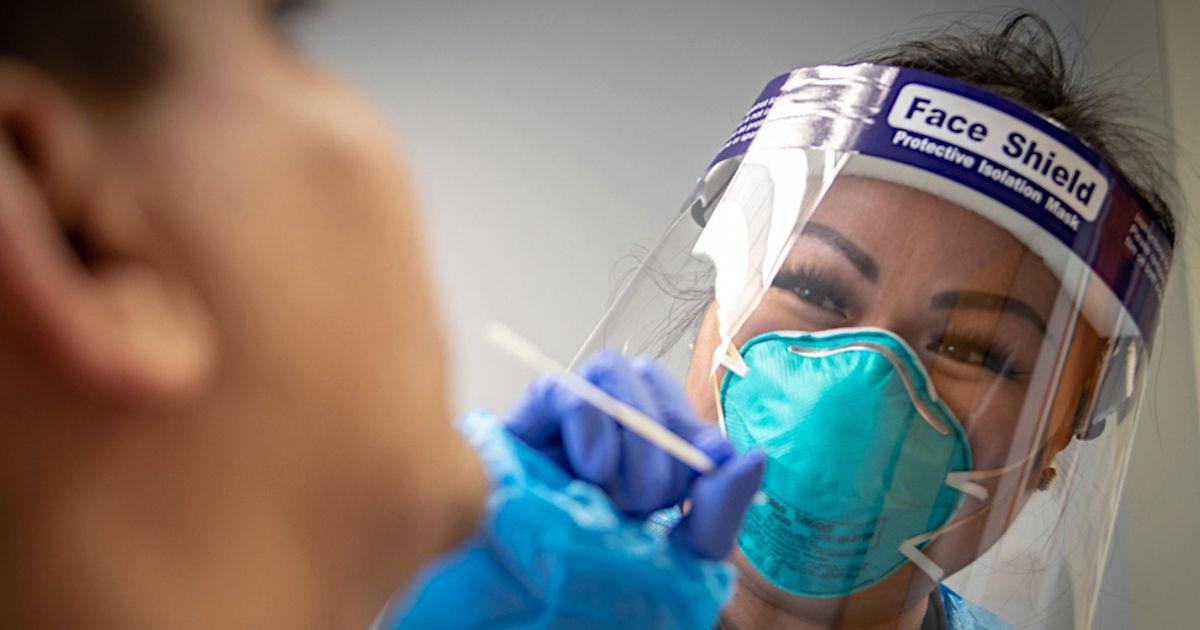
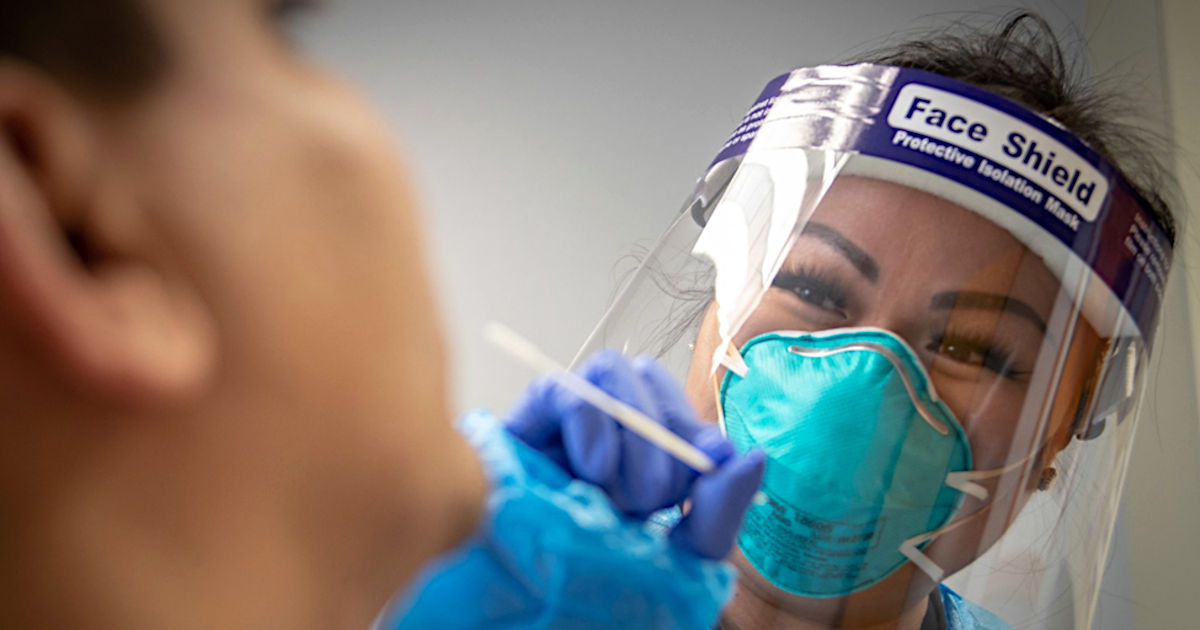
More than 250 million people worldwide have tested positive for SARS-CoV-2, usually after a diagnostic nose swab. Those swabs aren’t trash, once they’ve delivered their positive result, though. For scientists like us they carry additional valuable information about the coronavirus. Leftover material from swabs can help us uncover hidden aspects of the COVID-19 pandemic.


This article was
republished with permission from 
The Conversation, a news site dedicated to sharing ideas from academic
experts.  It was written by and represents the thoughts of
Claire Guinat, Postdoctoral Fellow in
Computational Evolution, Swiss Federal Institute of Technology Zurich,
Etthel Windels, Postdoctoral Fellow in
Computational Evolution, Swiss Federal Institute of Technology Zurich


Using what are called phylodynamic methods that can track a pathogen’s travels via changes in its genes, researchers are able to pinpoint factors like where and when outbreaks start, the number of undetected infections and common routes of transmission. Phylodynamics can also aid in understanding and tracking the spread of new pathogen variants, such as the recently detected omicron variant of SARS-CoV-2.


What’s in a Swab?

Pathogens, just like people, each have a genome. This is RNA or DNA that contains an organism’s genetic code – its instructions for life and the information necessary for reproduction.

It’s now relatively fast and cheap to sequence a pathogen’s genome. In Switzerland, a consortium of government and academic scientists that we’re a part of as already extracted viral genome sequences from almost 80,000 SARS-CoV-2 positive swab tests.

By lining up genetic sequences obtained from different patients, scientists can see which positions in the sequence differ. These differences represent mutations, small errors incorporated into the genome when the pathogen copies itself. We can use these mutational differences as clues to reconstruct chains of transmission and learn about epidemic dynamics along the way.


Phylodynamics:
Piecing Together Genetic Clues

Phylodynamic methods provide a way to describe how mutational differences relate to epidemic dynamics. These approaches allow researchers to get from the raw data about where mutations have occurred in the viral or bacterial genome to understanding all the implications. It might sound complicated, but it’s actually pretty easy to give an intuitive idea of how it works.

Mutations in the pathogen genome get passed from person to person in a transmission chain. Many pathogens acquire lots of mutations over the course of an epidemic. Scientists can summarize these mutational similarities and differences using what’s essentially a family tree for the pathogen. Biologists call it a phylogenetic tree. Each branching point represents a transmission event, when the pathogen moved from one person to another.
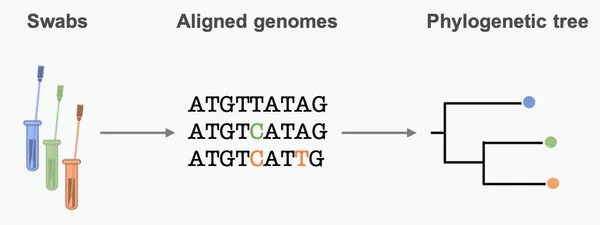
 

A phylogenetic tree is an approximation of the past transmission chain, based on variations in the pathogen’s genetic sequence. Guinat, Windels, Nadeau, CC BY-ND


The branch lengths are proportional to the number of differences between sequenced samples. Short branches mean little time between branching points – fast transmission from person to person. Studying the length of branches on this tree can tell us about pathogen spread in the past – maybe even before we knew an epidemic was on the horizon.
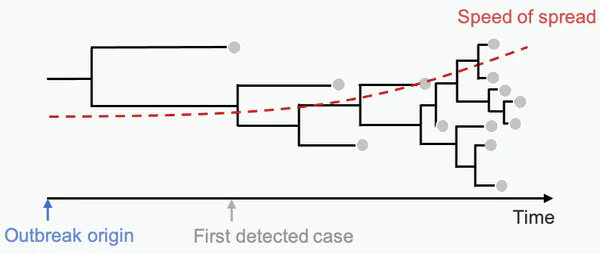
 

Pathogen genome sequences can be used to construct phylogenetic trees and estimate hidden epidemic dynamics. Shorter branches stand for quicker transmission. Guinat, Windels, Nadeau, CC BY-ND


Mathematical
Models of Disease Dynamics

Models, in general, are simplifications of reality. They try to describe core real-life processes with mathematical equations. In phylodynamics, these equations describe the relationship between epidemic processes and the phylogenetic tree.

Take, for example, tuberculosis. It’s the deadliest bacterial infection in the world, and it is getting even more threatening because of the widespread evolution of antibiotic resistance. If you catch an antibiotic-resistant version of the tuberculosis bacterium, treatment can take years.

To predict the future burden of resistant tuberculosis, we want to estimate how fast it spreads.
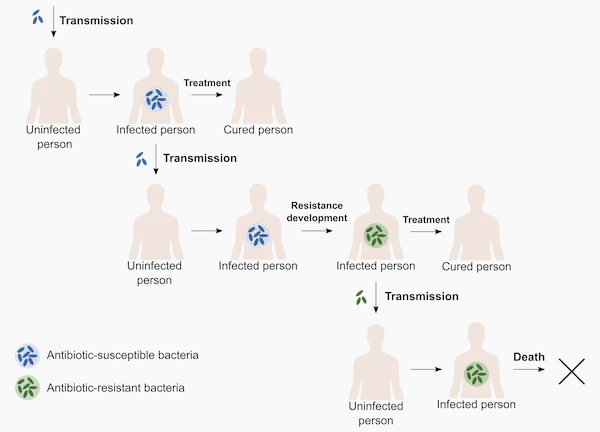
 

Epidemiologists work to track infections as the pathogen moves through a population. Guinat, Windels, Nadeau, CC BY-ND


To do this, we need a model that captures two important processes. First, there’s the course of infection, and second, there’s the development of antibiotic resistance. In real life, infected people can infect others, get treatment, and, in the end, either be cured or, in the worst case, die from the infection. On top of this, the pathogen can develop resistance.
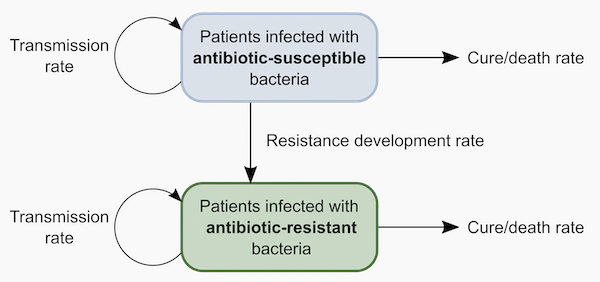
 

Phylodynamic models capture real-life epidemiological processes into mathematical equations and parameters. Guinat, Windels, Nadeau, CC BY-ND


We can translate these epidemiological processes into a mathematical model with two groups of patients – one group infected with normal tuberculosis and one with antibiotic-resistant tuberculosis. The important processes – transmission, recovery and death – can happen at different rates for each group. Finally, patients whose infection develops antibiotic resistance move from the first group to the second.

This model does ignore some aspects of tuberculosis outbreaks, such as asymptomatic infections or relapses after treatment. Even so, when applied to a set of tuberculosis genomes, this model helps us estimate how fast resistant tuberculosis spreads.


Capturing Hidden Aspects of Epidemics

Uniquely, phylodynamic approaches can help researchers answer questions in situations where diagnosed cases do not give the full picture. For example, what about the number of undetected cases or the source of a new epidemic?

A good example of this type of genome-based investigation is our recent work on highly pathogenic avian influenza (HPAI) H5N8 in Europe. This epidemic spread to poultry farms and wild birds across 30 European countries in 2016. In the end, tens of millions of birds were culled, devastating the poultry industry.

But were poultry farms or wild birds the real driver of spread? Obviously we cannot ask the birds themselves. Instead, phylodynamic modeling based on H5N8 genomes sampled from poultry farms and wild birds helped us get an answer. It turns out that in some countries the pathogen mainly spread from farm to farm, while in others it spread from wild birds to farms.

 

Phylodynamic models can estimate the number of avian influenza virus transmissions between wild birds and poultry. C. LeGall, CC BY-NC-ND


In the case of HPAI H5N8, we helped animal health authorities focus control efforts. In some countries this meant limiting transmission between poultry farms while in others limiting contact between domestic and wild birds.

More recently, phylodynamic analyses helped evaluate the impact of control strategies for SARS-CoV-2, including the first border closures and strict early lockdowns. A big advantage of phylodynamic modeling is that it can account for undetected cases. The models can even describe early stages of the outbreak in the absence of samples from that time period.

Phylodynamic models are under intensive development, continuously expanding the field to new applications and larger datasets. However, there are still challenges in extending genome sequencing efforts to undersampled species and regions and upholding rapid public data sharing. Ultimately, these data and models will help everyone gain new insights on epidemics and how to control them.


Suggested Reading:


Understanding the HealthCare Vaccine Mandate Injunction


There is More than Just a Covid Variant Weighing on Investors


Dip Buying in 2021 Has Consistently Paid-Off, is it Different this Time?


Protein Infused Chewing Gum Could Cut Spread of Covid 19 and Variants


Stay up to date. Follow us:

 

Release – Onconova Therapeutics Announces The Presentation Of Preliminary Clinical Data Providing Evidence Of Rigosertibs Activity In RDEB-Associated Squamous Cell Carcinoma


Onconova Therapeutics Announces The Presentation Of Preliminary Clinical Data Providing Evidence Of Rigosertib’s Activity In RDEB-Associated Squamous Cell Carcinoma


Initial single patient data in this ultra-rare indication show that rigosertib monotherapy led to sustained complete response of all target lesions without signs of metastatic disease

NEWTOWN, Pa., Dec. 02, 2021 (GLOBE NEWSWIRE) — Onconova Therapeutics, Inc. (NASDAQ: ONTX), a clinical-stage biopharmaceutical company focused on discovering and developing novel products for patients with cancer, today announced that early preliminary data from an investigator-initiated Phase 2 open label trial of rigosertib monotherapy in advanced squamous cell carcinoma complicating recessive dystrophic epidermolysis bullosa (RDEB-associated SCC) were presented at the Austrian Society of Dermatology and Venerology Annual Conference 2021, which took place from November 25 – 27, 2021.

RDEB is an ultra-rare condition caused by a lack of type VII collagen protein expression. Type VII collagen protein is responsible for anchoring the skin’s inner layer to its outer layer, and its absence leads to extreme skin fragility and chronic wound formation in RDEB patients. Over time, many of these patients develop squamous cell carcinomas (SCCs) that typically arise in areas of chronic skin wounding and inflammation. Preclinical investigations demonstrated overexpression of polo like kinase 1 (PLK1) in RDEB-associated SCC tumor cells. These tumors show a highly aggressive, early metastasizing course, making them the primary cause of death for these patients, with a cumulative risk of death of 70% and 78.7% by age 45 and 55, respectively1,2. These neoplasms show limited response rates of mostly short duration to conventional chemo- and radiotherapy as well as targeted therapy with epidermal growth factor and tyrosine kinase inhibitors1,3.

Data from the recent presentation are from a 24-year-old RDEB patient with a history of multiple, unresectable SCCs that were unresponsive to prior treatments including cemiplimab. Results showed that intravenously administered rigosertib had an acceptable safety profile and that the patient experienced sustained clinical and histological remission of all target lesions without signs of metastatic disease following 13 treatment cycles. The patient remains on study and the trial remains ongoing. The enrollment of additional patients is anticipated at sites in Salzburg, Austria; London, UK; and Philadelphia, Pennsylvania.

“Though the trial’s currently available data are from only a single patient, they represent an exciting and powerful finding that warrants further study,” said Andrew South Ph.D., Associate Professor, Department of Dermatology & Cutaneous Biology, Thomas Jefferson University. “RDEB-associated SCC is an indication with an extremely high unmet medical need, as it is invariably fatal with treatment options that have so far yielded disappointing results. The data generated in preclinical models suggesting rigosertib’s robust activity against PLK1 have now been confirmed in the clinic and suggest that rigosertib may play a role in other more common cancers driven by PLK1.”

The physicians caring for the patient, Dr. Bauer, Principal Investigator, and Dr. Laimer, Sponsor Medical Expert of the trial, added in a joint statement, “To see a complete response in a patient that has failed multiple prior therapies is highly encouraging and, together with preclinical data, suggests that rigosertib’s ability to inhibit PLK1 may position it as a novel treatment option that can significantly improve upon the current standard-of-care. We look forward to the further evaluation of this hypothesis through the continued advancement of the trial.”

A copy of the poster, titled “Rigosertib for locally advanced/metastatic EB-associated SCC,” is available on the “Scientific Presentations” section of the Onconova website.

References

  1. Mellerio et al. Br J Dermatol. 2016 Jan; 174(1):56-67. doi: 10.1111/bjd.14104.
  2. Fine et al. J Am Acad Dermatol. 2009 Feb; 60(2):203-11. doi: 10.1016/j.jaad.2008.09.035.
  3. Stratigos et al. Eur J Cancer. 2020 Mar;128:83-102. doi: 10.1016/j.ejca.2020.01.008.

About Onconova Therapeutics
Onconova Therapeutics is a clinical-stage biopharmaceutical company focused on discovering and developing novel products for patients with cancer. The Company has proprietary targeted anti-cancer agents designed to disrupt specific cellular pathways that are important for cancer cell proliferation.

Onconova’s novel, proprietary multi-kinase inhibitor narazaciclib (formerly ON 123300) is being evaluated in two separate and complementary Phase 1 dose-escalation and expansion studies. These trials are currently underway in the United States and China.

Onconova’s product candidate rigosertib is being studied in an investigator-initiated study program, including in a dose-escalation and expansion Phase 1/2a investigator-initiated study with oral rigosertib in combination with nivolumab for patients with KRAS+ non-small cell lung cancer.

For more information, please visit www.onconova.com.

Forward-Looking Statements
Some of the statements in this release are forward-looking statements within the meaning of Section 27A of the Securities Act of 1933, as amended, Section 21E of the Securities Exchange Act of 1934, as amended, and the Private Securities Litigation Reform Act of 1995, and involve risks and uncertainties. These statements relate to Onconova’s expectations regarding the timing of Onconova’s and investigator-initiated clinical development and data presentation plans, and the mechanisms and indications for Onconova’s product candidates. Onconova has attempted to identify forward-looking statements by terminology including “believes,” “estimates,” “anticipates,” “expects,” “plans,” “intends,” “may,” “could,” “might,” “will,” “should,” “preliminary,” “encouraging,” “approximately” or other words that convey uncertainty of future events or outcomes. Although Onconova believes that the expectations reflected in such forward-looking statements are reasonable as of the date made, expectations may prove to have been materially different from the results expressed or implied by such forward-looking statements. These statements are only predictions and involve known and unknown risks, uncertainties, and other factors, including the success and timing of Onconova’s clinical trials, investigator-initiated trials and regulatory agency and institutional review board approvals of protocols, Onconova’s collaborations, market conditions and those discussed under the heading “Risk Factors” in Onconova’s most recent Annual Report on Form 10-K and quarterly reports on Form 10-Q. Any forward-looking statements contained in this release speak only as of its date. Onconova undertakes no obligation to update any forward-looking statements contained in this release to reflect events or circumstances occurring after its date or to reflect the occurrence of unanticipated events.

Company Contact:
Avi Oler
Onconova Therapeutics, Inc.
267-759-3680
[email protected]
https://www.onconova.com/contact/

Investor Contact:
Bruce Mackle
LifeSci Advisors
929-469-3859
[email protected]