
Release – Cocrystal Pharma Reports Highly Favorable Safety and Tolerability Results from a Phase 1 Study with its Oral Antiviral CC-42344 for the Treatment of Pandemic and Seasonal Influenza A

Research, News, and Market Data on COCP

DECEMBER 19, 2022

BOTHELL, Wash., Dec. 19, 2022 (GLOBE NEWSWIRE) — Cocrystal Pharma, Inc. (Nasdaq: COCP) announces highly favorable safety and tolerability results for its orally administered replication inhibitor CC-42344 in its Phase 1 study. CC-42344 is a broad-spectrum antiviral for the treatment of pandemic and seasonal influenza A with a novel mechanism of action. The randomized, double-controlled Phase 1 study was conducted in Australia to evaluate the safety, tolerability and pharmacokinetics (PK) of CC-42344 given orally at single doses up to 800 mg and daily doses up to 14 days in 56 healthy volunteers.

Approximately 50% of the participants who received a single dose of CC-42344 across all dose levels (100 to 800 mg) experienced adverse events, similar to the proportion of placebo subjects who also experienced adverse events. In the multiple-dose section of the study, the incidence of adverse events was 67% for both CC-42344 (50 to 200 mg) and placebo. The vast majority of adverse events were mild in severity. The most frequently reported adverse event was headache, which occurred at similar rates in CC-42344-treated and placebo-treated participants. There were no serious adverse events or drug discontinuation due to adverse events. 

“We are encouraged by the highly favorable safety and tolerability results from this first-in-human study with CC-42344. These findings give us confidence to continue our clinical testing of this compound as a potential treatment for pandemic and seasonal influenza A,” said Sam Lee, Ph.D., Cocrystal’s President and co-interim CEO. “With these results our influenza A program has achieved a major milestone and we look forward to beginning a Phase 2a clinical study.”

Cocrystal plans to apply to the United Kingdom Medicines and Healthcare Products Regulatory Agency to conduct a Phase 2a human challenge study in early 2023. Subject to regulatory clearance, the study is expected to be initiated in the second half of 2023.

“On average about 8 percent of the U.S. population contracts influenza each season according to the Centers for Disease Control and Prevention. In addition to the health risk, influenza is responsible for approximately $10.4 billion in direct costs for hospitalizations and outpatient visits in the U.S. annually. We are highly focused on advancing CC-42344 through the clinical process and toward making a meaningful contribution to improving health and reducing the cost of care,” said James Martin, Cocrystal’s CFO and interim Co-CEO. 

About CC-42344
CC-42344 is an oral PB2 inhibitor discovered using Cocrystal’s proprietary structure-based drug discovery platform technology. It is specifically designed to be effective against all significant pandemic and seasonal influenza A strains and to have a high barrier to resistance due to the way the virus’ replication machinery is targeted. CC-42344 targets the influenza polymerase, an essential replication enzyme with several highly conserved regions common to multiple influenza strains. In vitro testing showed CC-42344’s excellent antiviral activity against influenza A strains, including pandemic and seasonal strains, as well as against strains resistant to Tamiflu® and Xofluza®, while also demonstrating favorable PK and safety profiles.

About Cocrystal Pharma, Inc.
Cocrystal Pharma, Inc. is a clinical-stage biotechnology company discovering and developing novel antiviral therapeutics that target the replication process of influenza viruses, coronaviruses (including SARS-CoV-2), hepatitis C viruses and noroviruses. Cocrystal employs unique structure-based technologies and Nobel Prize-winning expertise to create first- and best-in-class antiviral drugs. For further information about Cocrystal, please visit www.cocrystalpharma.com.

Cautionary Note Regarding Forward-Looking Statements
This press release contains forward-looking statements within the meaning of the Private Securities Litigation Reform Act of 1995, including statements regarding the potential of CC-42344 for the treatment of seasonal and pandemic influenza, and our expectations and plans to submit an application to the United Kingdom Medicines and Healthcare Products Regulatory Agency to conduct a Phase 2a human challenge study in early 2023 and to initiate the Phase 2a study in the second half of 2023. The words “believe,” “may,” “estimate,” “continue,” “anticipate,” “intend,” “should,” “plan,” “could,” “target,” “potential,” “is likely,” “will,” “expect” and similar expressions, as they relate to us, are intended to identify forward-looking statements. We have based these forward-looking statements largely on our current expectations and projections about future events. Some or all of the events anticipated by these forward-looking statements may not occur. Important factors that could cause actual results to differ from those in the forward-looking statements include, but are not limited to, the risks and uncertainties arising from any future impact of COVID-19 (including long-term or pervasive effects of the virus), inflation, interest rate increases and the war in Ukraine on the U.K. and global economy and on our Company, including supply chain disruptions and our continued ability to proceed with our programs, including our influenza A program, the ability of the contract research organization to recruit patients into clinical trials, the results of future preclinical and clinical studies, and general risks arising from clinical trials. Further information on our risk factors is contained in our filings with the SEC, including our Annual Report on Form 10-K for the year ended December 31, 2021. Any forward-looking statement made by us herein speaks only as of the date on which it is made. Factors or events that could cause our actual results to differ may emerge from time to time, and it is not possible for us to predict all of them. We undertake no obligation to publicly update any forward-looking statement, whether as a result of new information, future developments or otherwise, except as may be required by law.

Investor Contact:
LHA Investor Relations
Jody Cain
310-691-7100
jcain@lhai.com

Media Contact:
JQA Partners
Jules Abraham
917-885-7378
Jabraham@jqapartners.com

# # #

Source: Cocrystal Pharma, Inc.

Released December 19, 2022

Release – Tonix Pharmaceuticals Achieves Enrollment of First 50 Percent of Participants in the RESILIENT Study, a Potentially Pivotal Confirmatory Phase 3 Study of TNX-102 SL for the Management of Fibromyalgia

Research, News, and Market Data on TNXP

December 19, 2022 7:00am ESTDownload as PDF

Results from Planned Interim Analysis of First 50 Percent of Participants Expected Second Quarter 2023

Topline Results Expected Fourth Quarter 2023

Positive Outcome in RESILIENT, Together with Results from Previous Positive Phase 3 RELIEF Study, Would Support Submission of an NDA

CHATHAM, N.J., Dec. 19, 2022 (GLOBE NEWSWIRE) — Tonix Pharmaceuticals Holding Corp. (Nasdaq: TNXP) (Tonix or the Company), a clinical-stage biopharmaceutical company, today announced that the first 50% of participants have been randomized in the Phase 3 RESILIENT study of TNX-102 SL (cyclobenzaprine HCl sublingual tablets) 5.6 mg for the management of fibromyalgia. An interim analysis by an Independent Data Monitoring Committee (IDMC) of the first 50% of randomized participants for a potential sample size adjustment or early stop for futility is expected in the second quarter of 2023.

TNX-102 SL is in mid-Phase 3 development for the management of fibromyalgia, a chronic pain disorder that afflicts between 6 and 12 million adults in the U.S., of which 90 percent are women. Despite dissatisfaction with currently marketed products, no new treatment for fibromyalgia has been approved by the FDA since 2009.

In December 2020, Tonix reported positive results from the first Phase 3 study (RELIEF) of TNX-102 SL 5.6 mg for the management of fibromyalgia (primary endpoint, p=0.010). Several secondary measures in RELIEF highlighted the broad effects of TNX-102 SL across several cardinal symptoms of fibromyalgia beyond pain. In March 2022, Tonix reported results of a subsequent Phase 3 study (RALLY) in which TNX-102 SL did not achieve statistical significance on the primary endpoint (p=0.115). Relative to the previous positive Phase 3 study (RELIEF), RALLY had an unexpected increase in study participant adverse event-related discontinuations in both the drug and placebo groups. TNX-102 SL was generally well tolerated in both studies with an adverse event profile comparable to prior studies, and no new safety signals observed.

“We are pleased to have reached this important milestone in our ongoing development of TNX-102 SL for fibromyalgia. RESILIENT is a potentially pivotal and confirmatory Phase 3 study, and we look forward to the IDMC’s assessment of interim results in the second quarter of 2023,” said Seth Lederman, M.D., Chief Executive Officer of Tonix Pharmaceuticals. “Fibromyalgia is a complex syndrome in which many patients remain unsatisfied by existing treatment options. Approximately one-fourth of people with fibromyalgia resort to prescription opioids for analgesia1. TNX-102 SL is a centrally acting analgesic that has the potential to be a new non-addictive, non-opioid bedtime medication for the management of fibromyalgia with broad spectrum symptom coverage.”

1Sarmento, CVM, et al. (2019) “Opioid prescription patterns among patients with fibromyalgia.” J Opioid Manag. 15(6):469-477. doi: 10.5055/jom.2019.0537. PMID: 31850508

About the Phase 3 RESILIENT Study

The RESILIENT study is a double-blind, randomized, placebo-controlled trial designed to evaluate the efficacy and safety of TNX-102 SL (cyclobenzaprine HCl sublingual tablets) in the management of fibromyalgia. The two-arm trial is expected to enroll approximately 470 participants in the U.S. The first two weeks of treatment consist of a run-in period in which participants start on TNX-102 SL 2.8 mg (1 tablet) or placebo. Thereafter, all participants increase their dose to TNX-102 SL 5.6 mg (2 x 2.8 mg tablets) or two placebo tablets for the remaining 12 weeks. The primary endpoint is the daily diary pain severity score change (TNX-102 SL 5.6 mg vs. placebo) from baseline to Week 14 (using the weekly averages of the daily numerical rating scale scores), analyzed by mixed model repeated measures with multiple imputation. An interim analysis by an Independent Data Monitoring Committee will be conducted on the primary endpoint based on the first 50% of enrolled participants for a potential sample size adjustment or early stop for futility.

For more information, see ClinicalTrials.gov Identifier: NCT05273749.

About Fibromyalgia

Fibromyalgia is a chronic pain disorder that is understood to result from amplified sensory and pain signaling within the central nervous system. Fibromyalgia afflicts an estimated 6-12 million adults in the U.S., approximately 90% of whom are women. Symptoms of fibromyalgia include chronic widespread pain, nonrestorative sleep, fatigue, and morning stiffness. Other associated symptoms include cognitive dysfunction and mood disturbances, including anxiety and depression. Individuals suffering from fibromyalgia struggle with their daily activities, have impaired quality of life, and frequently are disabled. Physicians and patients report common dissatisfaction with currently marketed products.

About TNX-102 SL

TNX-102 SL is a patented sublingual tablet formulation of cyclobenzaprine hydrochloride which provides rapid transmucosal absorption and reduced production of a long half-life active metabolite, norcyclobenzaprine, due to bypass of first-pass hepatic metabolism. As a multifunctional agent with potent binding and antagonist activities at the 5-HT2A-serotonergic, α1-adrenergic, H1-histaminergic, and M1-muscarinic receptors, TNX-102 SL is in development as a daily bedtime treatment for fibromyalgia, PTSD, Long COVID (formally known as post-acute sequelae of COVID-19 [PASC]), alcohol use disorder and agitation in Alzheimer’s disease. The United States Patent and Trademark Office (USPTO) issued United States Patent No. 9636408 in May 2017, Patent No. 9956188 in May 2018, Patent No. 10117936 in November 2018, Patent No. 10,357,465 in July 2019, and Patent No. 10736859 in August 2020. The Protectic™ protective eutectic and Angstro-Technology™ formulation claimed in the patent are important elements of Tonix’s proprietary TNX-102 SL composition. These patents are expected to provide TNX-102 SL, upon NDA approval, with U.S. market exclusivity until 2034/2035.

Tonix Pharmaceuticals Holding Corp.*

Tonix is a clinical-stage biopharmaceutical company focused on discovering, licensing, acquiring and developing therapeutics to treat and prevent human disease and alleviate suffering. Tonix’s portfolio is composed of central nervous system (CNS), rare disease, immunology and infectious disease product candidates. Tonix’s CNS portfolio includes both small molecules and biologics to treat pain, neurologic, psychiatric and addiction conditions. Tonix’s lead CNS candidate, TNX-102 SL (cyclobenzaprine HCl sublingual tablet), is in mid-Phase 3 development for the management of fibromyalgia with a new Phase 3 study launched in the second quarter of 2022 and interim data expected in the second quarter of 2023. TNX-102 SL is also being developed to treat Long COVID, a chronic post-acute COVID-19 condition. Tonix initiated a Phase 2 study in Long COVID in the third quarter of 2022 and expects interim data in the third quarter of 2023. TNX-1300 (cocaine esterase) is a biologic designed to treat cocaine intoxication and has been granted Breakthrough Therapy designation by the FDA. A Phase 2 study of TNX-1300 is expected to be initiated in the first quarter of 2023. TNX-1900 (intranasal potentiated oxytocin), a small molecule in development for chronic migraine, is expected to enter the clinic with a Phase 2 study in the first quarter of 2023. TNX-601 ER (tianeptine hemioxalate extended-release tablets) is a once-daily formulation of tianeptine being developed as a potential treatment for major depressive disorder (MDD) with a Phase 2 study expected to be initiated in the first quarter of 2023. Tonix’s rare disease portfolio includes TNX-2900 (intranasal potentiated oxytocin) for the treatment of Prader-Willi syndrome. TNX-2900 has been granted Orphan Drug designation by the FDA. Tonix’s immunology portfolio includes biologics to address organ transplant rejection, autoimmunity and cancer, including TNX-1500, which is a humanized monoclonal antibody targeting CD40-ligand (CD40L or CD154) being developed for the prevention of allograft and xenograft rejection and for the treatment of autoimmune diseases. A Phase 1 study of TNX-1500 is expected to be initiated in the first half of 2023. Tonix’s infectious disease pipeline consists of a vaccine in development to prevent smallpox and monkeypox, next-generation vaccines to prevent COVID-19, and a platform to make fully human monoclonal antibodies to treat COVID-19. TNX-801, Tonix’s vaccine in development to prevent smallpox and monkeypox, also serves as the live virus vaccine platform or recombinant pox vaccine (RPV) platform for other infectious diseases. A Phase 1 study of TNX-801 is expected to be initiated in Kenya in the second half of 2023. Tonix’s lead vaccine candidate for COVID-19 is TNX-1850, a live virus vaccines based on Tonix’s recombinant pox live virus vector vaccine platform.

*All of Tonix’s product candidates are investigational new drugs or biologics and have not been approved for any indication.

This press release and further information about Tonix can be found at www.tonixpharma.com.

Forward Looking Statements

Certain statements in this press release are forward-looking within the meaning of the Private Securities Litigation Reform Act of 1995. These statements may be identified by the use of forward-looking words such as “anticipate,” “believe,” “forecast,” “estimate,” “expect,” and “intend,” among others. These forward-looking statements are based on Tonix’s current expectations and actual results could differ materially. There are a number of factors that could cause actual events to differ materially from those indicated by such forward-looking statements. These factors include, but are not limited to, risks related to the failure to obtain FDA clearances or approvals and noncompliance with FDA regulations; delays and uncertainties caused by the global COVID-19 pandemic; risks related to the timing and progress of clinical development of our product candidates; our need for additional financing; uncertainties of patent protection and litigation; uncertainties of government or third party payor reimbursement; limited research and development efforts and dependence upon third parties; and substantial competition. As with any pharmaceutical under development, there are significant risks in the development, regulatory approval and commercialization of new products. Tonix does not undertake an obligation to update or revise any forward-looking statement. Investors should read the risk factors set forth in the Annual Report on Form 10-K for the year ended December 31, 2021, as filed with the Securities and Exchange Commission (the “SEC”) on March 14, 2022, and periodic reports filed with the SEC on or after the date thereof. All of Tonix’s forward-looking statements are expressly qualified by all such risk factors and other cautionary statements. The information set forth herein speaks only as of the date thereof.

Contacts

Jessica Morris (corporate)
Tonix Pharmaceuticals
investor.relations@tonixpharma.com
(862) 904-8182

Olipriya Das, Ph.D. (media)
Russo Partners
Olipriya.Das@russopartnersllc.com
(646) 942-5588

Peter Vozzo (investors)
ICR Westwicke
peter.vozzo@westwicke.com
(443) 213-0505

Source: Tonix Pharmaceuticals Holding Corp.

Released December 19, 2022

Release – Schwazze Brings Total Retail Dispensary Count To 40; Announces Completion Of Lightshade Labs LLC Transaction In Colorado And An Additional R.Greenleaf Store Opening In New Mexico

Research, News, and Market Data on SHWZ

DENVER, Dec. 19, 2022 /CNW/ – Medicine Man Technologies operating as Schwazze, (OTCQX: SHWZ) (NEO: SHWZ) (“Schwazze” or the “Company”), a premier vertically integrated, multi-state operating cannabis company with assets in Colorado and New Mexico, reaches company milestone of 40 dispensaries across both states. On December 15th, Schwazze closed the transaction to acquire certain assets of Lightshade Labs LLC (“Lightshade”).  The transaction included the adult use Lightshade dispensaries located at 503 Havana St. in Aurora, as well as 2215 E. Mississippi Ave. in Denver’s vibrant Washington Park neighborhood. The consideration for the acquisition was US$2.75 million which was paid as all cash.

On the same day, Schwazze’s New Mexico retail banner, R.Greenleaf, located in Albuquerque, New Mexico opened yet another adult-use dispensary – the fifth in 90 days.  The newest location at 110 Yale Blvd SE in Albuquerque officially opened its doors for business on December 15th. Store operating hours are 9a to 9p Monday through Saturday; 9a to 8p on Sunday. 

The R.Greenleaf  Yale store opening continues the deliberate expansion throughout the state of New Mexico. This brings R.Greenleaf’s total number of New Mexico retail dispensaries to 15. All locations serve the needs of medical patients as well as recreational adult-use consumers.

R.Greenleaf Yale will offer introductory pricing on flower, edibles, and vapes. Enrollment in the Gratify Rewards customer loyalty program is already open.

Newest ABQ Store Location

R.Greenleaf Yale
110 Yale Blvd SE
Albuquerque, New Mexico 87106

“Schwazze is excited to reach this company milestone of 40 retail stores across both the Colorado and New Mexico markets, said Nirup Krishnamurthy, President of Schwazze. Our team has worked extremely hard in 2022 to reach this major milestone. We are committed to extending exceptional customer service and wide product selections to all of our customers across Star Buds, Emerald Fields and R.Greenleaf retail banners.”

Since April 2020, Schwazze has acquired, opened or announced the planned acquisition of 40 cannabis retail dispensaries as well as seven cultivation facilities and two manufacturing plants in Colorado and New Mexico. In May 2021, Schwazze announced its Biosciences division and in August 2021 it commenced home delivery services in Colorado.

About Schwazze

Schwazze (OTCQX: SHWZ  NEO: SHWZ) is building a premier vertically integrated regional cannabis company with assets in Colorado and New Mexico and will continue to take its operating system to other states where it can develop a differentiated regional leadership position. Schwazze is the parent company of a portfolio of leading cannabis businesses and brands spanning seed to sale. The Company is committed to unlocking the full potential of the cannabis plant to improve the human condition. Schwazze is anchored by a high-performance culture that combines customer-centric thinking and data science to test, measure, and drive decisions and outcomes. The Company’s leadership team has deep expertise in retailing, wholesaling, and building consumer brands at Fortune 500 companies as well as in the cannabis sector. Schwazze is passionate about making a difference in our communities, promoting diversity and inclusion, and doing our part to incorporate climate-conscious best practices.

Medicine Man Technologies, Inc. was Schwazze’s former operating trade name. The corporate entity continues to be named Medicine Man Technologies, Inc. Schwazze derives its name from the pruning technique of a cannabis plant to enhance plant structure and promote healthy growth.

Forward-Looking Statements

This press release contains “forward-looking statements.” Such statements may be preceded by the words “plan,” “will,” “may,” “continue,” “predicts,” or similar words. Forward-looking statements are not guarantees of future events or performance, are based on certain assumptions, and are subject to various known and unknown risks and uncertainties, many of which are beyond the Company’s control and cannot be predicted or quantified. Consequently, actual events and results may differ materially from those expressed or implied by such forward-looking statements. Such risks and uncertainties include, without limitation, risks and uncertainties associated with (i) our inability to manufacture our products and product candidates on a commercial scale on our own or in collaboration with third parties; (ii) difficulties in obtaining financing on commercially reasonable terms; (iii) changes in the size and nature of our competition; (iv) loss of one or more key executives or scientists; (v) difficulties in securing regulatory approval to market our products and product candidates; (vi) our ability to successfully execute our growth strategy in Colorado and outside the state, (vii) our ability to consummate the acquisition described in this press release or to identify and consummate future acquisitions that meet our criteria, (viii) our ability to successfully integrate acquired businesses, including the acquisition described in this press release, and realize synergies therefrom, (ix) the ongoing COVID-19 pandemic, * the timing and extent of governmental stimulus programs, and (xi) the uncertainty in the application of federal, state and local laws to our business, and any changes in such laws. More detailed information about the Company and the risk factors that may affect the realization of forward-looking statements is set forth in the Company’s filings with the Securities and Exchange Commission (SEC), including the Company’s Annual Report on Form 10-K and its Quarterly Reports on Form 10-Q. Investors and security holders are urged to read these documents free of charge on the SEC’s website at http://www.sec.gov. The Company assumes no obligation to publicly update or revise its forward-looking statements as a result of new information, future events or otherwise except as required by law.

View original content to download multimedia:https://www.prnewswire.com/news-releases/schwazze-brings-total-retail-dispensary-count-to-40-announces-completion-of-lightshade-labs-llc-transaction-in-colorado-and-an-additional-rgreenleaf-store-opening-in-new-mexico-301705585.html

SOURCE Schwazze

Release – Ocugen Announces Phase 3 Confirmatory Clinical Trial Agreement for Neocart®

Research, News, and Market Data on OCGN

December 16, 2022

IMPORTANT NEXT STEP FOR OCUGEN’S REGENERATIVE CELL THERAPY IN ORTHOPEDICS SINCE ANNOUNCING PIPELINE EXPANSION IN MAY 2022

MALVERN, Pa., Dec. 16, 2022 (GLOBE NEWSWIRE) — Ocugen, Inc. (Ocugen or the Company) (NASDAQ: OCGN), a biotechnology company focused on discovering, developing, and commercializing novel gene and cell therapies and vaccines, today announced that the U.S. Food & Drug Administration (FDA) agreed to Ocugen’s proposed control and overall design for the Phase 3 study of NeoCart®, a regenerative cell therapy for the repair of full-thickness lesions of the knee cartilage in adults.

“We are eager to get started on the final phase of NeoCart® development and pleased at the outcome of our discussions with the FDA,” said Dr. Shankar Musunuri, Chairman, Chief Executive Officer, and Co-Founder of Ocugen. “With this guidance, Ocugen has a clear path forward for the first candidate in our regenerative cell therapy program.”

The Phase 3 study will be a randomized, controlled trial to demonstrate the superiority over standard of care, chondroplasty, in subjects with articular cartilage defects. Ocugen plans to enroll subjects with one or two articular cartilage lesions with a total surface area of 1-3 cm2.

Ocugen is building a current Good Manufacturing Practice cell therapy manufacturing facility to support establishment of the clinical and commercial manufacturing process for NeoCart®. The Company plans to file an Investigational New Drug amendment to initiate a Phase 3 clinical trial in late 2023/early 2024.

Earlier this year, the FDA granted a regenerative medicine advanced therapy (RMAT), designation to NeoCart®. NeoCart® combines breakthroughs in bioengineering and cell processing to enhance the autologous cartilage repair process by merging a patient’s own cells with a fortified 3-D scaffold designed to accelerate healing and reduce pain.

About Ocugen, Inc.
Ocugen, Inc. is a biotechnology company focused on discovering, developing, and commercializing novel gene and cell therapies and vaccines that improve health and offer hope for patients across the globe. We are making an impact on patient’s lives through courageous innovation—forging new scientific paths that harness our unique intellectual and human capital. Our breakthrough modifier gene therapy platform has the potential to treat multiple retinal diseases with a single product, and we are advancing research in infectious diseases to support public health and orthopedic diseases to address unmet medical needs. Discover more at www.ocugen.com and follow us on Twitter and LinkedIn.

Cautionary Note on Forward-Looking Statements
This press release contains forward-looking statements within the meaning of The Private Securities Litigation Reform Act of 1995, which are subject to risks and uncertainties. We may, in some cases, use terms such as “predicts,” “believes,” “potential,” “proposed,” “continue,” “estimates,” “anticipates,” “expects,” “plans,” “intends,” “may,” “could,” “might,” “will,” “should,” or other words that convey uncertainty of future events or outcomes to identify these forward-looking statements. Such statements are subject to numerous important factors, risks, and uncertainties that may cause actual events or results to differ materially from our current expectations. These and other risks and uncertainties are more fully described in our periodic filings with the Securities and Exchange Commission (SEC), including the risk factors described in the section entitled “Risk Factors” in the quarterly and annual reports that we file with the SEC. Any forward-looking statements that we make in this press release speak only as of the date of this press release. Except as required by law, we assume no obligation to update forward-looking statements contained in this press release whether as a result of new information, future events, or otherwise, after the date of this press release.

Contact:
Tiffany Hamilton
Head of Communications
IR@ocugen.com

Release – Ocugen Announces Ocu400 Receives Orphan Drug Designations for Retinitis Pigmentosa and Leber Congenital Amaurosis

Research, News, and Market Data on OCGN

December 15, 2022

U.S. FOOD & DRUG ADMINISTRATION (FDA) ACKNOWLEDGES THE POTENTIAL OF OCU400 TO TREAT RARE INHERITED RETINAL DISEASES

MALVERN, Pa., Dec. 15, 2022 (GLOBE NEWSWIRE) — Ocugen, Inc. (Ocugen or the Company) (NASDAQ: OCGN), a biotechnology company focused on discovering, developing, and commercializing novel gene and cell therapies and vaccines, today announced that the FDA granted orphan drug designations to OCU400—human nuclear hormone receptor subfamily 2 group E member 3 (hNR2E3)—for the treatment of retinitis pigmentosa (RP) and Leber congenital amaurosis (LCA).

“Receiving orphan drug designation is incredibly encouraging at this stage in the development of OCU400,” said Arun Upadhyay, PhD, Chief Scientific Officer, Ocugen. “We are excited by the potential of OCU400, a nuclear hormone-based modifier gene therapy product, to treat RP and LCA in a gene agnostic manner. We look forward to working collaboratively with the FDA and other agencies to progress OCU400 through clinical development to commercialization.”

Orphan drug designation is a status given to certain drugs that show promise in the treatment, prevention, or diagnosis of orphan diseases. An orphan disease is a rare disease or condition that affects fewer than 200,000 people in the United States.

Currently, RP is associated with mutations in more than 100 genes, affecting approximately 110,000 people in the United States (U.S.). LCA is associated with mutations in more than 25 genes, affecting approximately 10,000 people in the U.S. There are currently no treatment options available for patients living with RP and LCA, and OCU400 has the potential to treat both with a single product.

OCU400 represents Ocugen’s modifier gene therapy approach, which is based on Nuclear Hormone Receptors (NHRs) that regulate diverse physiological functions, such as homeostasis, reproduction, development, and metabolism to potentially improve retinal health and function.

About Ocugen, Inc.
Ocugen, Inc. is a biotechnology company focused on discovering, developing, and commercializing novel gene and cell therapies and vaccines that improve health and offer hope for patients across the globe. We are making an impact on patient’s lives through courageous innovation—forging new scientific paths that harness our unique intellectual and human capital. Our breakthrough modifier gene therapy platform has the potential to treat multiple retinal diseases with a single product, and we are advancing research in infectious diseases to support public health and orthopedic diseases to address unmet medical needs. Discover more at www.ocugen.com and follow us on Twitter and LinkedIn.

Cautionary Note on Forward-Looking Statements
This press release contains forward-looking statements within the meaning of The Private Securities Litigation Reform Act of 1995, which are subject to risks and uncertainties. We may, in some cases, use terms such as “predicts,” “believes,” “potential,” “proposed,” “continue,” “estimates,” “anticipates,” “expects,” “plans,” “intends,” “may,” “could,” “might,” “will,” “should,” or other words that convey uncertainty of future events or outcomes to identify these forward-looking statements. Such statements are subject to numerous important factors, risks, and uncertainties that may cause actual events or results to differ materially from our current expectations. These and other risks and uncertainties are more fully described in our periodic filings with the Securities and Exchange Commission (SEC), including the risk factors described in the section entitled “Risk Factors” in the quarterly and annual reports that we file with the SEC. Any forward-looking statements that we make in this press release speak only as of the date of this press release. Except as required by law, we assume no obligation to update forward-looking statements contained in this press release whether as a result of new information, future events, or otherwise, after the date of this press release.

Contact:
Tiffany Hamilton
Head of Communications
IR@ocugen.com

Axcella Therapeutics (AXLA) – Down But Not Out After Restructuring


Friday, December 16, 2022

Axcella is a clinical-stage biotechnology company pioneering a new approach to treat complex diseases using compositions of endogenous metabolic modulators (EMMs). The company’s product candidates are comprised of EMMs and derivatives that are engineered in distinct combinations and ratios to restore cellular homeostasis in multiple key biological pathways and improve cellular energetic efficiency. Axcella’s pipeline includes lead therapeutic candidates in Phase 2 development for the treatment of Long COVID and non-alcoholic steatohepatitis (NASH), and the reduction in risk of overt hepatic encephalopathy (OHE) recurrence. The company’s unique model allows for the evaluation of its EMM compositions through non-IND clinical studies or IND clinical trials. For more information, please visit www.axcellatx.com.

Robert LeBoyer, Vice President, Research Analyst, Life Sciences , Noble Capital Markets, Inc.

Refer to the full report for the price target, fundamental analysis, and rating.

Axcella Restructures and Reprioritizes Operations. Axcella has announced a corporate restructuring with changes to its development plans for AXA1125. The Phase 2b trial in NASH has been discontinued while the Long COVID Fatigue indication will move forward. Staff has been reduced by 85%. These actions should allow the operations to continue as strategic alternatives are evaluated.

Focus On Long COVID Fatigue. In August 2022, Axcella announced Phase 2a trial data for AXA1125 in Long COVID Fatigue patients, with data showing promising improvements in physical and mental fatigue. The company plans to continue discussions with the FDA and European regulators to design the next trial and requirements for an application for approval.


Get the Full Report

Equity Research is available at no cost to Registered users of Channelchek. Not a Member? Click ‘Join’ to join the Channelchek Community. There is no cost to register, and we never collect credit card information.

This Company Sponsored Research is provided by Noble Capital Markets, Inc., a FINRA and S.E.C. registered broker-dealer (B/D).

*Analyst certification and important disclosures included in the full report. NOTE: investment decisions should not be based upon the content of this research summary. Proper due diligence is required before making any investment decision. 

Synthetic Biology Creating T Cells to Destroy Cancers

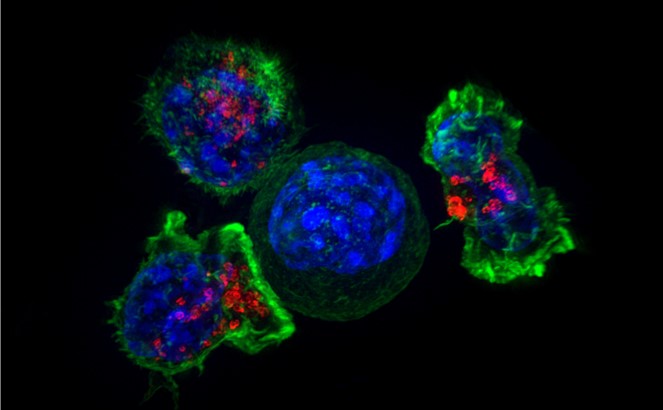
Image: Killer T Cells Surround Cancer Cell – NICHD (Flickr)

Anti-Cancer CAR-T Therapy Reengineers T-cells to Kill Tumors – and Researchers are Expanding the Limited Types of Cancer it Can Target

Teaching the body’s immune cells to recognize and fight cancer is one of the holy grails in medicine. Over the past two decades, researchers have developed new immunotherapy drugs that stimulate a patient’s immune cells to significantly shrink or even eliminate tumors. These treatments often focus on increasing the cancer-killing ability of cytotoxic T cells. However, these treatments appear to only work for the small group of patients who already have T cells within their tumors. One 2019 study estimated that under 13% of cancer patients responded to immunotherapy.

To bring the benefits of immunotherapy to more patients, scientists have turned to synthetic biology, a new field of study that seeks to redesign nature with new and more useful functions. Researchers have been developing a novel type of therapy that directly gives patients a new set of T cells engineered to attack tumors: chimeric antigen receptor T cells, or CAR-T cells for short.

This article was republished with permission from The Conversation, a news site dedicated to sharing ideas from academic experts. It represents the research-based findings and thoughts of, Gregory Allen, Assistant Professor of Medicine, the University of California, San Francisco.

As an oncology physician and researcher, I believe that CAR-T cell therapy has the potential to transform cancer treatment. It’s already being used to treat lymphoma and multiple myeloma, and has shown remarkable response rates where other treatments have failed.

However, similar success against certain types of tumors such as lung or pancreatic cancer has been slower to develop because of the unique obstacles they put up against T cells. In our newly published research, my colleagues and I have found that adding a synthetic circuit to CAR-T cells could potentially help them bypass the barriers that tumors put up and enhance their ability to eliminate more types of cancer.

How Does CAR-T Cell Therapy Work?

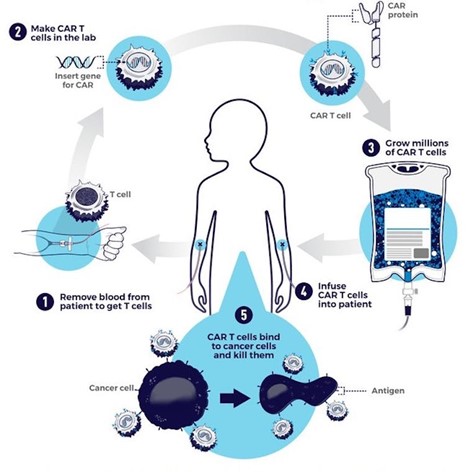
CAR-T cell therapy starts with doctors isolating a patient’s T cells from a sample of their blood. These T cells are then taken back to the lab, where they are genetically engineered to produce a chimeric antigen receptor, or CAR.

CARs are synthetic receptors specifically designed to redirect T cells from their usual targets have them recognize and hone in on tumor cells. On the outside of a CAR is a binder that allows the T cell to stick to tumor cells. Binding to a tumor cell activates the engineered T cell to kill and produce inflammatory cytokines proteins that support T cell growth and function and boost their cancer-killing

CAR-T therapy involves engineering a patient’s own T cells to attack their cancer. National Cancer Institute (NCI)

These CAR-T cells are then stimulated to divide into large numbers over seven to 10 days, then given back to the patient via infusion. The infusion process usually takes place at a hospital where clinicians can monitor for signs of an overactive immune response against tumors, which can be deadly for the patient.

Driving T Cells Into Solid Tumors

While CAR-T cell therapy has seen success in blood cancers, it has faced hurdles when fighting what are called solid tumor cancers like pancreatic cancer and melanoma. Unlike cancers that begin in the blood, these types of cancers grow into a solid mass that produces a microenvironment of molecules, cells and structures that prevent T cells from entering into the tumor and triggering an immune response. Here, even CAR-T cells engineered to specifically target a patient’s unique tumor are unable to access it, suppressing their ability to kill tumor cells.

For the synthetic biology community, the failures of the first generation of CAR-T cell therapy was a call to action to develop a new family of synthetic receptors to tackle the unique challenges solid tumors posed. In 2016, my colleagues in the Lim Lab at the University of California, San Francisco developed a new synthetic receptor that could complement the first CAR design. This receptor, called synthetic Notch receptor, or synNotch, is based on the natural form of Notch in the body, which plays an important role in organ development across many species.

Similar to CARs, the outside of synNotch has a binder that allows T cells to stick to tumor cells. Unlike CARs, the inside of synNotch has a protein that is released when a T cell binds to the tumor. This protein, or transcription factor, allows researchers to better control the T cell by inducing it to produce a specific protein.

For example, one of the most useful applications of synNotch thus far has been to use it to ensure that engineered T cells are only activated when bound to a tumor cell and not healthy cells. Because a CAR may bind to both tumor and healthy cells and induce T cells to kill both, my colleagues engineered T cells that are only activated when both synNotch and CAR are bound to the tumor cell. Because T cells now require both CAR and synNotch receptors to recognize tumors, this increases the precision of T cell killing.

We wondered if we could use synNotch to improve CAR-T cell activity against solid tumors by inducing them to produce more of the inflammatory cytokines, such as IL-2, that enable them to kill tumor cells. Researchers have made many attempts to provide extra IL-2 to help CAR-T cells clear tumors. But because these cytokines are highly toxic, there is a limit to how much IL-2 a patient can safely tolerate, limiting their use as a drug.

So we designed CAR-T cells to produce IL-2 using synNotch. Now, when a CAR-T cell encounters a tumor, it produces IL-2 within the tumor instead of outside it, avoiding causing harm to surrounding healthy cells. Because synNotch is able to bypass the barriers tumors put up, it is able to help T cells amp up and maintain the amount of IL-2 they can make, allowing the T cells to keep functioning even in a hostile microenvironment.

We tested our CAR-T cells modified with synNotch on mice with pancreatic cancer and melanoma. We found that CAR-T cells with synNotch-induced IL-2 were able to produce enough extra IL-2 to overcome the tumors’ defensive barriers and fully activate, completely eliminating the tumors. While all of the mice receiving synNotch modified CAR-T cells survived, none of the CAR-T-only mice did.

Furthermore, our synNotch modified CAR-T cells were able to trigger IL-2 production without causing toxicity to healthy cells in the rest of the body. This suggests that our method of engineering T cells to produce this toxic cytokine only where it is needed can help improve the effectiveness of CAR-T cells against cancer while reducing side effects.

Next Steps

Fundamental questions remain on how this work in mice will translate to people. Our group is currently conducting more studies on using CAR-T cells with synNotch to produce IL-2, with the goal of entering early stage clinical trials to examine its safety and efficacy in patients with pancreatic cancer.

Our findings are one example of how advances in synthetic biology make it possible to engineer solutions to the most fundamental challenges in medicine.

Release – BioSig’s PURE EP™ System Demonstrates Potential Time and Cost Savings at the 15th APHRS Scientific Session in Singapore

Research, News, and Market Data on BSGM

December 14, 2022

Abstract highlights promising results from PURE EP™ study at premier Asia-Pacific Heart Rhythm Society Conference

Westport, CT, Dec. 14, 2022 (GLOBE NEWSWIRE) — BioSig Technologies, Inc. (NASDAQ: BSGM) (“BioSig” or the “Company”), an advanced digital signal processing technology company delivering unprecedented accuracy and precision to intracardiac signal visualization with its proprietary PURE EP™ System, today announced that its PURE EP™ System was featured in an abstract presentation during the 15th Asia Pacific Heart Rhythm Society (APHRS) Scientific Session in Singapore.

Results from the randomized study reveal the PURE EP™ System’s potential to promote shorter procedural times and higher cost savings during catheter ablations. The study enrolled 29 patients with non-paroxysmal AF with post-ablation arrhythmia recurrence (“redo AF”). The primary objective was to determine the difference in procedural times when comparing ablations guided by PURE EP™’s electrocardiogram (EGM) visualization to the conventional ECG recording system. Study results demonstrated that the PURE EP™ System led to a mean procedure time reduction of 11.3 minutes. Given that the mean cost of operating room time is approximately $37 per minute1, the procedural time savings demonstrated by the PURE EP™ System suggest potential cost savings of approximately $418.10 per procedure. While this suggests that PURE EP™ might promote shorter procedural times, further studies are underway. 

The abstract titled, Reduced Time of Redo Atrial Fibrillation Ablation Procedures with PURE EP™ Recording System for ECG/EGM Visualization: A Randomized Study,” was presented as a poster presentation by Dr. G. Joseph Gallinghouse, Cardiac Electrophysiologist at St. David’s Medical Center in Austin, TX.

 “With over 75,000 AF ablations performed in the US each year2 the ability to demonstrate that PURE EP™ may reduce procedure times resulting in potential healthcare cost savings is a landmark milestone for the overarching value proposition of our technology,” said Gray Fleming, Chief Commercialization Officer, BioSig Technologies, Inc. “We believe a hospital can generate a meaningful return on investment in the first year of ownership of a PURE EP™ System. Additional studies demonstrating compelling clinical and economic value of the PURE EP™ System are in motion and we are looking forward to sharing these insights with the EP and healthcare community in the near future.”  

APHRS 2022 represents the Company’s first abstract presentation at an international conference. It also marks the first physician-sponsored presentation unveiling clinical data from the Company’s REDO AF Sub Study, initiated in July 2021. [ClinicalTrials.gov Identifier: NCT04964440]. 

About APHRS  
The APHRS is a leading non-profit organization that represents medical, allied health, and science professionals specializing in cardiac rhythm disorders in the Asia-Pacific region. The annual Asia Pacific Heart Rhythm Society (APHRS) is a premier event featuring industry workshops and a core scientific program delivered by international and regional speakers.  

About BioSig Technologies 
BioSig Technologies is an advanced digital signal processing technology company bringing never-before-seen insights to the treatment of cardiovascular arrhythmias. Through collaboration with physicians, experts, and healthcare leaders across the field of electrophysiology (EP), BioSig is committed to addressing healthcare’s biggest priorities — saving time, saving costs, and saving lives. 
The Company’s first product, the PURE EP™ System, an FDA 510(k) cleared non-invasive class II device, provides superior, real-time signal visualization allowing physicians to perform insight-based, highly targeted cardiac ablation procedures with increased procedural efficiency and efficacy. 
The PURE EP™ System is currently in a national commercial launch and an integral part of well-respected healthcare systems, such as Mayo Clinic, Texas Cardiac Arrhythmia Institute, Cleveland Clinic, and Kansas City Heart Rhythm Institute. In a blinded clinical study recently published in the Journal of Cardiovascular Electrophysiology, electrophysiologists rated PURE EP™ as equivalent or superior to conventional systems for 93.6% of signal samples, with 75.2% earning a superior rating. 
The global EP market is projected to reach $16B in 2028 with a 11.2% growth rate.


Forward-looking Statements 
This press release contains “forward-looking statements.” Such statements may be preceded by the words “intends,” “may,” “will,” “plans,” “expects,” “anticipates,” “projects,” “predicts,” “estimates,” “aims,” “believes,” “hopes,” “potential” or similar words. Forward- looking statements are not guarantees of future performance, are based on certain assumptions and are subject to various known and unknown risks and uncertainties, many of which are beyond the Company’s control, and cannot be predicted or quantified and consequently, actual results may differ materially from those expressed or implied by such forward-looking statements. Such risks and uncertainties include, without limitation, risks and uncertainties associated with (i) market conditions and the Company’s intended use of proceeds; (ii) the geographic, social and economic impact of COVID-19 on our ability to conduct our business and raise capital in the future when needed; (iii) our inability to manufacture our products and product candidates on a commercial scale on our own, or in collaboration with third parties; (iv) difficulties in obtaining financing on commercially reasonable terms; (v) changes in the size and nature of our competition; (vi) loss of one or more key executives or scientists; and (vii) difficulties in securing regulatory approval to market our products and product candidates. More detailed information about the Company and the risk factors that may affect the realization of forward-looking statements is set forth in the Company’s filings with the Securities and Exchange Commission (SEC), including the Company’s Annual Report on Form 10-K and its Quarterly Reports on Form 10-Q. Investors and security holders are urged to read these documents free of charge on the SEC’s website at http://www.sec.gov. The Company assumes no obligation to publicly update or revise its forward-looking statements as a result of new information, future events or otherwise. 

1. Kawasaki K. Megan, Cleary J. David, Correa de Sa D. Daniel, Calame R. Susan, Dillon M. Christopher, Tsai H. Mitchell, (2019) Abstract 9552: Understanding the Costs Associated with Cardiac Ablations. Circulation, 2019;140:A9552. www.ahajournals.org/doi/10.1161/circ.140.suppl_1.9552

2. “Late-Breaking Clinical Trials II: Innovation Boulevard: Pulsed AF: First Human Experience and Acute Procedural Outcomes Using A Novel Pulsed Field Ablation System” [Friday, May 8, 2020 at 11:00 a.m. EST]

3.  Global Market Insights Inc. March 08, 2022.

Andrew Ballou
BioSig Technologies, Inc.
Vice President, Investor Relations
55 Greens Farms Road, 1st Floor
Westport, CT 06880
aballou@biosigtech.com
203-409-5444, x133
 

Source: BioSig Technologies, Inc.

Released December 14, 2022

Release – Genprex Receives Safety Review Committee Approval to Proceed to Final Cohort in Acclaim-1 Phase 1 Dose Escalation Trial of REQORSA® in Combination with Tagrisso® in Advanced Non-Small Cell Lung Cancer

Research, News, and Market Data on GNPX

December 14, 2022

Recommendation to Advance to Increased Dose in Third and Final Cohort of Phase 1 Portion of Trial Indicates Favorable Safety Profile of Novel Gene Therapy in Solid Tumor Cancer

AUSTIN, Texas — (December 14, 2022) — Genprex, Inc. (“Genprex” or the “Company”) (NASDAQ: GNPX), a clinical-stage gene therapy company focused on developing life-changing therapies for patients with cancer and diabetes, today announced that the Safety Review Committee (SRC) has approved continuation to the third and final cohort in the dose escalation Phase 1 portion of the Acclaim-1 Phase 1/2 clinical trial of REQORSA® in combination with Tagrisso® (osimertinib) to treat late-stage non-small cell lung cancer (NSCLC). In 2020, the combination of REQORSA and osimertinib received U.S. Food and Drug Administration’s (FDA) Fast Track Designation for treatment of the Acclaim-1 patient population.

Acclaim-1 is an open-label, multi-center Phase 1/2 clinical trial evaluating the Company’s lead drug candidate, REQORSA Immunogene Therapy, in combination with Tagrisso (osimertinib) in patients with late-stage non-small cell lung cancer (NSCLC) whose disease progressed after treatment with Tagrisso. 

The SRC is comprised of three physicians who are principal investigators in the trial. The SRC may recommend that the trial continues at the same dose or at a lower dose, that it escalates to a higher dose, or that the study be terminated altogether due to safety concerns.

“The SRC’s recommendation to increase the dosing of REQORSA is further confirmation of its favorable safety profile and it enables us to advance Acclaim-1 into the final cohort of the Phase 1 dose escalation portion of the study,” said Mark Berger, M.D., Chief Medical Officer of Genprex. “We look forward to completing enrollment of this final cohort in the first quarter of 2023.”

The Accaim-1 trial includes up to three sequential dose escalation cohorts that will treat study participants with REQORSA intravenously on Day 1 in addition to osimertinib 80 mg fixed dose oral daily tablet during 21-day treatment cycles until disease progression or unacceptable toxicity. The first group received REQORSA IV infusion at 0.06 mg/kg, the second group received 0.09 mg/kg, and the third group will receive 0.12 mg/kg.  

Following successful completion of the Phase 1 dose escalation portion of the Acclaim-1 study, the Company will advance into the dose expansion portion of the study, which will evaluate  the toxicity profile of REQORSA in combination with Tagrisso in patients with different eligibility criteria, and will also evaluate efficacy and other endpoints.

“The principal advantage of adding the dose expansion portion to Acclaim-1 is to gain efficacy data earlier than we would otherwise have received it from the Phase 2 portion of the study. We also will receive this data in the two distinct patient populations represented by the two expansion cohorts, which we believe will further increase the likelihood of a successful Phase 2 trial,” added Dr. Berger.  

About Acclaim-1

The Acclaim-1 clinical trial is an open-label, multi-center Phase 1/2 clinical trial evaluating the Company’s lead drug candidate, REQORSA, in combination with Tagrisso in patients with late-stage NSCLC with activating epidermal growth factor receptor (“EGFR”) mutations whose disease progressed after treatment with Tagrisso. Genprex expects the dose escalation Phase 1 portion of the Acclaim-1 trial to enroll up to 18 patients to determine the maximum tolerated dose of the combination.  The dose expansion Phase 1 portion of the study will then enroll 66 patients, half of whom will be patients who had received only prior Tagrisso treatment and the other half patients who had received prior Tagrisso treatment and chemotherapy, to determine toxicity profiles of patients with different eligibility criteria, as well as efficacy and other endpoints. There will be an interim analysis following the treatment of 19 patients in each cohort.   The Phase 2 portion of the study is expected to enroll approximately 74 patients to be randomized 1:1 to receive either REQORSA and Tagrisso combination therapy or Tagrisso monotherapy. The primary endpoint of the Phase 2 portion of the trial is progression-free survival, which is defined as time from randomization to progression or death. An interim analysis will be performed at 25 events.

About REQORSA® Immunogene Therapy

REQORSA Immunogene Therapy (quaratusugene ozeplasmid) for non-small cell lung cancer (NSCLC) uses Genprex’s unique, proprietary ONCOPREX® Nanoparticle Delivery System, which is the first systemic gene therapy delivery platform used for cancer in human clinical trials. The plasmid portion of REQORSA contains the TUSC2 gene, a tumor suppressor gene. REQORSA consists of the TUSC2 gene containing plasmid encapsulated in a nanoparticle made from lipid molecules with a net positive electrical charge. REQORSA is injected intravenously and is preferentially taken up by cancer cells. Once REQORSA is taken up into a cancer cell, the TUSC2 gene is expressed, and the TUSC2 protein is capable of restoring certain defective functions arising in the cancer cell. REQORSA has a multimodal mechanism of action whereby it interrupts cell signaling pathways that cause replication and proliferation of cancer cells, re-establishes pathways for programmed cell death, or apoptosis, in cancer cells, and modulates the immune response against cancer cells.

Tagrisso® is a registered trademark of AstraZeneca plc and its largest selling drug with 2021 sales of over $5 billion.

About Genprex, Inc.

Genprex, Inc. is a clinical-stage gene therapy company focused on developing life-changing therapies for patients with cancer and diabetes. Genprex’s technologies are designed to administer disease-fighting genes to provide new therapies for large patient populations with cancer and diabetes who currently have limited treatment options. Genprex works with world-class institutions and collaborators to develop drug candidates to further its pipeline of gene therapies in order to provide novel treatment approaches. Genprex’s oncology program utilizes its proprietary, non-viral ONCOPREX® Nanoparticle Delivery System, which the Company believes is the first systemic gene therapy delivery platform used for cancer in humans. ONCOPREX encapsulates the gene-expressing plasmids using lipid nanoparticles. The resultant product is administered intravenously, where it is then taken up by tumor cells that express tumor suppressor proteins that are deficient in the body. The Company’s lead product candidate, REQORSA® (quaratusugene ozeplasmid), is being evaluated as a treatment for non-small cell lung cancer (NSCLC) (with each of these clinical programs receiving a Fast Track Designation from the Food and Drug Administration) and for small cell lung cancer. Genprex’s diabetes gene therapy approach is comprised of a novel infusion process that uses an endoscope and an adeno-associated virus (AAV) vector to deliver Pdx1 and MafA genes to the pancreas. In models of Type 1 diabetes, the genes express proteins that transform alpha cells in the pancreas into functional beta-like cells, which can produce insulin but are distinct enough from beta cells to evade the body’s immune system. In Type 2 diabetes, where autoimmunity is not at play, it is believed that exhausted beta cells are also rejuvenated and replenished.

For more information, please visit the Company’s web site at www.genprex.com or follow Genprex on TwitterFacebook and LinkedIn.

Cautionary Language Concerning Forward-Looking Statements 

Statements contained in this press release regarding matters that are not historical facts are “forward-looking statements” within the meaning of the Private Securities Litigation Reform Act of 1995. These forward-looking statements are made on the basis of the current beliefs, expectations and assumptions of management, are not guarantees of performance and are subject to significant risks and uncertainty. These forward-looking statements should, therefore, be considered in light of various important factors, including those set forth in Genprex’s reports that it files from time to time with the Securities and Exchange Commission and which you should review, including those statements under “Item 1A – Risk Factors” in Genprex’s Annual Report on Form 10-K for the year ended December 31, 2021.

Because forward-looking statements are subject to risks and uncertainties, actual results may differ materially from those expressed or implied by such forward-looking statements. Such statements include, but are not limited to, statements regarding: the timing and success of Genprex’s clinical trials and regulatory approvals, including the extent and impact of the COVID-19 pandemic; the effect of Genprex’s product candidates, alone and in combination with other therapies, on cancer and diabetes; Genprex’s future growth and financial status; Genprex’s commercial and strategic partnerships, including those with its third party manufacturers and their ability to successfully perform and scale up the manufacture of its product candidates; and Genprex’s intellectual property and licenses. 

These forward-looking statements should not be relied upon as predictions of future events and Genprex cannot assure you that the events or circumstances discussed or reflected in these statements will be achieved or will occur. If such forward-looking statements prove to be inaccurate, the inaccuracy may be material. You should not regard these statements as a representation or warranty by Genprex or any other person that Genprex will achieve its objectives and plans in any specified timeframe, or at all. You are cautioned not to place undue reliance on these forward-looking statements, which speak only as of the date of this press release. Genprex disclaims any obligation to publicly update or release any revisions to these forward-looking statements, whether as a result of new information, future events or otherwise, after the date of this press release or to reflect the occurrence of unanticipated events, except as required by law.

Genprex, Inc.

(877) 774-GNPX (4679)

GNPX Investor Relations

investors@genprex.com

GNPX Media Contact

Kalyn Dabbs

media@genprex.com

Release – Ocugen, Inc. to Ring the Nasdaq Stock Market Closing Bell

Research, News, and Market Daya on OCGN

December 13, 2022

MALVERN, Pa., Dec. 13, 2022 (GLOBE NEWSWIRE) — Ocugen, Inc. (Ocugen or the Company) (NASDAQ: OCGN), a biotechnology company focused on discovering, developing, and commercializing novel gene and cell therapies and vaccines, today announced that Dr. Shankar Musunuri, Chairman, Chief Executive Officer and Co-Founder of Ocugen, along with the Board of Directors and Executive Management Team, will ring the Nasdaq Closing Bell on Monday, December 19, 2022.

The Closing Bell ceremony will be broadcast live starting at 3:45 p.m. Eastern Time from the Nasdaq MarketSite Tower in New York City. To view the broadcast, please visit https://www.nasdaq.com/marketsite/bell-ringing-ceremony or http://Facebook.com/Nasdaq.

“It’s an exciting time at Ocugen as we look back on our 2022 accomplishments and prepare for important clinical and regulatory milestones in the year ahead,” said Dr. Musunuri. “We are honored to ring the Nasdaq Closing Bell and acknowledge Ocugen’s unique approach to medicine, including our modifier gene therapy platform with the potential to treat multiple retinal diseases and vaccine technologies to address the ever-evolving COVID-19 landscape.”

Ocugen is targeting Biologics License Application (BLA) filings or product launches in each of the next five years, reflecting an unwavering commitment to Courageous Innovation.

About Ocugen, Inc.
Ocugen, Inc. is a biotechnology company focused on discovering, developing, and commercializing novel gene and cell therapies and vaccines that improve health and offer hope for patients across the globe. We are making an impact on patients’ lives through courageous innovation—forging new scientific paths that harness our unique intellectual and human capital. Our breakthrough modifier gene therapy platform has the potential to treat multiple retinal diseases with a single product, and we are advancing research in infectious diseases to support public health and orthopedic diseases to address unmet medical needs. Discover more at www.ocugen.com and follow us on Twitter and LinkedIn.

Cautionary Note on Forward-Looking Statements
This press release contains forward-looking statements within the meaning of The Private Securities Litigation Reform Act of 1995, which are subject to risks and uncertainties. We may, in some cases, use terms such as “predicts,” “believes,” “potential,” “proposed,” “continue,” “estimates,” “anticipates,” “expects,” “plans,” “intends,” “may,” “could,” “might,” “will,” “should,” or other words that convey uncertainty of future events or outcomes to identify these forward-looking statements. Such statements are subject to numerous important factors, risks, and uncertainties that may cause actual events or results to differ materially from our current expectations. These and other risks and uncertainties are more fully described in our periodic filings with the Securities and Exchange Commission (SEC), including the risk factors described in the section entitled “Risk Factors” in the quarterly and annual reports that we file with the SEC. Any forward-looking statements that we make in this press release speak only as of the date of this press release. Except as required by law, we assume no obligation to update forward-looking statements contained in this press release whether as a result of new information, future events, or otherwise, after the date of this press release.

Contact:
Tiffany Hamilton
Head of Communications
IR@ocugen.com

Tonix Pharmaceuticals (TNXP) – New Antibodies For Treatment and Prevention of COVID-19 Inlicensed


Tuesday, December 13, 2022

Tonix is a clinical-stage biopharmaceutical company focused on discovering, licensing, acquiring and developing therapeutics and diagnostics to treat and prevent human disease and alleviate suffering. Tonix’s portfolio is composed of immunology, rare disease, infectious disease, and central nervous system (CNS) product candidates. Tonix’s immunology portfolio includes biologics to address organ transplant rejection, autoimmunity and cancer, including TNX-15001 which is a humanized monoclonal antibody targeting CD40-ligand being developed for the prevention of allograft and xenograft rejection and for the treatment of autoimmune diseases. A Phase 1 study of TNX-1500 is expected to be initiated in the second half of 2022. Tonix’s rare disease portfolio includes TNX-29002 for the treatment of Prader-Willi syndrome. TNX-2900 has been granted Orphan-Drug Designation by the FDA. Tonix’s infectious disease pipeline includes a vaccine in development to prevent smallpox and monkeypox called TNX-8013, next-generation vaccines to prevent COVID-19, and an antiviral to treat COVID-19. Tonix’s lead vaccine candidates for COVID-19 are TNX-1840 and TNX-18504, which are live virus vaccines based on Tonix’s recombinant pox vaccine (RPV) platform. TNX-35005 (sangivamycin, i.v. solution) is a small molecule antiviral drug to treat acute COVID-19 and is in the pre-IND stage of development. TNX-102 SL6, (cyclobenzaprine HCl sublingual tablets), is a small molecule drug being developed to treat Long COVID, a chronic post-acute COVID-19 condition. Tonix expects to initiate a Phase 2 study in Long COVID in the second quarter of 2022. The Company’s CNS portfolio includes both small molecules and biologics to treat pain, neurologic, psychiatric and addiction conditions. Tonix’s lead CNS candidate, TNX-102 SL, is in mid-Phase 3 development for the management of fibromyalgia with a new Phase 3 study launched in the second quarter of 2022. Finally, TNX-13007 is a biologic designed to treat cocaine intoxication that is expected to start a Phase 2 trial in the second quarter of 2022. TNX-1300 has been granted Breakthrough Therapy Designation by the FDA.

Robert LeBoyer, Vice President, Research Analyst, Life Sciences , Noble Capital Markets, Inc.

Refer to the full report for the price target, fundamental analysis, and rating.

New Antibodies For COVID-19. Tonix has in-licensed new monoclonal antibodies for treatment or prophylaxis of SARS-CoV-2, the virus that causes COVID-19. The agreement with Curia Global includes three humanized murine monoclonal antibodies that will be developed as second-generation therapy for high-risk patients, including immunocompromised and organ transplant patients.  

Antibodies May Have Broader Efficacy Against Variants. The licensed technology is based on humanized murine antibodies rather than antibodies derived from the blood of COVID-19 patients or (genetically engineered) humanized mice. This may result in a broader immune response that neutralizes more variants and is more difficult for the virus to evade. Only one antibody product with Emergency Use Authorization (EUA) is currently recommended for COVID-19 prophylaxis.


Get the Full Report

Equity Research is available at no cost to Registered users of Channelchek. Not a Member? Click ‘Join’ to join the Channelchek Community. There is no cost to register, and we never collect credit card information.

This Company Sponsored Research is provided by Noble Capital Markets, Inc., a FINRA and S.E.C. registered broker-dealer (B/D).

*Analyst certification and important disclosures included in the full report. NOTE: investment decisions should not be based upon the content of this research summary. Proper due diligence is required before making any investment decision. 

Release – Tonix Pharmaceuticals Announces Exclusive License of Potential Therapeutic or Preventative Humanized anti-SARS-CoV-2 Monoclonal Antibodies from Curia Global, Inc.

Research, News, and Market Data on TNXP

December 12, 2022 7:00am EST

Immunocompromised Individuals, Including Organ Transplant Recipients, are at Increased Risk of Severe COVID-19 and Poor Clinical Outcomes

SARS-CoV-2 has Mutated to Evade the Existing EUA-Approved Therapeutic Monoclonal Antibody Therapies

CHATHAM, N.J., Dec. 12, 2022 (GLOBE NEWSWIRE) — Tonix Pharmaceuticals Holding Corp. (Nasdaq: TNXP), a clinical-stage biopharmaceutical company, today announced that it has obtained an exclusive license from Curia Global, Inc., a leading contract research, development and manufacturing organization, for the development of three humanized murine monoclonal antibodies (mAbs) for the treatment or prophylaxis of SARS-CoV-2 infection. SARS-CoV-2 is the cause of COVID-19.

“We believe that the licensing of these mAbs strengthens our pipeline of next-generation therapeutics to treat COVID-19,” said Seth Lederman, M.D., Chief Executive Officer of Tonix Pharmaceuticals. “Immunocompromised individuals, including organ transplant recipients, are at increased risk of severe COVID-19 and poor clinical outcomes1. Although five monoclonal antibody products, containing seven distinct monoclonal antibodies, have received Emergency Use Authorization (EUA) from the U.S. Food and Drug Administration (FDA) for either treatment or prophylaxis of COVID-19, only a single product, Evusheld®, is still recommended for use as a prophylaxis by the National Institutes of Health COVID-19 Treatment Guidelines Panel or FDA2,3. Moreover, concerns have been raised about the ongoing ability of Evusheld® to prophylax in the face of new variants4. We believe there is a need for second generation mAb treatments and prophylactics for COVID-195. To date, the EUA-approved products have been derived from the blood of COVID-convalescent patients or a humanized mouse6,7. The Company believes that humanized murine monoclonal antibodies discovered by Curia and licensed by Tonix represent a potential new approach to treating SARS-CoV-2 infection. The Company believes that murine monoclonal antibodies have the potential for neutralizing a broader spectrum of SARS-CoV-2 variants and may be harder for SARS-CoV-2 to evade as we face a ‘variant soup’ from both convergent and divergent evolution.”8

Brian Zabel, Ph.D., Senior Director at Curia said, “We are excited to work with Tonix because of their commitment to developing therapeutics to COVID-19. Murine monoclonal antibodies represent a different approach and one that has the potential to generate high affinity antibodies that recognize different epitopes on the SARS-CoV-2 spike protein. Mice have a different repertoire of antibodies and the Curia technology for generating antibodies optimizes the selection of appropriate B cells by the timing of immunization, harvesting approach and screening platform.”

Seth Lederman added, “The potential therapeutic antibodies licensed leverage our expanding internal development and manufacturing capabilities for biologics. These murine monoclonal antibodies and their humanized counterparts build on a base of knowledge from the fully human monoclonal antibody platform, TNX-3600, which we are developing with Columbia University.”

1Haidar G, Mellors JW. Improving the Outcomes of Immunocompromised Patients With Coronavirus Disease 2019. Clin Infect Dis. 2021;73(6):e1397-e1401. Doi:10.1093/cid/ciab397
2https://www.covid19treatmentguidelines.nih.gov/therapies/anti-sars-cov-2-antibody-products/anti-sars-cov-2-monoclonal-antibodies/ – accessed Nov 3, 2022
3FDA Updates on Bebtelovimab www.fda.gov/drugs/drug-safety-and-availability/fda-updates-bebtelovimab– Accessed Nov 4, 2022
4Wu, K.J. October 29, 2022. The Atlantic. “The End of Evusheld: If you’re immunocompromised, this … isn’t great.” www.theatlantic.com/health/archive/2022/10/covid-variants-antibody-treatments-immunocompromised/671929/
5Madison Muller, M. November 16, 2022. Bloomberg. “Doctors Are Running Out of Antibody Drugs to Treat Covid as Virus Mutates.” www.bloomberg.com/news/articles/2022-11-16/covid-s-mutations-leave-doctors-with-far-fewer-antibody-drugs-to-treat-virus?
6Hansen J et al. Science. 2020 Aug 21;369(6506):1010-1014.  Doi: 10.1126/science.abd0827
7 Asdaq, S.M.B. et al. A Patent Review on the Therapeutic Application of Monoclonal Antibodies in COVID-19. Int. J. Mol. Sci. 2021, 22, 11953. https://doi.org/10.3390/ijms222111953
8Callaway, E. Oct 28 2022. Nature (News). COVID ‘variant soup’ is making winter surges hard to predict: Descendants of Omicron are proliferating worldwide — and the same mutations are coming up again and again. www.nature.com/articles/d41586-022-03445-6

Tonix Pharmaceuticals Holding Corp.*

Tonix is a clinical-stage biopharmaceutical company focused on discovering, licensing, acquiring and developing therapeutics to treat and prevent human disease and alleviate suffering. Tonix’s portfolio is composed of central nervous system (CNS), rare disease, immunology and infectious disease product candidates. Tonix’s CNS portfolio includes both small molecules and biologics to treat pain, neurologic, psychiatric and addiction conditions. Tonix’s lead CNS candidate, TNX-102 SL (cyclobenzaprine HCl sublingual tablet), is in mid-Phase 3 development for the management of fibromyalgia with a new Phase 3 study launched in the second quarter of 2022 and interim data expected in the second quarter of 2023. TNX-102 SL is also being developed to treat Long COVID, a chronic post-acute COVID-19 condition. Tonix initiated a Phase 2 study in Long COVID in the third quarter of 2022 and expects interim data in the second quarter of 2023. TNX-1300 (cocaine esterase) is a biologic designed to treat cocaine intoxication and has been granted Breakthrough Therapy designation by the FDA. A Phase 2 study of TNX-1300 is expected to be initiated in the first quarter of 2023. TNX-1900 (intranasal potentiated oxytocin), a small molecule in development for chronic migraine, is expected to enter the clinic with a Phase 2 study in the first quarter of 2023. TNX-601 ER (tianeptine hemioxalate extended-release tablets) is a once-daily formulation of tianeptine being developed as a potential treatment for major depressive disorder (MDD) with a Phase 2 study expected to be initiated in the first quarter of 2023. Tonix’s rare disease portfolio includes TNX-2900 (intranasal potentiated oxytocin) for the treatment of Prader-Willi syndrome. TNX-2900 has been granted Orphan Drug designation by the FDA. Tonix’s immunology portfolio includes biologics to address organ transplant rejection, autoimmunity and cancer, including TNX-1500, which is a humanized monoclonal antibody targeting CD40-ligand (CD40L or CD154) being developed for the prevention of allograft and xenograft rejection and for the treatment of autoimmune diseases. A Phase 1 study of TNX-1500 is expected to be initiated in the first half of 2023. Tonix’s infectious disease pipeline consists of a vaccine in development to prevent smallpox and monkeypox, next-generation vaccines to prevent COVID-19, and a platform to make fully human monoclonal antibodies to treat COVID-19. TNX-801, Tonix’s vaccine in development to prevent smallpox and monkeypox, also serves as the live virus vaccine platform or recombinant pox vaccine (RPV) platform for other infectious diseases. A Phase 1 study of TNX-801 is expected to be initiated in Kenya in the first half of 2023. Tonix’s lead vaccine candidate for COVID-19 is TNX-1850, a live virus vaccines based on Tonix’s recombinant pox live virus vector vaccine platform.

*All of Tonix’s product candidates are investigational new drugs or biologics and have not been approved for any indication.

This press release and further information about Tonix can be found at www.tonixpharma.com.

Forward Looking Statements
Certain statements in this press release are forward-looking within the meaning of the Private Securities Litigation Reform Act of 1995. These statements may be identified by the use of forward-looking words such as “anticipate,” “believe,” “forecast,” “estimate,” “expect,” and “intend,” among others. These forward-looking statements are based on Tonix’s current expectations and actual results could differ materially. There are a number of factors that could cause actual events to differ materially from those indicated by such forward-looking statements. These factors include, but are not limited to, risks related to the failure to obtain FDA clearances or approvals and noncompliance with FDA regulations; delays and uncertainties caused by the global COVID-19 pandemic; risks related to the timing and progress of clinical development of our product candidates; our need for additional financing; uncertainties of patent protection and litigation; uncertainties of government or third party payor reimbursement; limited research and development efforts and dependence upon third parties; and substantial competition. As with any pharmaceutical under development, there are significant risks in the development, regulatory approval and commercialization of new products. Tonix does not undertake an obligation to update or revise any forward-looking statement. Investors should read the risk factors set forth in the Annual Report on Form 10-K for the year ended December 31, 2021, as filed with the Securities and Exchange Commission (the “SEC”) on March 14, 2022, and periodic reports filed with the SEC on or after the date thereof. All of Tonix’s forward-looking statements are expressly qualified by all such risk factors and other cautionary statements. The information set forth herein speaks only as of the date thereof.

Contacts
Jessica Morris (corporate)
Tonix Pharmaceuticals
investor.relations@tonixpharma.com
(862) 904-8182

Olipriya Das, Ph.D. (media)
Russo Partners
Olipriya.Das@russopartnersllc.com
(646) 942-5588

Peter Vozzo (investors)
ICR Westwicke
peter.vozzo@westwicke.com
(443) 213-0505

Source: Tonix Pharmaceuticals Holding Corp.

Released December 12, 2022

Microglia, the “Janitors” of the Brain Show Promise Treating Neurodegenerative Disorders

Image Credit: NIH (Flickr)

Harnessing the Brain’s Immune Cells to Stave off Alzheimer’s and Other Neurodegenerative Diseases

Many neurodegenerative diseases, or conditions that result from the loss of function or death of brain cells, remain largely untreatable. Most available treatments target just one of the multiple processes that can lead to neurodegeneration, which may not be effective in completely addressing disease symptoms or progress, if at all.

But what if researchers harnessed the brain’s inherent capabilities to cleanse and heal itself? My colleagues and I in the Lukens Lab at the University of Virginia believe that the brain’s own immune system may hold the key to neurodegenerative disease treatment. In our research, we found a protein that could possibly be leveraged to help the brain’s immune cells, or microglia, stave off Alzheimer’s disease.

This article was republished with permission from The Conversation, a news site dedicated to sharing ideas from academic experts. It represents the research-based findings and thoughts of, Kristine Zengeler, Ph.D. Candidate in Neuroscience, University of Virginia.

Challenges in Treating Neurodegeneration

No available treatments for neurodegenerative diseases stop ongoing neurodegeneration while also helping affected areas in the body heal and recuperate.

In terms of failed treatments, Alzheimer’s disease is perhaps the most infamous of neurodegenerative diseases. Affecting more than 1 in 9 U.S. adults 65 and older, Alzheimer’s results from brain atrophy with the death of neurons and loss of the connections between them. These casualties contribute to memory and cognitive decline. Billions of dollars have been funneled into researching treatments for Alzheimer’s, but nearly every drug tested to date has failed in clinical trials.

Another common neurodegenerative disease in need of improved treatment options is multiple sclerosis. This autoimmune condition is caused by immune cells attacking the protective cover on neurons, known as myelin. Degrading myelin leads to communication difficulties between neurons and their connections with the rest of the body. Current treatments suppress the immune system and can have potentially debilitating side effects. Many of these treatment options fail to address the toxic effects of the myelin debris that accumulate in the nervous system, which can kill cells.

A New Frontier in Treating Neurodegeneration

Microglia are immune cells masquerading as brain cells. In mice, microglia originate in the yolk sac of an embryo and then infiltrate the brain early in development. The origins and migration of microglia in people are still under study.

Microglia play important roles in healthy brain function. Like other immune cells, microglia respond rapidly to pathogens and damage. They help to clear injuries and mend afflicted tissue, and can also take an active role in fighting pathogens. Microglia can also regulate brain inflammation, a normal part of the immune response that can cause swelling and damage if left unchecked.

Microglia also support the health of other brain cells. For instance, they can release molecules that promote resilience, such as the protein BDNF, which is known to be beneficial for neuron survival and function.

But the keystone feature of microglia are their astounding janitorial skills. Of all brain cell types, microglia possess an exquisite ability to clean up gunk in the brain, including the damaged myelin in multiple sclerosis, pieces of dead cells and amyloid beta, a toxic protein that is a hallmark of Alzheimer’s. They accomplish this by consuming and breaking down debris in their environment, effectively eating up the garbage surrounding them and their neighboring cells.

Given the many essential roles microglia serve to maintain brain function, these cells may possess the capacity to address multiple arms of neurodegeneration-related dysfunction. Moreover, as lifelong residents of the brain, microglia are already educated in the best practices of brain protection. These factors put microglia in the perfect position for researchers to leverage their inherent abilities to protect against neurodegeneration.

New data in both animal models and human patients points to a previously underappreciated role microglia also play in the development of neurodegenerative disease. Many genetic risk factors for diseases like Alzheimer’s and multiple sclerosis are strongly linked to abnormal microglia function. These findings support an accumulating number of animal studies suggesting that disruptions to microglial function may contribute to neurologic disease onset and severity.

This raises the next logical question: How can researchers harness microglia to protect the nervous system against neurodegeneration?

Engaging the Magic of Microglia

In our lab’s recent study, we keyed in on a crucial protein called SYK that microglia use to manipulate their response to neurodegeneration.

Our collaborators found that microglia dial up the activity of SYK when they encounter debris in their environment, such as amyloid beta in Alzheimer’s or myelin debris in multiple sclerosis. When we inhibited SYK function in microglia, we found that twice as much amyloid beta accumulated in Alzheimer’s mouse models and six times as much myelin debris in multiple sclerosis mouse models.

Blocking SYK function in the microglia of Alzheimer’s mouse models also worsened neuronal health, indicated by increasing levels of toxic neuronal proteins and a surge in the number of dying neurons. This correlated with hastened cognitive decline, as the mice failed to learn a spatial memory test. Similarly, impairing SYK in multiple sclerosis mouse models exacerbated motor dysfunction and hindered myelin repair. These findings indicate that microglia use SYK to protect the brain from neurodegeneration.

But how does SYK protect the nervous system against damage and degeneration? We found that microglia use SYK to migrate toward debris in the brain. It also helps microglia remove and destroy this debris by stimulating other proteins involved in cleanup processes. These jobs support the idea that SYK helps microglia protect the brain by charging them to remove toxic materials.

Finally, we wanted to figure out if we could leverage SYK to create “super microglia” that could help clean up debris before it makes neurodegeneration worse. When we gave mice a drug that boosted SYK function, we found that Alzheimer’s mouse models had lower levels of plaque accumulation in their brains one week after receiving the drug. This finding points to the potential of increasing microglia activity to treat Alzheimer’s disease.

The Horizon of Microglia Treatments

Future studies will be necessary to see whether creating a super microglia cleanup crew to treat neurodegenerative diseases is beneficial in people. But our results suggest that microglia already play a key role in preventing neurodegenerative diseases by helping to remove toxic waste in the nervous system and promoting the healing of damaged areas.

It’s possible to have too much of a good thing, though. Excessive inflammation driven by microglia could make neurologic disease worse. We believe that equipping microglia with the proper instructions to carry out their beneficial functions without causing further damage could one day help treat and prevent neurodegenerative disease.