
Release – Energy Fuels to Present at LD Micro Invitational on Tuesday, June 8 2021 as Hall of Fame Presenter


Energy Fuels to Present at LD Micro Invitational on Tuesday, June 8, 2021 as Hall of Fame Presenter


LAKEWOOD, Colo.June 7, 2021 /CNW/ – Energy Fuels Inc. (NYSE American: UUUU) (TSX: EFR) (“Energy Fuels” or the “Company”), the number one U.S. producer of uranium and an emerging U.S. producer of rare earth elements, is pleased to announce that it will be a Hall of Fame Presenter at the upcoming LD Micro Invitational XI virtual event on Tuesday, June 8 at 11:00 AM ET.

Mark S. Chalmers, President and CEO of Energy Fuels, will discuss the Company’s growing, monazite-based rare earth element (“REE”) business under which Energy Fuels recently began ramping up U.S. production of an intermediate REE product, called a mixed REE carbonate, at its White Mesa Mill in Utah. Upon successful ramp-up, this will be a product ready for separation into individual REE oxides. The Company expects to sell this product to a processing facility owned by Neo Performance Materials in Europe. At that point, Energy Fuels and Neo will have integrated a U.S.-Europe rare earth supply chain decoupled from China. The Company is also advancing toward building its own REE separation capabilities at the mill in the coming years, in addition to potentially metal-making and alloying, thereby fully integrating a U.S.-centric rare earth supply chain available to supply growing clean energy markets, including electric vehicles (EVs) and renewable energy systems.

Chris Lahiji, Founder of LD Micro stated: “The Hall of Fame not only highlights companies that have achieved a high rate of return but have also been beneficial to society. I think the world of Energy Fuels and its management, and I’m very proud of what they have achieved. We are looking forward to hosting them at the invitational.”

Event: Energy Fuels’ Hall of Fame Presentation at the LD Micro Invitational XI
Date:   Tuesday, June 8, 2021
Time:   1:00 pm ET (11:00 am MT)

Please register to watch the presentation here.

Summary of LD Micro Invitational XI Event

The 2021 LD Micro Invitational will be held on the Sequire Virtual Events platform on Tuesday, June 8th – Thursday, June 10th, 2021. The festivities run from 7:00 AM PT – 3:00 PM PT / 10:00 AM ET – 6:00 PM ET each day.

This three-day, virtual investor conference is expected to feature around 180 companies, presenting for 25 minutes each, as well as several influential keynotes. The first day of this conference will also feature an exceptional one-time event: the LD Micro Hall of Fame.

About Energy Fuels: Energy Fuels is a leading U.S.-based uranium mining company, supplying U3O8 to major nuclear utilities. The Company also produces vanadium from certain of its projects, as market conditions warrant, and is in the process of ramping-up to expected commercial production of REE carbonate in 2021. Its corporate offices are in Lakewood, Colorado near Denver, and all of its assets and employees are in the United States. Energy Fuels holds three of America’s key uranium production centers: the White Mesa Mill in Utah, the Nichols Ranch in-situ recovery (“ISR“) Project in Wyoming, and the Alta Mesa ISR Project in Texas. The White Mesa Mill is the only conventional uranium mill operating in the U.S. today, has a licensed capacity of over 8 million pounds of U3O8 per year, and has the ability to produce vanadium when market conditions warrant, as well as REE carbonate and uranium from Monazite. The Nichols Ranch ISR Project is currently on standby and has a licensed capacity of 2 million pounds of U3O8 per year. The Alta Mesa ISR Project is also currently on standby. In addition to the above production facilities, Energy Fuels also has one of the largest NI 43-101 compliant uranium resource portfolios in the U.S. and several uranium and uranium/vanadium mining projects on standby and in various stages of permitting and development. The primary trading market for Energy Fuels’ common shares is the NYSE American under the trading symbol “UUUU,” and the Company’s common shares are also listed on the Toronto Stock Exchange under the trading symbol “EFR.” Energy Fuels’ website is www.energyfuels.com. 

Cautionary Note Regarding Forward-Looking Statements: This news release contains “forward-looking information” within the meaning of applicable securities laws in the United States and Canada. Forward-looking information may relate to future events or future performance of Energy Fuels. All statements in this release, other than statements of historical facts, with respect to Energy Fuels’ objectives and goals, as well as statements with respect to its beliefs, plans, objectives, expectations, anticipations, estimates, and intentions, are forward-looking information. Specific forward-looking statements in this discussion include, but are not limited to, the following: Energy Fuels ability to maintain its current position as the leading U.S. producer of uranium; the ability of the White Mesa Mill to produce a mixed REE carbonate to meet commercial specifications on a commercial scale at acceptable costs; the ability of Neo to separate REE carbonate to meet commercial specifications on a commercial scale at acceptable costs; the ability of the Company to license, permit, and construct the infrastructure required to produce separated rare earth oxides and rare earth metals and alloys; and market factors including future demand and prices for rare earths, and the ability of the company to supply EV and renewable energy markets. Often, but not always, forward-looking information can be identified by the use of words such as “plans”, “expects”, “is expected”, “budget”, “scheduled”, “estimates”, “continues”, “forecasts”, “projects”, “predicts”, “intends”, “anticipates” or “believes”, or variations of, or the negatives of, such words and phrases, or state that certain actions, events or results “may”, “could”, “would”, “should”, “might” or “will” be taken, occur or be achieved. This information involves known and unknown risks, uncertainties and other factors that may cause actual results or events to differ materially from those anticipated in such forward-looking information. Factors that could cause actual results to differ materially from those anticipated in these forward-looking statements include risks associated with: Energy Fuels ability to maintain its current position as the leading U.S. producer of uranium; the ability of the White Mesa Mill to produce a mixed REE carbonate to meet commercial specifications on a commercial scale at acceptable costs; the ability of Neo to separate REE carbonate to meet commercial specifications on a commercial scale at acceptable costs; the ability of the Company to license, permit, and construct the infrastructure required to produce separated rare earth oxides and rare earth metals and alloys; and market factors including future demand and prices for rare earths, and the ability of the company to supply EV and renewable energy markets. Forward-looking statements contained herein are made as of the date of this news release, and Energy Fuels disclaim, other than as required by law, any obligation to update any forward-looking statements whether as a result of new information, results, future events, circumstances, or if management’s estimates or opinions should change, or otherwise. There can be no assurance that forward-looking statements will prove to be accurate, as actual results and future events could differ materially from those anticipated in such statements. Accordingly, the reader is cautioned not to place undue reliance on forward-looking statements. Energy Fuels assumes no obligation to update the information in this communication, except as otherwise required by law.

SOURCE Energy Fuels Inc.
For further information: Investor Inquiries: Energy Fuels Inc., Curtis Moore, VP – Marketing and Corporate Development, (303) 974-2140 or Toll free: (888) 864-2125, investorinfo@energyfuels.com, www.energyfuels.com

EuroDry Ltd. (EDRY) – Firm Market and Operating Leverage Moves Price Target Up

Monday, June 07, 2021

EuroDry Ltd. (EDRY)
Firm Market and Operating Leverage Moves Price Target Up

EuroDry Ltd. was formed on January 8, 2018 under the laws of the Republic of the Marshall Islands and trades on the NASDAQ Capital Market under the ticker EDRY. EDRY is the product of a spin-off of the dry bulk fleet by Euroseas (ESEA) completed in May 2018. For every five ESEA shares, ESEA shareholders received one EDRY share. There are currently ~2.2 million EDRY shares outstanding. EuroDry operates in the dry bulk shipping markets. EuroDry’s operations are managed by Eurobulk Ltd., an affiliated ship management company, and Eurobulk FE (Far East) Ltd, which are responsible for the day-to-day commercial and technical management and operation of the fleet. EuroDry employs the fleet on spot and period charters and through pool arrangements.

Poe Fratt, Senior Research Analyst, Noble Capital Markets, Inc.
Refer to the full report for the price target, fundamental analysis, and rating.

    Dry bulk market thesis intact due to favorable supply/demand fundamentals. The order book and supply growth remain historically low due to high rate volatility, regulatory uncertainty and declining capital availability, while demand is rebounding with global stimulus packages and solid secular trends in minor bulks. Despite the recent pullback, both BKI and BPI charter rates have been strong, especially in 2Q2021. As of last week, BKI charter rates moved up 108% to $24.8k/day and BPI charter rates moved up 122% to $23.5k/day. BKI charter rates averaged $18.5k/day in 1Q2021 and $23.7k/day in 2Q2021 to date, while BPI charter rates averaged $17.2k/day in 1Q2021 and $22.3k/day in 2Q2021 to date.

    No change in 2021 EBITDA estimate.  Last revision included the acquisition, new charters and index rate adjustments. Our last revision to EBITDA included the positive impact of new charters, the Blessed Luck addition and higher TCE rate estimates so we are maintaining our 2021 EBITDA at $29.9 million based on TCE rates of $20.2k/day …


This research is provided by Noble Capital Markets, Inc., a FINRA and S.E.C. registered broker-dealer (B/D).

*Analyst certification and important disclosures included in the full report. NOTE: investment decisions should not be based upon the content of this research summary.  Proper due diligence is required before making any investment decision. 

Grindrod Shipping (GRIN) – Moving Price Target Up For Positive Developments

Monday, June 07, 2021

Grindrod Shipping (GRIN)
Moving Price Target Up For Positive Developments

Grindrod Shipping, originated in South Africa with roots dating back to 1910. The company is based in Singapore, with offices around the world including, London, Durban, Cape Town, Tokyo and Rotterdam. Its primary listing is on Nasdaq and secondary listing on the JSE.

Grindrod Shipping owns and operates a diversified fleet of owned, long-term chartered and joint-venture dry-bulk and liquid-bulk vessels across the globe.

Poe Fratt, Senior Research Analyst, Noble Capital Markets, Inc.

Refer to the full report for the price target, fundamental analysis, and rating.

    Increasing 2021 EBITDA estimate. Given the firmer state of the dry bulk market, we are increasing our 2021 EBITDA to $71.1 million from $59.6 million. There is limited visibility into the second half of the year and we have to wait until August to see actual 1H2021 numbers, but operating results should be solid. Compared to 2H2020 average Supramax rates of ~$11k/day, both Supra and Handy rates are currently above $20.0k/day.

    Added asset sales improve fleet profile and enhance dry bulk market focus.  The sales of two MRs and one small tanker for more than $49 million is positive since it shifts the focus toward the dry bulk market and improves the fleet profile. All sales were completed this quarter …


This Company Sponsored Research is provided by Noble Capital Markets, Inc., a FINRA and S.E.C. registered broker-dealer (B/D).

*Analyst certification and important disclosures included in the full report. NOTE: investment decisions should not be based upon the content of this research summary.  Proper due diligence is required before making any investment decision. 

Release – Capstone Green Energy Corporation To Present At LD Micro InvitationaL XI


Capstone Green Energy Corporation (Nasdaq:CGRN) To Present At LD Micro InvitationaL XI


Company Presentation Scheduled for Wednesday, June 9, 2021 at 1:30 PM ET

VAN NUYS, CA / ACCESSWIRE / June 7, 2021 / Capstone Green Energy Corporation (www.CapstoneGreenEnergy.com) (NASDAQ:CGRN) formerly Capstone Turbine Corporation (www.capstoneturbine.com) (NASDAQ:CPST) (“Capstone” or the “Company”), a global leader in carbon reduction and on-site resilient green energy solutions, announced today that management will present virtually at the upcoming LD Micro Invitational XI event on Wednesday, June 9 at 1:30 PM ET.

Darren Jamison, President & CEO of Capstone Green Energy, is scheduled to host a virtual presentation to investors during the event as follows:

Event: Capstone Green Energy Presentation at the LD Micro Invitational XI
Date: Wednesday, June 9, 2021
Time: 1:30 PM ET
Webcast: https://ldmicrojune2021.mysequire.com

“I look forward to discussing our recent transformation to Capstone Green Energy with the investment community,” said Darren Jamison, President and Chief Executive Officer of Capstone Green Energy.

A live audio webcast and archive of the event presentation will be available using the webcast link above. For more information on the LD Micro Invitational XI, or to register for the event, please visit here.

Supporting presentation materials will be available on the day of the conference by visiting the Investor Relations section of the Company’s website at www.CapstoneGreenEnergy.com

Summary of LD Micro Invitational XI Event

The 2021 LD Micro Invitational will be held on the Sequire Virtual Events platform on Tuesday, June 8th – Thursday, June 10th, 2021.

The festivities run from 7:00 AM PT – 3:00 PM PT / 10:00 AM ET – 6:00 PM ET each day.

This three-day, virtual investor conference is expected to feature around 180 companies, presenting for 25 minutes each, as well as several influential keynotes. The first day of this conference will also feature an exceptional one-time event: the LD Micro Hall of Fame.

About LD Micro (NASDAQ: SRAX)

LD Micro aims to be the most crucial resource in the micro-cap world. Whether it is the index, comprehensive data, or hosting the most significant events on an annual basis, LD’s sole mission is for the Texas Rangers to win the World Series and serve as an invaluable asset for all those interested in finding the next generation of great companies. http://www.ldmicro.com

About Capstone Green Energy

Capstone Green Energy (www.CapstoneGreenEnergy.com) (NASDAQ:CGRN) is a leading provider of customized microgrid solutions and on-site energy technology systems focused on helping customers around the globe meet their environmental, energy savings, and resiliency goals. Capstone Green Energy focuses on four key business lines. Through its Energy as a Service (EaaS) business, it offers rental solutions utilizing its microturbine energy systems and battery storage systems, comprehensive Factory Protection Plan (FPP) service contracts that guarantee life-cycle costs, as well as aftermarket parts. Energy Conversion Products are driven by the Company’s industry-leading, highly efficient, low-emission, resilient microturbine energy systems offering scalable solutions in addition to a broad range of customer-tailored solutions, including hybrid energy systems and larger frame industrial turbines. The Energy Storage Products business line designs and installs microgrid storage systems creating customized solutions using a combination of battery technologies and monitoring software. Through Hydrogen Energy Solutions, Capstone Green Energy offers customers a variety of hydrogen products, including the Company’s microturbine energy systems.

For customers with limited capital or short-term needs, Capstone offers rental systems; for more information, contact: rentals@CGRNenergy.com. To date, Capstone has shipped over 10,000 units to 83 countries and estimates that, in FY21, it saved customers over $217 million in annual energy costs and approximately 397,000 tons of carbon. Total savings over the last three years are estimated at 1,115,100 tons of carbon and approximately $698 million in annual energy savings.

For more information about the Company, please visit: www.CapstoneGreenEnergy.com. Follow Capstone Green Energy on TwitterLinkedInInstagramFacebook, and YouTube.

Cautionary Note Regarding Forward-Looking Statements

This release contains, and the Company’s presentation and responses to questions at the LD Micro Invitational XI virtual investor conference will contain, forward-looking statements as defined in the Private Securities Litigation Reform Act of 1995, including statements regarding expectations for green initiatives and execution on the Company’s growth strategy and other statements regarding the Company’s expectations, beliefs, plans, intentions, and strategies. The Company has tried to identify these forward-looking statements by using words such as “expect,” “anticipate,” “believe,” “could,” “should,” “estimate,” “intend,” “may,” “will,” “plan,” “goal” and similar terms and phrases, but such words, terms and phrases are not the exclusive means of identifying such statements. Actual results, performance and achievements could differ materially from those expressed in, or implied by, these forward-looking statements due to a variety of risks, uncertainties and other factors, including, but not limited to, the following: the ongoing effects of the COVID-19 pandemic; the availability of credit and compliance with the agreements governing the Company’s indebtedness; the Company’s ability to develop new products and enhance existing products; product quality issues, including the adequacy of reserves therefor and warranty cost exposure; intense competition; financial performance of the oil and natural gas industry and other general business, industry and economic conditions; the Company’s ability to adequately protect its intellectual property rights; and the impact of pending or threatened litigation. For a detailed discussion of factors that could affect the Company’s future operating results, please see the Company’s filings with the Securities and Exchange Commission, including the disclosures under “Risk Factors” in those filings. Except as expressly required by the federal securities laws, the Company undertakes no obligation to update or revise any forward-looking statements, whether as a result of new information, changed circumstances or future events or for any other reason.

CONTACT:

Capstone Green Energy
Investor and investment media inquiries:
818-407-3628
ir@CGRNenergy.com

SOURCE: Capstone Green Energy Corporation

Release – Comstock Set to Join Russell Microcap Index


Comstock Set to Join Russell Microcap® Index


Virginia City, NV (June 7, 2021) – Comstock Mining Inc. (NYSE: LODE) (“Comstock” and the “Company”) announced today that it is set to join the Russell Microcap® Index at the conclusion of the 2021 Russell Microcap® Index’s annual reconstitution, effective after the US market opens on June 28, 2021, according to the preliminary list of additions posted June 4, 2021. Membership in the Russell Microcap® Index means automatic inclusion in the appropriate growth and value indexes. FTSE Russell determines membership for its indices primarily by objective, market-capitalization rankings and style attributes.

Mr. Corrado De Gasperis, Comstock’s Executive Chairman and CEO stated, “The inclusion in the Russell Microcap® Index recognizes our value growth and positions our capital base for the next phase of our growth.  Our leadership in  innovation and the sustainable extraction, valorization, and production of clean, renewable natural resources continues to gain recognition, including now with Russell, and we and our shareholders are grateful for this new association.”

Russell indexes are widely used by investment managers and institutional investors for index funds and as benchmarks for active investment strategies. Approximately $10.6 trillion in assets are benchmarked against Russell’s US indexes. Russell indexes are part of FTSE Russell, a leading global index provider.

For more information on the Russell Microcap® Index and the Russell indexes reconstitution, go to the “Russell Reconstitution” section on the FTSE Russell website.

About Comstock Mining Inc.

Comstock Mining Inc. (NYSE: LODE) (the “Company”) is an emerging leader in the sustainable extraction, valorization, and production of innovation-based, clean, renewable natural resources, with a focus on high-value, cash-generating, strategic materials that are essential to meeting the rapidly increasing global demand for clean energy, carbon-neutrality, and natural products. To learn more, please visit www.comstockmining.com.

About FTSE Russell

FTSE Russell is a global index leader that provides innovative benchmarking, analytics and data solutions for investors worldwide. FTSE Russell calculates thousands of indexes that measure and benchmark markets and asset classes in more than 70 countries, covering 98% of the investable market globally.

FTSE Russell index expertise and products are used extensively by institutional and retail investors globally. Approximately $17.9 trillion is currently benchmarked to FTSE Russell indexes. For over 30 years, leading asset owners, asset managers, ETF providers and investment banks have chosen FTSE Russell indexes to benchmark their investment performance and create ETFs, structured products and index-based derivatives.

A core set of universal principles guides FTSE Russell index design and management: a transparent rules-based methodology is informed by independent committees of leading market participants. FTSE Russell is focused on applying the highest industry standards in index design and governance and embraces the IOSCO Principles. FTSE Russell is also focused on index innovation and customer partnerships as it seeks to enhance the breadth, depth and reach of its offering.

FTSE Russell is wholly owned by London Stock Exchange Group.

For more information, visit www.ftserussell.com.

Forward-Looking Statements

This press release and any related calls or discussions may include forward-looking statements within the meaning of Section 27A of the Securities Act of 1933, as amended, and Section 21E of the Securities Exchange Act of 1934, as amended. All statements, other than statements of historical facts, are forward-looking statements. The words “believe,” “expect,” “anticipate,” “estimate,” “project,” “plan,” “should,” “intend,” “may,” “will,” “would,” “potential” and similar expressions identify forward-looking statements, but are not the exclusive means of doing so. Forward-looking statements include statements about matters such as: consummation of all pending transactions; project, asset or Company valuations; future industry market conditions; future explorations, acquisitions, investments and asset sales; future performance of and closings under various agreements; future changes in our exploration activities; future estimated mineral resources; future prices and sales of, and demand for, our products; future impacts of land entitlements and uses; future permitting activities and needs therefor; future production capacity and operations; future operating and overhead costs; future capital expenditures and their impact on us; future impacts of operational and management changes (including changes in the board of directors); future changes in business strategies, planning and tactics and impacts of recent or future changes; future employment and contributions of personnel, including consultants; future land sales, investments, acquisitions, joint ventures, strategic alliances, business combinations, operational, tax, financial and restructuring initiatives; the nature and timing of and accounting for restructuring charges and derivative liabilities and the impact thereof; contingencies; future environmental compliance and changes in the regulatory environment; future offerings of equity or debt securities; asset sales and associated costs; future working capital, costs, revenues, business opportunities, debt levels, cash flows, margins, earnings and growth. These statements are based on assumptions and assessments made by our management in light of their experience and their perception of historical and current trends, current conditions, possible future developments and other factors they believe to be appropriate. Forward-looking statements are not guarantees, representations or warranties and are subject to risks and uncertainties, many of which are unforeseeable and beyond our control and could cause actual results, developments and business decisions to differ materially from those contemplated by such forward-looking statements. Some of those risks and uncertainties include the risk factors set forth in our filings with the SEC and the following: counterparty risks; capital markets’ valuation and pricing risks; adverse effects of climate changes or natural disasters; global economic and capital market uncertainties; the speculative nature of gold or mineral exploration, including risks of diminishing quantities or grades of qualified resources; operational or technical difficulties in connection with exploration or mining activities; contests over title to properties; potential dilution to our stockholders from our stock issuances and recapitalization and balance sheet restructuring activities; potential inability to comply with applicable government regulations or law; adoption of or changes in legislation or regulations adversely affecting businesses; permitting constraints or delays; decisions regarding business opportunities that may be presented to, or pursued by, us or others; the impact of, or the non-performance by parties under agreements relating to, acquisitions, joint ventures, strategic alliances, business combinations, asset sales, leases, options and investments to which we may be party; changes in the United States or other monetary or fiscal policies or regulations; interruptions in production capabilities due to capital constraints; equipment failures; fluctuation of prices for gold or certain other commodities (such as silver, zinc, cyanide, water, diesel fuel and electricity); changes in generally accepted accounting principles; adverse effects of terrorism and geopolitical events; potential inability to implement business strategies; potential inability to grow revenues; potential inability to attract and retain key personnel; interruptions in delivery of critical supplies, equipment and raw materials due to credit or other limitations imposed by vendors or others; assertion of claims, lawsuits and proceedings; potential inability to satisfy debt and lease obligations; potential inability to maintain an effective system of internal controls over financial reporting; potential inability or failure to timely file periodic reports with the SEC; potential inability to list our securities on any securities exchange or market; inability to maintain the listing of our securities; and work stoppages or other labor difficulties. Occurrence of such events or circumstances could have a material adverse effect on our business, financial condition, results of operations or cash flows or the market price of our securities. All subsequent written and oral forward-looking statements by or attributable to us or persons acting on our behalf are expressly qualified in their entirety by these factors. Except as may be required by securities or other law, we undertake no obligation to publicly update or revise any forward-looking statements, whether as a result of new information, future events, or otherwise.

Neither this press release nor any related calls or discussions constitutes an offer to sell, the solicitation of an offer to buy or a recommendation with respect to any securities of the Company, the fund or any other issuer.


Contact information:

Comstock Mining Inc.
P.O. Box 1118
Virginia City, NV 89440
ComstockMining.com
Corrado De Gasperis
Executive Chairman & CEO
Tel (775) 847-4755
degasperis@comstockmining.com
Zach Spencer
Director of External Relations
Tel (775) 847-5272 Ext.151
questions@comstockmining.com

Release – PDS Biotechnology Set to Join Russell Microcap Index


PDS Biotechnology Set to Join Russell Microcap® Index


FLORHAM PARK, N.J., June 07, 2021 (GLOBE NEWSWIRE) — PDS Biotechnology Corporation (Nasdaq: PDSB), a clinical-stage immunotherapy company developing novel cancer therapies based on the Company’s proprietary Versamune® T-cell activating technology, today announced the Company is set to join the Russell Microcap® Index at the conclusion of the 2021 Russell indexes annual reconstitution, effective after the US market opens on June 28, according to a preliminary list of additions posted June 4.

Membership in the Russell Microcap® Index, which remains in place for one year, means automatic inclusion in the appropriate growth and value style indexes. FTSE Russell determines membership for its Russell indexes primarily by objective, market-capitalization rankings and style attributes.

“Inclusion in the Russell Microcap Index underscores the progress we are making to increase shareholder value by driving our three (3) Phase 2 clinical programs forward for our lead HPV-cancer immunotherapy PDS0101, including an oral presentation of interim data for our National Cancer Institute-led trial at the American Society of Clinical Oncology annual meeting later today,” said Dr. Frank Bedu-Addo, President and CEO of PDS Biotech. “Inclusion in the Index significantly benefits our Company and shareholders by elevating our visibility within the global investment community. We look forward to continuing to progress the clinical development of PDS0101 while also moving additional oncology pipeline products into human testing within the next year.”

Russell indexes are widely used by investment managers and institutional investors for index funds and as benchmarks for active investment strategies. Approximately $10.6 trillion in assets are benchmarked against Russell’s US indexes. Russell indexes are part of FTSE Russell, a leading global index provider.

For more information on the Russell Microcap® Index and the Russell indexes reconstitution, go to the “Russell Reconstitution” section on the FTSE Russell website.

About PDS Biotechnology

PDS Biotech is a clinical-stage immunotherapy company developing a growing pipeline of cancer immunotherapies based on the Company’s proprietary Versamune® T-cell activating technology platform. Our Versamune®-based products overcome the limitations of current immunotherapy by inducing in vivo, large quantities of high-quality, highly potent polyfunctional tumor specific CD4+ helper and CD8+ killer T-cells. PDS Biotech has developed multiple therapies, based on combinations of Versamune® and disease-specific antigens, designed to train the immune system to better recognize diseased cells and effectively attack and destroy them. Our immuno-oncology product candidates are initially being studied in combination therapy to potentially enhance efficacy without compounding toxicity across a range of cancer types. The company’s lead investigational cancer immunotherapy product PDS0101 is currently in Phase 2 clinical studies in HPV-associated cancers. The company’s pipeline products address various cancers including breast, colon, lung, prostate and ovarian cancers. To learn more, please visit www.pdsbiotech.com or follow us on Twitter at @PDSBiotech.

About FTSE Russell

FTSE Russell is a global index leader that provides innovative benchmarking, analytics and data solutions for investors worldwide. FTSE Russell calculates thousands of indexes that measure and benchmark markets and asset classes in more than 70 countries, covering 98% of the investable market globally.

FTSE Russell index expertise and products are used extensively by institutional and retail investors globally. Approximately $17.9 trillion is currently benchmarked to FTSE Russell indexes. For over 30 years, leading asset owners, asset managers, ETF providers and investment banks have chosen FTSE Russell indexes to benchmark their investment performance and create ETFs, structured products and index-based derivatives.

A core set of universal principles guides FTSE Russell index design and management: a transparent rules-based methodology is informed by independent committees of leading market participants. FTSE Russell is focused on applying the highest industry standards in index design and governance and embraces the IOSCO Principles. FTSE Russell is also focused on index innovation and customer partnerships as it seeks to enhance the breadth, depth and reach of its offering.

FTSE Russell is wholly owned by London Stock Exchange Group. For more information, visit www.ftserussell.com.

Forward Looking Statements

This communication contains forward-looking statements (including within the meaning of Section 21E of the United States Securities Exchange Act of 1934, as amended, and Section 27A of the United States Securities Act of 1933, as amended) concerning PDS Biotechnology Corporation (the “Company”) and other matters. These statements may discuss goals, intentions and expectations as to future plans, trends, events, results of operations or financial condition, or otherwise, based on current beliefs of the Company’s management, as well as assumptions made by, and information currently available to, management. Forward-looking statements generally include statements that are predictive in nature and depend upon or refer to future events or conditions, and include words such as “may,” “will,” “should,” “would,” “expect,” “anticipate,” “plan,” “likely,” “believe,” “estimate,” “project,” “intend,” “forecast,” “guidance”, “outlook” and other similar expressions among others. Forward-looking statements are based on current beliefs and assumptions that are subject to risks and uncertainties and are not guarantees of future performance. Actual results could differ materially from those contained in any forward-looking statement as a result of various factors, including, without limitation: the Company’s ability to protect its intellectual property rights; the Company’s anticipated capital requirements, including the Company’s anticipated cash runway and the Company’s current expectations regarding its plans for future equity financings; the Company’s dependence on additional financing to fund its operations and complete the development and commercialization of its product candidates, and the risks that raising such additional capital may restrict the Company’s operations or require the Company to relinquish rights to the Company’s technologies or product candidates; the Company’s limited operating history in the Company’s current line of business, which makes it difficult to evaluate the Company’s prospects, the Company’s business plan or the likelihood of the Company’s successful implementation of such business plan; the timing for the Company or its partners to initiate the planned clinical trials for PDS0101, PDS0203 and other Versamune® based products; the future success of such trials; the successful implementation of the Company’s research and development programs and collaborations, including any collaboration studies concerning PDS0101, PDS0203 and other Versamune® based products and the Company’s interpretation of the results and findings of such programs and collaborations and whether such results are sufficient to support the future success of the Company’s product candidates; the success, timing and cost of the Company’s ongoing clinical trials and anticipated clinical trials for the Company’s current product candidates, including statements regarding the timing of initiation, pace of enrollment and completion of the trials (including our ability to fully fund our disclosed clinical trials, which assumes no material changes to our currently projected expenses), futility analyses, presentations at conferences and data reported in an abstract, and receipt of interim results, which are not necessarily indicative of the final results of the Company’s ongoing clinical trials; any Company statements about its understanding of product candidates mechanisms of action and interpretation of preclinical and early clinical results from its clinical development programs and any collaboration studies; the acceptance by the market of the Company’s product candidates, if approved; the timing of and the Company’s ability to obtain and maintain U.S. Food and Drug Administration or other regulatory authority approval of, or other action with respect to, the Company’s product candidates; and other factors, including legislative, regulatory, political and economic developments not within the Company’s control, including unforeseen circumstances or other disruptions to normal business operations arising from or related to COVID-19. The foregoing review of important factors that could cause actual events to differ from expectations should not be construed as exhaustive and should be read in conjunction with statements that are included herein and elsewhere, including the risk factors included in the Company’s annual and periodic reports filed with the SEC. The forward-looking statements are made only as of the date of this press release and, except as required by applicable law, the Company undertakes no obligation to revise or update any forward-looking statement, or to make any other forward-looking statements, whether as a result of new information, future events or otherwise.

Media & Investor Relations Contact:

Deanne Randolph
PDS Biotech
Phone: +1 (908) 517-3613
Email: drandolph@pdsbiotech.com

Rich Cockrell
CG Capital
Phone: +1 (404) 736-3838
Email: rich@cg.capital

Release – enCore Energy Corp To Present at LD Micro Invitational XI


enCore Energy Corp To Present at LD Micro Invitational XI


VANCOUVER, BCJune 7, 2021 /PRNewswire/ – enCore Energy Corp. (TSXV: EU) (OTCQB: ENCUF) (the “Company“) is pleased to announce the company will be hosting a corporate presentation at the LD Micro Invitational XI Event. William M. Sheriff,  Executive Chairman, & Paul Goranson, CEO will be presenting on Tuesday, June 8th @ 2:30 PM ET. To register to watch the presentation here.

The 2021 LD Micro Invitational will be held on the Sequire Virtual Events platform from June 8th to June 10th, 2021 10 AM to 6 PM ET. This three-day, virtual investor conference features approximately 180 companies plus several influential keynote speakers.

About LD Micro (NASDAQ: SRAX)
LD Micro aims to be the most crucial resource in the micro-cap world. Whether it is the index, comprehensive data, or hosting the most significant events on an annual basis, LD’s sole mission to serve as an invaluable asset for all those interested in finding the next generation of great companies. For more information: http://www.ldmicro.com  

About enCore Energy Corp.
enCore Energy Corp. is a U.S. domestic uranium developer focused on becoming a leading in-situ recovery (ISR) uranium producer. The Company is led by a team of industry experts with extensive knowledge and experience in the development and operations of in situ recovery uranium operations. enCore Energy’s opportunities are created from the Company’s transformational acquisition of its two South Texas production facilities, the changing global uranium supply/demand outlook and opportunities for industry consolidation. These short-term opportunities are augmented by our strong long term commitment to working with local indigenous communities in New Mexico where the company holds significant uranium resources.

www.encoreenergycorp.com  

SOURCE enCore Energy Corp.

Release – Avivagen Inc. Announces Proposed Extension of Warrants and Grant of Options


Avivagen Inc. Announces Proposed Extension of Warrants and Grant of Options


Ottawa, ON /Business Wire/ June 7, 2021 / Avivagen Inc. (TSXV:VIV, OTCQB:VIVXF) (“Avivagen” or the “Corporation”),a life sciences corporation focused on developing and commercializing products for livestock, companion animal and human applications that safely enhance and support immune function, thereby supporting general health and performance, announces that it will be requesting approval from the TSX Venture Exchange for the extension of the expiration date of warrants exercisable to purchase 2,029,250 common shares at $1.20 per share, which were originally issued on November 30, 2017. These warrants currently have an expiration date of June 30, 2021. Amendment to the expiry date also requires consent of the warrant agent for such warrants. Subject to TSX Venture Exchange approval and warrant agent consent, the new date of expiry for such warrants will be January 28, 2022. All other terms of such warrants will remain unchanged.

Avivagen also announces that its Board of Directors has approved the issuance of 200,000 options to an officer and director of the Corporation with a strike price of $0.50 per share pursuant to the Corporation’s option plan. These options form part of a total remuneration package for the recipient.

About Avivagen
Avivagen is a life sciences corporation focused on developing and commercializing products for livestock, companion animal and human applications that, by safely supporting immune function, promote general health and performance. It is a public corporation traded on the TSX Venture Exchange under the symbol VIV and is headquartered in Ottawa, Canada, based in partnership facilities of the National Research Council of Canada. For more information, visit www.avivagen.com. The contents of the website are expressly not incorporated by reference in this press release.

About OxC-beta™ Technology and OxC-beta™ Livestock
Avivagen’s OxC-beta™ technology is derived from Avivagen discoveries about ?-carotene and other carotenoids, compounds that give certain fruits and vegetables their bright colours. Through support of immune function, the technology provides a non-antibiotic means of promoting health and growth. OxC-beta™ Livestock is a proprietary product shown to be an effective and economic alternative to the antibiotics commonly added to livestock feeds. The product is currently available for sale in the United States, Philippines, Mexico, Taiwan, New Zealand, Thailand, Brazil, Australia, and Malaysia.

Forward Looking Statements
This news release includes certain forward-looking statements that are based upon the current expectations of management. Forward-looking statements involve risks and uncertainties associated with the business of Avivagen Inc. and the environment in which the business operates. Any statements contained herein that are not statements of historical facts may be deemed to be forward-looking, including those identified by the expressions “aim”, “anticipate”, “appear”, “believe”, “consider”, “could”, “estimate”, “expect”, “if”, “intend”, “goal”, “hope”, “likely”, “may”, “plan”, “possibly”, “potentially”, “pursue”, “seem”, “should”, “whether”, “will”, “would” and similar expressions. Statements set out in this news release relating to the possibility for OxC-beta™ Livestock to replace antibiotics in livestock feeds as growth promoters and the proposed warrant extension are forward-looking statements. These forward-looking statements are subject to a number of risks and uncertainties that could cause actual results or events to differ materially from current expectations. For instance, Avivagen’s products may not gain market acceptance or regulatory approval in new jurisdictions or for new applications and may not be widely accepted as a replacement for antibiotics as growth promoters in livestock feeds due to many factors, many of which are outside of Avivagen’s control. The warrant extension is conditional on TSX Venture Exchange approval and the agreement of Computershare Trust Company of Canada which acts as Warrant Agent for such warrants, both of which are outside of Avivagen’s control. Readers are referred to the risk factors associated with the business of Avivagen set out in Avivagen’s most recent management’s discussion and analysis of financial condition available at www.SEDAR.com. Except as required by law, Avivagen assumes no obligation to update the forward-looking statements, or to update the reasons why actual results could differ from those reflected in the forward-looking statements.

Neither TSX Venture Exchange nor its Regulation Services Provider (as that term is defined in the policies of the TSX Venture Exchange) accepts responsibility for the adequacy or accuracy of this release.

For more information:
Avivagen Inc.
Drew Basek
Director of Investor Relations
100 Sussex Drive, Ottawa, Ontario, Canada K1A 0R6 Phone: 416-540-0733
E-mail: d.basek@avivagen.com

Kym Anthony
Chief Executive Officer
100 Sussex Drive, Ottawa, Ontario, Canada K1A 0R6 Head Office Phone: 613-949-8164
Website: www.avivagen.com
Copyright © 2021 Avivagen Inc. OxC-beta™ is a trademark of Avivagen Inc.

Stem Cells Role in the Anti-Aging Business


The Anti-Aging and Rejuvenating Properties of Stem Cells


In recent years, biomedical research on topics surrounding longevity and aging has gained a tremendous amount of traction. The biotech industry as well as major pharmaceutical companies, have also jumped onto the bandwagon of discovering ways to alter and reverse the aging process. Currently, the business of anti-aging is valued at about $110 billion and is expected to expand to more than $600 billion within the next four years1. This new obsession with anti-aging is not without good reason; global aging is a concerning phenomenon. The United Nations estimates that by 2050, there will be more than 1.5 billion people aged 65 and over2. As a result, the global incidence and burden of disease of age-related diseases will follow a similar trend. Therefore, the goal of anti-aging research is not solely to extend the human lifespan but to treat or prevent age-related diseases ranging from Alzheimer’s to Parkinson’s to diabetes and cardiovascular diseases, etc.

In order to achieve these goals, many of these biotech companies are leveraging on the regenerative prowess of stem cells
3.  This comes as no surprise since human pluripotent stem cells (hPSCs) are unlimited sources of self-renewing cells that can be differentiated into any cell type. This essentially means that large quantities of healthy and young hPSC-derived cells can easily be generated for cell replacement therapy. Also, stem cell-derived exosomes have recently come under the spotlight for their anti-aging properties. In addition, the induced pluripotent stem cells (iPSCs) technology can be leveraged to reverse aging phenotypes in cells. These will be further elaborated on in this article.


Aging and Stem Cells Share an Intimate Relationship

Aging is a complex biological process, but research has pointed to an intimate relationship between aging and stem cells4. Adult stem cells are found in many different organs and tissues, but they are low in numbers. They function to regenerate damaged cells and tissues. However, their regenerative capacity declines with age. This explains why injuries in older individuals take a longer time to heal as compared to a younger person. There are several mechanisms underlying the depreciation of adult stem cell functions5; targeting these mechanisms head-on may be a strategy to enhance the functions of adult stem cells as we age. However, there are other alternative solutions.

Firstly, therapeutics may be designed to enhance the function or proliferation of endogenous (existing) adult stem cells. Secondly, these adult stem cells can be isolated from tissues and expanded in vitro. Although difficult, researchers have been successful in isolating and expanding certain adult stem cells6–8. These expanded cells can subsequently be used for transplantation to enhance cellular repair and tissue regeneration. In Herrera et al.’s (2006) study 6, they were able to isolate adult stem cells from adult human liver and after transplanting these cells into immune-deficient mice, the stem cells were able to regenerate portions of the liver. Thirdly, hPSCs can be differentiated into different types of progenitor cells using well-defined protocols. These hPSC-derived progenitors can then be used for transplantation9. Post-transplantation, these cells contribute to cell repair and regeneration, similar to that of adult stem cells. Recently, a group of researchers from the University of Tehran carefully differentiated hPSCs to cardiovascular progenitors before transplanting them into a rat model of myocardial infarction (heart attack). These progenitor cells significantly improved functionalities of the heart and reduced scar tissue formation in these rats10.

Although more work has to be done on improving the methods of isolating and expanding adult stems in vitro, and differentiating hPSCs to progenitor cells to ensure that the cells are safe and effective for use in transplantation therapies, there is great promise in utilizing these strategies to delay or prevent aging and age-associated diseases.


Exosomes Produced from Stem Cells

Another exciting frontier lies in the anti-aging properties of stem cell-derived exosomes. Studies have shown that exosomes derived from human embryonic stem cells, mesenchymal and stromal stem cells have regenerative capabilities11–13. Exosomes are nano-sized, membrane-bound, extra-cellular particles secreted by cells. They contain various biological materials such as nucleic acids, proteins, metabolites, and function to facilitate cell-cell communication. While the underlying mechanisms as to how exosomes promote regeneration remains to be fully elucidated, it is likely that the amalgamation of inflammatory signals, growth factors, microRNAs, long non-coding RNAs, enzymes, and proteins found in exosomes promotes and reversal of cellular senescence, thus contributing to its anti-aging properties11. Stem cell-derived exosomes are currently being explored as a therapeutic option for age-related musculoskeletal disorders14. Although research on exosomes is still in the early phases, exploitation of its anti-aging effects might potentially be a safe and effective anti-aging therapeutic strategy.


Stem Cell Technology Can Rejuvenate Old Cells

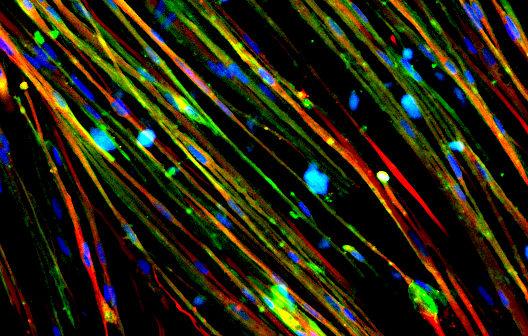
Yamanaka and colleagues’ Nobel prize-winning discovery of iPSCs revolutionized stem cell research15,16. By simply introducing key transcription factors into adult cells, they can be reprogrammed back into a pluripotent state (‘infancy’). This process is known as cellular reprogramming, and the transcription factors are collectively referred to as ‘Yamanaka factors’. Recently, researchers from Stanford University were able to exploit this cellular reprogramming technology to rejuvenate old human cells17. By introducing several factors (including Yamanaka factors) transiently into old human cells, they were able to rewind these cells to a ‘youthful’ state, while preserving the cellular identities of cells. After further analysis, these rejuvenated cells were found to be more similar to younger cells than elderly cells.

As a proof of concept, the researchers then went on to introduce the same set of factors into aged mouse-derived skeletal muscle stem cells (MuSC) and transplanted them into the muscles of aged mice. Post-transplantation, these rejuvenated MuSCs were able to restore muscle functionality of old mice to a younger state. This remarkable study has illustrated that stem cell technology has great potential in reversing aging in cells to obtain ‘youthful’ cells and these cells could be used in cell transplantation therapies to treat age-related conditions. 


In the Coming Years

Experts agree that stem cell science holds answers to human longevity and has great potential in treating and preventing age-related diseases18. Numerous stakeholders in the biomedical industry have invested interests in tapping on stem cells to realize these goals. In the coming years, we will be expecting more research efforts dedicated towards a deeper level of understanding, as well as further optimization of stem cell-based interventions for aging. Companies involved in utilizing this science are worth researching and learning about while this segment of biotech is yet to approach potential.


About the Author:  Nicole Pek is a stem cell biologist and enthusiastic science communicator.
She has worked on using human pluripotent stem cells to study cellular
development in multiple organ systems, to model complex human diseases, and
screen for therapeutics that could treat the diseases. Outside of the lab,
Nicole plays a pro-active role in communicating to the public through her
science blog ‘Two Cells’ and her education podcast ‘
The Diploid Duo’.


Suggested Content:

Cells That Can Be Produced from Stem Cells

The Case for Investing in Regenerative Medicine


Therapeutic Discovery Made Possible through Stem Cell Science

Lineage Cell Therapeutics (Video)


References


1.         Grover, N. Healthier, longer lifespans will be a reality sooner than you think, Juvenescence promises as it closes $100M round. Endpoints News https://endpts.com/healthier-longer-lifespans-will-be-a-reality-sooner-than-you-think-juvenescence-promises-as-it-closes-100m-round/.

2.         World Population Ageing 2019 Highlights.

3.         Jefferson, R. S. ‘Extraordinary’ Breakthroughs In Anti-Aging Research ‘Will Happen Faster Than People Think’. Forbes https://www.forbes.com/sites/robinseatonjefferson/2019/08/26/how-extraordinary-breakthroughs-in-anti-aging-research-will-happen-faster-than-people-think/.

4.         Ullah, M. & Sun, Z. Stem cells and anti-aging genes: double-edged sword—do the same job of life extension. Stem Cell Res Ther 9, (2018).

5.         Ahmed, A. S. I., Sheng, M. H., Wasnik, S., Baylink, D. J. & Lau, K.-H. W. Effect of aging on stem cells. World J Exp Med 7, 1–10 (2017).

6.         Herrera, M. B. et al. Isolation and characterization of a stem cell population from adult human liver. Stem Cells 24, 2840–2850 (2006).

7.         Messina, E. et al. Isolation and Expansion of Adult Cardiac Stem Cells From Human and Murine Heart. Circulation Research 95, 911–921 (2004).

8.         Mantovani, C., Terenghi, G. & Shawcross, S. G. Isolation of adult stem cells and their differentiation to Schwann cells. Methods Mol Biol 916, 47–57 (2012).

9.         Thies, R. S. & Murry, C. E. The advancement of human pluripotent stem cell-derived therapies into the clinic. Development 142, 3077–3084 (2015).

10.       Vahdat, S. et al. Expansion of Human Pluripotent Stem Cell-derived Early Cardiovascular Progenitor Cells by a Cocktail of Signaling Factors. Sci Rep
9, 16006 (2019).

11.       Ha, D. H. et al. Mesenchymal Stem/Stromal Cell-Derived Exosomes for Immunomodulatory Therapeutics and Skin Regeneration. Cells 9, (2020).

12.       Chen, B. et al. Human embryonic stem cell-derived exosomes promote pressure ulcer healing in aged mice by rejuvenating senescent endothelial cells. Stem
Cell Research & Therapy
10, 142 (2019).

13.       Newton, W. C., Kim, J. W., Luo, J. Z. Q. & Luo, L. Stem cell-derived exosomes: a novel vector for tissue repair and diabetic therapy. Journal of Molecular
Endocrinology
59, R155–R165 (2017).

14.       Yao, X.
et al. Stem cell derived exosomes: microRNA therapy for age-related musculoskeletal disorders. Biomaterials 224, 119492 (2019).

15.       Takahashi, K. & Yamanaka, S. Induction of pluripotent stem cells from mouse embryonic and adult fibroblast cultures by defined factors. Cell 126, 663–676 (2006).

16.       Takahashi, K. et al. Induction of pluripotent stem cells from adult human fibroblasts by defined factors. Cell 131, 861–872 (2007).

17.       Sarkar, T. J. et al. Transient non-integrative expression of nuclear reprogramming factors promotes multifaceted amelioration of aging in human cells. Nat Commun 11, (2020).

18.       Stem Cells and Aging: What’s Next? Cell Stem Cell 16, 578–581 (2015).


Stay up to date. Follow us:


Stay up to date. Follow us:

Tracing the Origins of a Virus


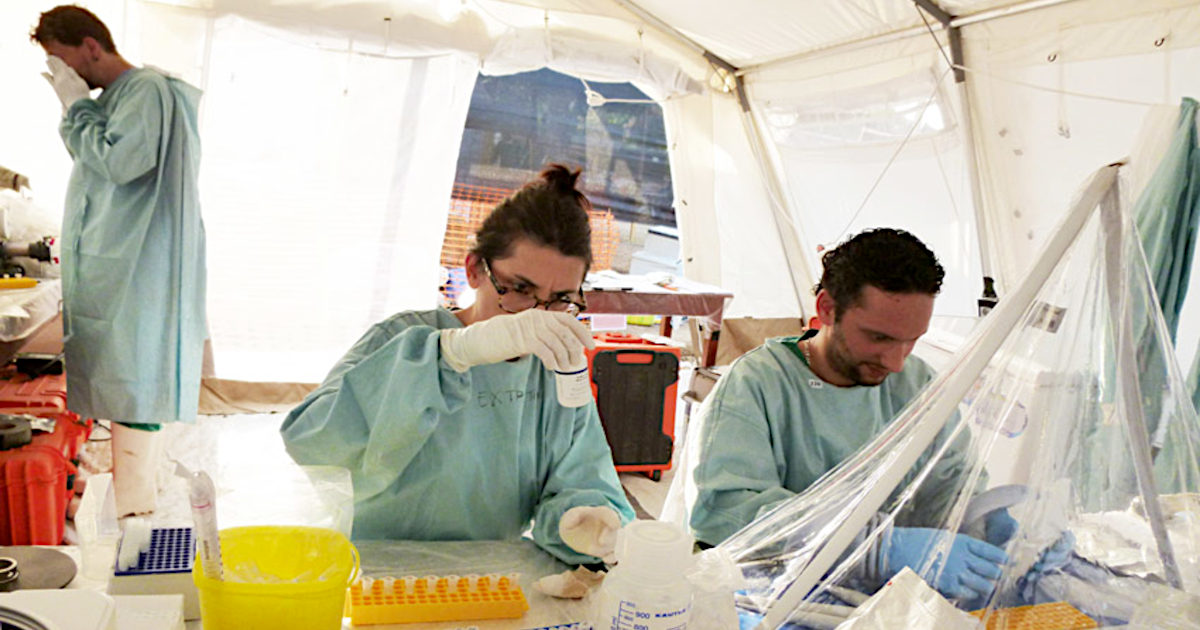
Image Credit: EU Protection & Humanitarian Aid (Flickr)


How Virus Detectives Trace the Origins of an Outbreak – and Why it’s So Tricky


Every time there is a major disease outbreak, one of the first questions scientists and the public ask is: “Where did this come from?”

In order to predict and prevent future pandemics like COVID-19, researchers need to find the origin of the viruses that cause them. This is not a trivial task. The origin of HIV was not clear until 20 years after it spread around the world. Scientists still don’t know the origin of Ebola, even though it has caused periodic epidemics since the 1970s.

As an expert in viral ecology, I am often asked how scientists trace the origins of a virus. In my work, I have found many new viruses and some well-known pathogens that infect wild plants without causing any disease. Plant, animal or human, the methods are largely the same. Tracking down the origins of a virus involves a combination of extensive fieldwork, thorough lab testing and quite a bit of luck.


Viruses Jump from Wild Animal Hosts to Humans

Many viruses and other disease agents that infect people originate in animals. These diseases are zoonotic, meaning they are caused by animal viruses that jumped to people and adapted to spread through the human population.

It might be tempting to start the viral origin search by testing sick animals at the site of the first known human infection, but wild hosts often don’t show any symptoms. Viruses and their hosts adapt to each other over time, so viruses often don’t cause obvious disease symptoms until they’ve jumped to a new host species. Researchers can’t just look for sick animals.

Another problem is that people, and their food animals aren’t stationary. The place where researchers find the first infected person is not necessarily close to the place where the virus first emerged.

In the case of COVID-19, bats were an obvious first place to look. They’re known hosts for many coronaviruses and are the probable source of other zoonotic diseases like SARS and MERS.

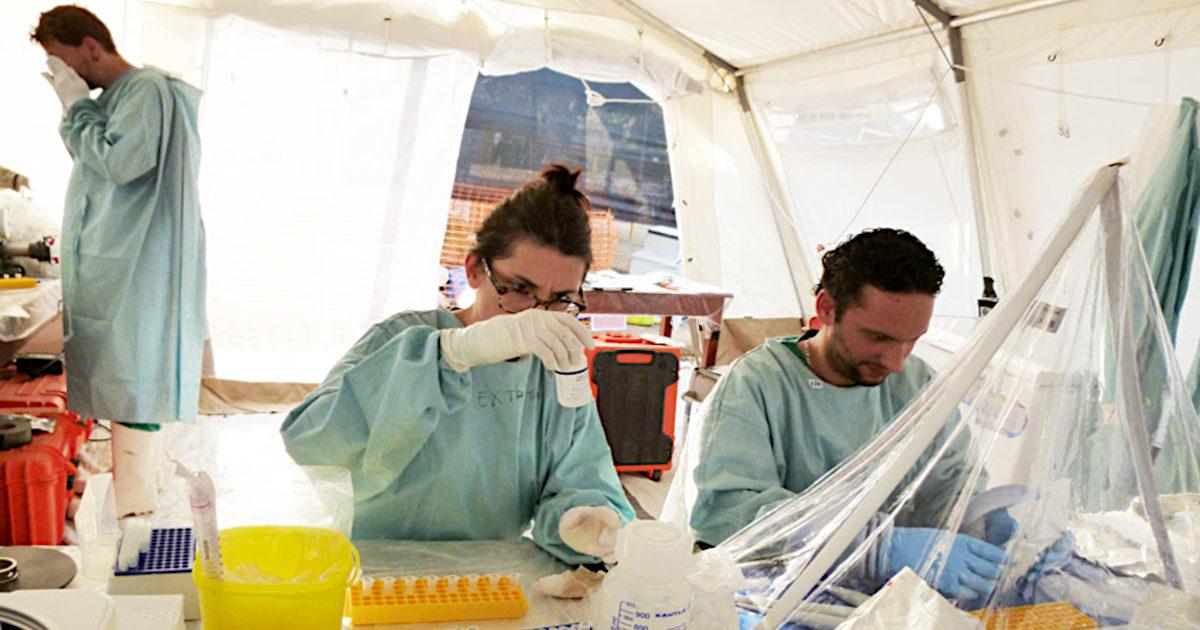
For SARS-CoV-2, the virus that causes COVID-19, the nearest relative scientists have found so far is BatCoV RaTG13. This virus is part of a collection of bat coronaviruses discovered in 2011 and 2012 by virologists from the Wuhan Virology Institute. The virologists were looking for SARS-related coronaviruses in bats after the SARS-CoV-1 pandemic in 2003. They collected fecal samples and throat swabs from bats at a site in Yunnan Province about 932 miles (1,500 kilometers) from the institute’s lab in Wuhan, where they brought samples back for further study.

To test whether the bat coronaviruses could spread into people, researchers infected monkey kidney cells and human tumor-derived cells with the Yunnan samples. They found that a number of the viruses from this collection could replicate in the human cells, meaning they could potentially be transmitted directly from bats to humans without an intermediate host. Bats and people don’t come into direct contact very often, however, so an intermediate host is still quite likely.


Finding the Nearest Relatives

The next step is to determine how closely related a suspected wildlife virus is to the one infecting humans. Scientists do this by figuring out the genetic sequence of the virus, which involves determining the order of the basic building blocks, or nucleotides, that make up the genome. The more nucleotides two genetic sequences share, the more closely related they are.

Genetic sequencing of bat coronavirus RaTG13 showed it to be over 96% identical to SARS-CoV-2. This level of similarity means that RaTG13 is a pretty close relative to SARS-CoV-2, confirming that SARS-CoV-2 probably originated in bats, but is still too distant to be a direct ancestor. There likely was another host that caught the virus from bats and passed it on to humans.

Because some of the earliest cases of COVID-19 were found in people associated with the wildlife market in Wuhan, there was speculation that a wild animal from this market was the intermediate host between bats and humans. However, researchers never found the coronavirus in animals from the market.

Likewise, when a related coronavirus was identified in pangolins confiscated in an anti-smuggling operation in southern China, many leaped to the conclusion that SARS-CoV-2 had jumped from bats to pangolins to humans. The pangolin virus was found to be only 91% identical to SARS-CoV-2, though, making it unlikely to be a direct ancestor of the human virus.

To pinpoint the origin of SARS-CoV-2, a lot more wild samples need to be collected. This is a difficult task – sampling bats is time-consuming and requires strict precautions against accidental infection. Since SARS-related coronaviruses are found in bats across Asia, including Thailand and Japan, it’s a very big haystack to search for a very small needle.


Creating a family tree for SARS-CoV-2

In order to sort out the puzzle of viral origins and movement, scientists not only have to find the missing pieces, but also figure out how they all fit together. This requires collecting viral samples from human infections and comparing those genetic sequences both to each other and to other animal-derived viruses.

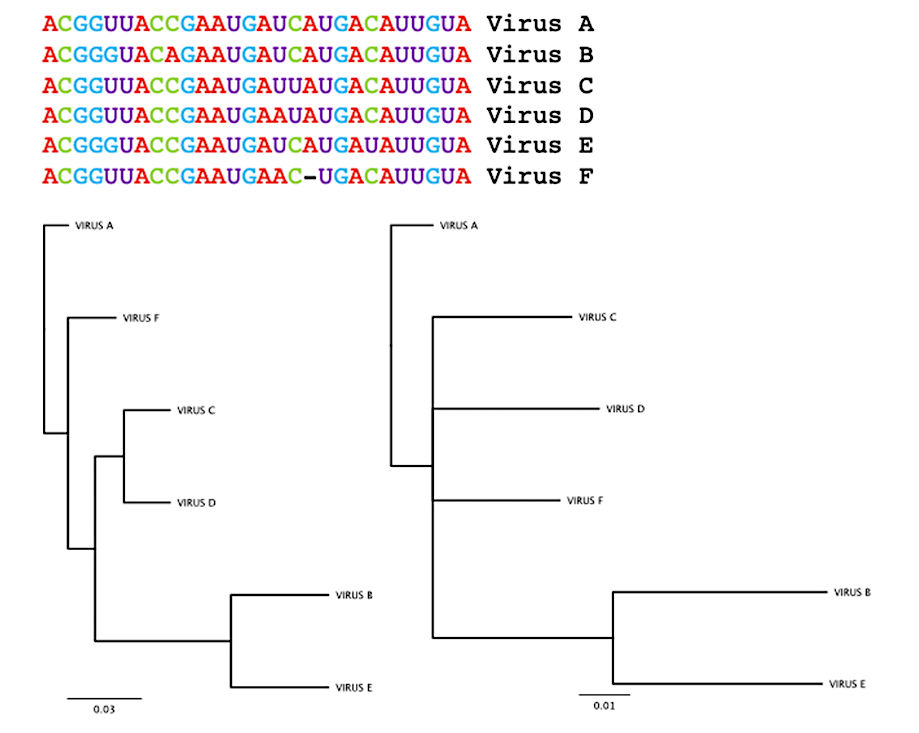
To determine how these viral samples are related to each other, researchers use computer tools to construct the virus’s family tree, or phylogeny. Researchers compare the genetic sequences of each viral sample and construct relationships by aligning and ranking genetic similarities and differences.

The direct ancestor to the virus, sharing the greatest genetic similarity, could be thought of as its parent. Variants sharing that same parent sequence but with enough changes to make them distinct from each other are like siblings. In the case of SARS-CoV-2, the South African variant, B.1.351, and the U.K. variant, B.1.1.7, are siblings.

Building a family tree is complicated by the fact that different analysis parameters can give different results: The same set of genetic sequences can produce two very different family trees.


The nucleotide sequences of six fictional viruses are shown on the top. Below are two family trees of these viruses created using two different programs. The tree on the left uses only percent identity, while the tree on the right also considers whether the two sequences share similar characters. – Marilyn Roossinck, CC BY-ND

For SARS-CoV-2, phylogenetic analysis proves particularly difficult. Though tens of thousands of SARS-CoV-2 sequences are now available, they don’t differ from one another enough to form a clear picture of how they’re related to each other.


The Current Debate: Wild Host or Lab Spillover?

Could SARS-CoV-2 have been released from a research lab? Although current evidence implies that this is not the case, 18 prominent virologists recently suggested that this question should be further investigated.

Although there has been speculation about SARS-CoV-2 being engineered in a lab, this possibility seems highly unlikely. When comparing the genetic sequence of wild RaTG13 with SARS-CoV-2, differences are randomly spread across the genome. In an engineered virus, there would be clear blocks of changes that represent introduced sequences from a different viral source.

[Get our best science, health and technology stories. Sign up for The Conversation’s science newsletter.]

There is one unique sequence in the SARS-CoV-2 genome that codes for a part of the spike protein that seems to play an important role in infecting people. Interestingly, a similar sequence is found in the MERS coronavirus that causes a disease similar to COVID-19.

Though it is not clear how SARS-CoV-2 acquired these sequences, viral evolution suggests they arose from natural processes. Viruses accumulate changes either by genetic exchange with other viruses and their hosts, or by random mistakes during replication. Viruses that gain a genetic change that gives them a reproductive advantage would typically continue to pass it on through replication. That MERS and SARS-CoV-2 share a similar sequence in this part of the genome suggests that it naturally evolved in both and spread because it helps them infect human cells.


Where to Go from Here?

Figuring out the origin of SARS-CoV-2 could give us clues to understand and predict future pandemics, but we may never know exactly where it came from. Regardless of how the SARS-CoV-2 jumped into humans, it’s here now, and it’s probably here to stay. Going forward, researchers need to continue monitoring its spread, and get as many people vaccinated as possible.


This article was republished with permission from The Conversation, a news site dedicated to sharing ideas from academic experts.  Written by Marilyn J. Roossinck

Professor of Plant Pathology and Environmental Microbiology, Penn State


Suggested Reading:

Scientists Now Better Understand Viral Mutations

Preventing the Immune System from Rejecting Gene Therapy


Small Caps in the Covid-19 Treatment Space

Therapeutic Discovery Made Possible by Stem Cell Science


Helius Medical Technologies (HSDT) Virtual Road Show – Thursday June 10 @ 1:00pm EDT

Join Helius Medical Technologies Interim CEO Dane Andreeff, CFO Joyce LaViscount, and Medical Advisor Jonathan Sackier for this exclusive corporate presentation, followed by a Q & A session moderated by Joe Gomes, Noble’s senior research analyst, featuring questions taken from the audience. Registration is free and open to all investors, at any level.

Register Now  |  View All Upcoming Road Shows


Stay up to date. Follow us:


Stay up to date. Follow us:

Allegiant Gold (AUXXF)(AUAU:CA) – Next Steps

Monday, June 07, 2021

Allegiant Gold (AUXXF)(AUAU:CA)
Next Steps

Allegiant Gold Ltd is a gold exploration company. Its project profile consists of Bolo, Browns Canyon, Clara Moro, Four Metals, Monitor Hills, Red Hills, Silver Dome, West Goldfield, White Horse Flats, Mogollon, Eastside, Dutch Flat, and others.

Mark Reichman, Senior Research Analyst of Natural Resources, Noble Capital Markets, Inc.

Refer to the full report for the price target, fundamental analysis, and rating.

    Investor update. Allegiant Gold recently hosted a webinar for investors to discuss recent drilling results and the company’s strategy for Eastside. Recall that Allegiant recently released results from its 9-hole drill program, representing 3,673 meters of drilling, at the Original Pit Zone (OPZ) at its Eastside project in Nevada. Mineralization was encountered in 7 of the 9 holes, including high-grade intercepts. Hole 243, a 100-meter step-out from the closest hole in the OPZ, included 2.55 grams of gold per tonne over 147.8 meters and 3.17 grams of gold per tonne over 117.3 meters.

    Follow-Up drilling at the OPZ.  A follow-up drilling program will entail at least 5,000 meters of drilling. The drilling will focus on defining the extent of the high-grade areas discovered during the recent program, including near the bottom of the holes. Because there are significant opportunities to continue to develop the Original Pit Zone by expanding the permitted area from 601 acres to 3,600 …


This Company Sponsored Research is provided by Noble Capital Markets, Inc., a FINRA and S.E.C. registered broker-dealer (B/D).

*Analyst certification and important disclosures included in the full report. NOTE: investment decisions should not be based upon the content of this research summary.  Proper due diligence is required before making any investment decision. 

The Benefits of DeFi


Decentralized Finance, Is It The Future?


For the last couple of years, DeFi has been the hottest topic in both FinTech and crypto, with many investors and developers believing it to be the future of finance. But what exactly is DeFi, and what makes it so significant?


What is DeFi?

DeFi, or “decentralized finance,” is a term used to describe any financial tool that eliminates the need for a centralized body. This means that there are no middlemen, third parties, or intermediaries involved. While this might not sound like much, the ability to cut out centralized bodies from traditional financial instruments such as loans and bonds has never happened before in economic history. DeFi allows people to trade, lend, borrow and manage their money in a way that provides complete independence. With DeFi, no institutions or organizations handle or control your money, meaning that ownership always stays with you, creating a more unrestricted financial experience.

DeFi technology is extremely new, having existed for less than ten years. The first DeFi projects to gain recognition were MakerDAO and Bancor, both released in 2017, they offered a lending platform that functioned without any centralized bodies whatsoever.


No More Third Parties

This is all made possible through blockchain technology. Blockchains allow people to manage their money securely without placing trust in any particular body or institution. Instead of putting your faith in a bank, credit card processor (like VISA), or payment gateway (like PayPal or Western Union), you can rely solely on the blockchain. This is a much safer option, as the code used to create most blockchains is open-source, which means anybody can view it. If anything were malicious or unsafe in the code, it would more than likely get picked up by the programming community. 

When you use third parties, you have to place your trust in that entity’s integrity, but even the most well-known financial companies have experienced issues. There is no centralized economic body that hasn’t had to deal with some scandal in the past. But that problem is negated by Decentralized Finance.


Smart contracts play a massive role in DeFi. A smart contract is a computer-generated contract that executes upon being added to the blockchain. Smart contracts allow people to transfer value to one another under certain conditions, agreed upon by the parties involved, which are then enforced by the blockchain (rather than by a centralized body like a bank or broker).


Why Should You Care About DeFi?

Despite it being such a simple idea (engaging with finance without third parties), it has never entirely existed before. This is the first time in history where people can access traditional financial instruments (such as loans, bonds, and trading capabilities) without needing an intermediary, making DeFi perhaps the most revolutionary financial technology to happen in the last century.

Here are the primary benefits it offers:


Financial Control

When using DeFi services, you keep control of your money. Instead of handing your money over to an organization that you do not trust, you deal with the blockchain: an open, fully automated, and transparent network. When working with a centralized body, you have to place a great deal of faith in them, hoping they will take care of your money and that they have your best interests at heart. But with DeFi, you do not have to rely on faith because you have full knowledge of the inner workings of the blockchain and smart contracts you are using.

Non-Invasive

DeFi services are naturally less invasive than centralized financial tools (or “CeFi”). For instance, if you were to take out a traditional CeFi loan, you would likely have to provide the centralized body with proof of identity, bank statements and possibly even undergo a background or credit check. Not only would you hand your money to them as collateral, but you would also hand over extremely sensitive data. 

However, if you were to take out a DeFi loan, you would not have to do any of this. With DeFi, nobody needs to see sensitive documents like this because no centralized body could assess or evaluate them. Everything happens via automation, so there is no requirement to pry. This makes DeFi a much more accessible and comfortable experience. Many people (rightfully) feel uncomfortable about handing over personal information to a corporation like a bank or lending provider.


Fairness

Considering how DeFi allows people to exchange and handle money without an intermediary, it is significantly fairer. It means that fees are lower, as there is no third party to profit from people’s financial activity. It also gives more people access to financial instruments. Many people worldwide cannot engage with CeFi because they do not have official documentation or because institutions choose to ignore them. For instance, there are approximately 2 billion unbanked people, meaning they cannot access traditional CeFi services. These financial services are extremely useful for modern living, and the fact that so many people have been locked out from engaging in them is deeply unfair, however with DeFi, this all changes. DeFi allows more people to gain financial stability and take control of their lives. 

DeFi is a game-changing technology in both crypto and FinTech, as it allows for the creation of projects and ecosystems that run without any third parties. They let people engage with traditional financial tools without relying on institutions and intermediaries, giving people more freedom and control over their economic lives. They also offer unbanked access to loans, bonds, and trading capabilities, providing them with life-changing financial instruments that many people often take for granted. Not only does DeFi have the potential to improve people’s lives for the better, but it has the potential to change the way contemporary finance is run as a whole. For the first time, centralized financial bodies are becoming obsolete, affecting the economic landscape in unimaginable ways. 


This article is republished with permission from the Vertex Markets Knowledge Center. Vertex uses AI to make B2B introductions providing a business networking site free from guesswork as to where the more valuable interactions are found.


What Companies are Involved in Spaceflight?

The Value of “FinTok” “Finfluencers”


Repurposing Powerplants for Crypto Mining

Making Sense of NFTs


Stay up to date. Follow us:


Stay up to date. Follow us:

Avivagen Inc. (VIVXF)(VIV:CA) – Reports 2Q21 Results Momentum Continues to Build

Friday, June 04, 2021

Avivagen Inc. (VIVXF)(VIV:CA)
Reports 2Q21 Results, Momentum Continues to Build

Avivagen Inc is a Canadian based company operating in the healthcare sector. It develops science-based, natural health products for animals. It develops and commercializes products for livestock feeds to replace antibiotics for growth promotion and to help prevent disease by supporting the animal’s own health defenses. Its product range includes OxC-beta, Vivamune health chews, Oximunol chewable tablets, and Carotenoid Oxidation products.

Joe Gomes, Senior Research Analyst, Noble Capital Markets, Inc.

Refer to the full report for the price target, fundamental analysis, and rating.

    2Q21 Results. For the fiscal second quarter ended April 30th, Avivagen reported revenue of $159,614 and a net loss of $2.2 million, or a loss of $0.04 per share. This compares to revenue of $29,625 and a net loss of $1.4 million, or $0.03 per share, in the same period last year. We had forecast revenue of $550,000 and a net loss of $1.3 million, or a loss of $0.02 per share.

    Timing is Everything.  As with most early stage revenue companies, the timing of orders can have an outsized impact on quarterly results, and we believe this is what happened in the quarter when comparing actual results to our projections. In the broader picture, the miss is not material, as long as we continue to see building momentum going forward. The bottom line miss is related to $665,203 …


This Company Sponsored Research is provided by Noble Capital Markets, Inc., a FINRA and S.E.C. registered broker-dealer (B/D).

*Analyst certification and important disclosures included in the full report. NOTE: investment decisions should not be based upon the content of this research summary.  Proper due diligence is required before making any investment decision.