
Stem-Cell Based Therapy for Alzheimer’s Disease


Advancing Research into Alzheimer’s Disease with Stem Cells


Disease Burden of Alzheimer’s

Alzheimer’s disease (AD) is the most common cause of dementia, a progressively debilitating neurodegenerative disease that results in declining cognitive functions, inability to form new memories, behavioral disorders, and gradual loss of bodily functions. While older age does not cause AD, the risk of AD doubles about every five years beyond age 651. The World Health Organization estimates that about 50 million people living with dementia globally. In 2050, the number is expected to increase to 152 million2. In the U.S., a total of 122,019 recorded deaths were due to AD (2018), making it the 6th leading cause of death among adults in the country3. Hence, AD has a significant disease burden worldwide. Currently, the economic burden of AD is estimated to be $305 billion4. To date, there is no cure for dementia or AD.


Neuropathological Features and Causes of Alzheimer’s Disease

One of the key neuropathological features of AD is the presence of brain lesions consisting of amyloid plaques. It is caused by the pathological extracellular accumulation and deposition of amyloid-beta peptide (amyloid-beta)5. Although the exact function of amyloid-beta is largely unclear, there have been some speculations regarding its physiological roles in the body6. Regardless, targeting amyloid-beta production and accumulation remains to be an attractive therapeutic solution to treat AD7,8. Other hallmarks of AD include the presence of neurofibrillary tangles and hyperphosphorylated tau in brain tissues.

AD is a complex, multifactorial disease caused by a mix of genetic and environmental factors9. It can be broadly classified into two types – sporadic (SAD) and familial (FAD) AD. SAD and FAD are typically late-onset and early-onset respectively
10. FAD is rare and is caused by genetic mutations (such as in the Amyloid Precursor Protein [APP] gene); environmental factors play small roles in contributing to the disease. On the other hand, several genes are associated with SAD but environmental factors are also observed to contribute to the disease
9


Lack of Suitable Platforms to Study AD

Over the past decade, researchers have adopted different systems to study AD. Post-mortem brain tissue samples from individuals with AD have been crucial in identifying and better understanding the physical and molecular changes of the brain caused by the disease. Cultured human and mouse cells have also been useful in understanding amyloid-beta accumulation and plaque formation but these cells are usually transformed to allow cells to remain proliferative; therefore they are not physiologically relevant and are unsuitable to study age-related aspects of AD. Also, it is difficult to grow and culture human neurons in the lab. Therefore, researchers looked to using transgenic mice to model AD. There have been some successes in generating FAD mice by overexpressing APP11. These mice were able to show age-related formation of amyloid-beta plaques, learning problems, and neuronal synapse loss. Today, there are more mice models that mimic various AD pathologies11. However, these mice are still unable to reflect the full complexity of the neurodegeneration process associated with AD12. The unfortunate reality is exemplified by the fact that clinical trials for AD drug development have a failure rate of 99.6%13.


Making Diseased Neurons in the Lab to Better Understand Disease Pathogenesis


The discovery of the Nobel Prize-winning iPSC technology
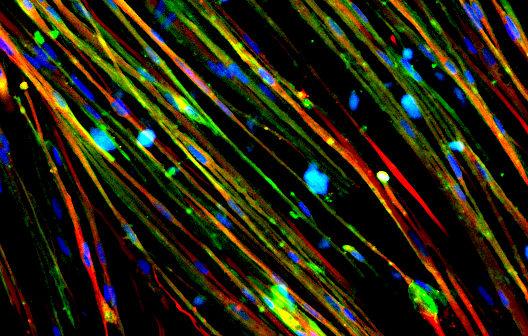
14,15 has advanced AD research by miles. There are many successes in using iPSCs to model and study both SAD and FAD in the lab16,17. Researchers have generated stem cell-derived neurons, microglia, astrocytes, and even 3D brain organoids that exhibited disease phenotypes. Because iPSCs are self-renewal and highly proliferative, we now have unlimited resources to study the disease pathogenesis of AD18.  

Recently, a group of researchers from Harvard Medical School utilized the iPSC technology and reprogrammed skin cells from patients with SAD into iPSCs19. The patient-specific iPSCs were then differentiated into neural progenitor cells (NPCs) to obtain SAD NPCs. Using these diseased cells, they were able to uncover new information about the disease – diseased cells showed abnormal signs of accelerated maturation as compared to healthy cells. They were also discovered that the diseased cells have a loss of function of a protein called REST. By restoring levels of functional REST, they were able to prevent early maturation of SAD NPCs.

Another group of researchers from the Mayo Clinic differentiated AD iPSCs into cerebral organoids (‘mini-brains’), which are 3D self-organizing structures that recapitulate many features of the human brain. The diseased cerebral organoids showed high levels of amyloid-beta and phosphorylated tau, which are key features of AD. Using these diseased ‘mini-brains’, they were also able to uncover new knowledge about the disease which includes altered RNA metabolism and increased numbers of stress granules 20.



Stem-Cell Based Therapy for Alzheimer’s Disease

With the lack of suitable platforms to study AD as well as the gross limitations of current mice models of AD, researchers and the public alike have started to feel disheartened. However, in recent years, proof-of-concept studies of various types of stem cell-based therapies have shown great promise in treating AD.

Firstly, the use of Mesenchymal Stem Cells (MSCs) to treat AD is actively pursued right now. MSCs are stem cells that are found in umbilical cord blood, the Wharton jelly (a connective tissue found in the umbilical cord), bone marrow, and even fat tissues. In fact, a phase 1 clinical trial investigating the use of umbilical cord blood MSCs to treat AD patients was completed in 201521 and results showed that the treatment was both safe and feasible. MSCs can potentially treat AD via three ways – immune regulation, reducing numbers of amyloid-beta plaques, and promote neurotrophic regeneration and evidences suggest that the therapeutic potential of MSCs lies with the extracellular vesicles/ exosomes, produced by MSCs22. Exosomes contain nucleic acids, proteins, enzymes and even immune signals that are able to promote regeneration, regulation inflammation, and clear amyloid-beta plaques.

Next, the cellular transplantation of NPCs differentiated from embryonic stem cells (ESCs) was able to improve learning and memory functions in rat models of AD23. In addition, transplanting human induced-neural progenitor/ stem cells (iNPCs) into the hippocampus of AD mice restored cognitive deficits of diseased mice and significantly improved cognitive performance
24. Therefore, ESC-derived NPCs and iNPCs can potentially serve as therapeutic options to treat and improve cognitive functionalities of AD patients. Other than NPCs, stem cell-derived glial cells25 were also able to reduce amyloid-beta deposition and were effective in decreasing cognitive dysfunctions in AD mice.

The risk of graft rejection will be reduced if patient-specific iPSCs were used to generate cells for autologous transplantation. Genetic mutations found in the patients can also be edited via the CRISPR/Cas926 technology. This way, NPCs, neurons, or glial cells differentiated from patient-specific (edited) iPSCs will be healthy and will not be rejected by the patients’ immune system.


Concluding Comments

Over the past few years, research into AD has allowed us to better understand disease etiology and pathogenesis, but research efforts were hindered by the lack of suitable platforms to study the disease. Animal models of AD are still unable to fully reflect the complexities of the disease observed in humans. The advent of stem cell technologies has allowed us to model AD more accurately and sustainably. With that, stem cell-based therapies have also shown great successes in improving cognitive functions in animal models of AD. In the years to come, more studies would have to be done to determine the safety and efficacy of transplanting MSCs as well as ESC/iPSC-derived cells in treating AD patients.


About the Author:  Nicole
Pek is a stem cell biologist and enthusiastic science communicator. She
has worked on using human pluripotent stem cells to study cellular development
in multiple organ systems, to model complex human diseases, and screen for
therapeutics that could treat the diseases. Outside of the lab, Nicole plays a
pro-active role in communicating to the public through her science blog ‘Two
Cells’ and her education podcast ‘
The Diploid Duo’.


Suggested Reading:

The Anti-Aging and Rejuvenating Properties of Stem Cells

Therapeutic Discovery Advanced by Stem Cells


What Cells can be Made from Stem Cells

The Case for Investing in Regenerative Medicine


References


1.         What Causes Alzheimer’s Disease? National Institute on Aging http://www.nia.nih.gov/health/what-causes-alzheimers-disease (2019).

2.         Dementia. World Health Organization https://www.who.int/news-room/fact-sheets/detail/dementia (2020).

3.         2020 Alzheimer’s disease facts and figures. Alzheimer’s & Dementia 16, 391–460 (2020).

4.         Wong, W. Economic burden of Alzheimer disease and managed care considerations. Am J Manag Care 26, S177–S183 (2020).

5.         Serrano-Pozo, A., Frosch, M. P., Masliah, E. & Hyman, B. T. Neuropathological Alterations in Alzheimer Disease. Cold Spring Harb Perspect Med 1, (2011).

6.         Brothers, H. M., Gosztyla, M. L. & Robinson, S. R. The Physiological Roles of Amyloid-beta Peptide Hint at New Ways to Treat Alzheimer’s Disease. Front Aging Neurosci 10, (2018).

7.         Sevigny, J. et al. The antibody aducanumab reduces amyloid-beta plaques in Alzheimer’s disease. Nature 537, 50–56 (2016).

8.         Panza, F., Lozupone, M., Logroscino, G. & Imbimbo, B. P. A critical appraisal of amyloid-beta-targeting therapies for Alzheimer disease. Nat Rev Neurol 15, 73–88 (2019).

9.         Mayeux, R. & Stern, Y. Epidemiology of Alzheimer Disease. Cold Spring Harb Perspect Med 2, (2012).

10.       Barber, R. C. The Genetics of Alzheimer’s Disease. Scientifica 2012, e246210 (2012).

11.       Elder, G. A., Sosa, M. A. G. & Gasperi, R. D. Transgenic Mouse Models of Alzheimer’s Disease. Mount Sinai
Journal of Medicine: A Journal of Translational and Personalized Medicine
77, 69–81 (2010).

12.       King, A. The search for better animal models of Alzheimer’s disease. Nature 559, S13–S15 (2018).

13.       Cummings, J. Lessons Learned from Alzheimer Disease: Clinical Trials with Negative Outcomes. Clinical and
Translational Science
11, 147–152 (2018).

14.       Takahashi, K. et al. Induction of pluripotent stem cells from adult human fibroblasts by defined factors. Cell
131, 861–872 (2007).

15.       Takahashi, K. & Yamanaka, S. Induction of pluripotent stem cells from mouse embryonic and adult fibroblast cultures by defined factors. Cell 126, 663–676 (2006).

16.       Israel, M. A. et al. Probing sporadic and familial Alzheimer’s disease using induced pluripotent stem cells.
Nature 482, 216–220 (2012).

17.       Ochalek, A. et al. Neurons derived from sporadic Alzheimer’s disease iPSCs reveal elevated TAU hyperphosphorylation, increased amyloid levels, and GSK3B activation. Alzheimers
Res Ther
9, 90 (2017).

18.       de Leeuw, S. & Tackenberg, C. Alzheimer’s in a dish – induced pluripotent stem cell-based disease modeling. Translational
Neurodegeneration
8, 21 (2019).

19.       Meyer, K. et al. REST and Neural Gene Network Dysregulation in iPSC Models of Alzheimer’s Disease. Cell
Reports
26, 1112-1127.e9 (2019).

20.       Zhao, J. et al. APOE4 exacerbates synapse loss and neurodegeneration in Alzheimer’s disease patient iPSC-derived cerebral organoids. Nat Commun 11, 5540 (2020).

21.       Kim, H. J. et al. Stereotactic brain injection of human umbilical cord blood mesenchymal stem cells in patients with Alzheimer’s disease dementia: A phase 1 clinical trial. Alzheimers
Dement (N Y)
1, 95–102 (2015).

22.       Elia, C. A., Losurdo, M., Malosio, M. L. & Coco, S. Extracellular Vesicles from Mesenchymal Stem Cells Exert Pleiotropic Effects on Amyloid-beta, Inflammation, and Regeneration: A Spark of Hope for Alzheimer’s Disease from Tiny Structures? BioEssays 41, 1800199 (2019).

23.       Tang, J. et al. Embryonic stem cell-derived neural precursor cells improve memory dysfunction in amyloid-beta(1-40) injured rats. Neurosci Res 62, 86–96 (2008).

24.       Zhang, T. et al. Human Neural Stem Cells Reinforce Hippocampal Synaptic Network and Rescue Cognitive Deficits in a Mouse Model of Alzheimer’s Disease. Stem Cell Reports 13, 1022–1037 (2019).

25.       Cha, M.-Y. et al. Protein-Induced Pluripotent Stem Cells Ameliorate Cognitive Dysfunction and Reduce amyloid-beta Deposition in a Mouse Model of Alzheimer’s Disease. Stem Cells Transl Med
6, 293–305 (2017).

26.       Ran, F. A. et al. Genome engineering using the CRISPR-Cas9 system. Nature Protocols 8, 2281–2308 (2013).


Stay up to date. Follow us:



Stay up to date. Follow us:

Cocrystal’s Lead COVID-19 Antiviral CDI-45205 Shown to be Active Against SARS-CoV-2 and Two Prominent SARS-CoV-2 Variants


Cocrystal’s Lead COVID-19 Antiviral CDI-45205 Shown to be Active Against SARS-CoV-2 and Two Prominent SARS-CoV-2 Variants


BOTHELL, Wash., June 14, 2021 (GLOBE NEWSWIRE) — Cocrystal Pharma, Inc. (Nasdaq: COCP) (“Cocrystal” or the “Company”), a clinical-stage biotechnology company discovering and developing novel antiviral therapeutics that target the replication machinery of influenza viruses, coronaviruses, hepatitis C viruses and noroviruses, announces that its lead preclinical SARS-CoV-2 3CL protease inhibitor CDI-45205 is active against SARS-CoV-2 and two prominent SARS-CoV-2 variants.

A third-party laboratory contracted by Cocrystal conducted in vitro studies evaluating the antiviral activity of CDI-45205 and its analogs in VeroE6-eGFP cells infected with SARS-CoV-2 (Wuhan strain), the United Kingdom variant (B.1.1.7) and the South African variant (B.1.351). CDI-45205 and its analogs showed excellent antiviral activity against both SARS-CoV-2 variants, surpassing the activity observed with SARS-CoV-2 (Wuhan strain). Two reference inhibitors including remdesivir, an FDA-approved SARS-CoV-2 RNA-dependent RNA polymerase inhibitor, and PF-00835231, another SARS-CoV-2 3CL protease inhibitor, were included in the study as comparators. Results showed CDI-45205 had excellent antiviral activity against the United Kingdom variant, with an EC50 of 1.9 uM (remdesivir EC50 0.6 uM; PF-00835231 EC50 >100 uM) and against the South African variant, with an EC50 of 2.5 uM (remdesivir EC50 0.8 uM; PF-00835231 EC50 >100 uM) in the absence of a P-glycoprotein efflux inhibitor.

“We are highly encouraged by these results with CDI-45205 against SARS-CoV-2 and two prominent variants of SARS-CoV-2, and we intend to continue with further testing for antiviral activity against other emerging variants including the Indian variant,” said Sam Lee, Ph.D., Cocrystal’s President and interim co-CEO. “These findings add to the growing body of preclinical data of CDI-45205. We believe these new data suggest our protease inhibitor may be an effective treatment of COVID-19 caused by SARS-CoV-2 and its emerging variants. Additionally, Cocrystal scientists are currently using our proprietary structure-based drug discovery platform technology to investigate broad-spectrum oral protease inhibitors and replication inhibitors for the treatment of COVID-19.”

About CDI-45205
In December 2020 Cocrystal announced the selection of CDI-45205 as its lead coronavirus development candidate among a group of protease inhibitors obtained under an exclusive license agreement with Kansas State University Research Foundation (KSURF) announced earlier in 2020.

CDI-45205 showed good bioavailability in mouse and rat pharmacokinetic studies via intraperitoneal injection, and also no cytotoxicity against a variety of human cell lines. The Company recently demonstrated a strong synergistic effect with remdesivir. Additionally, a proof-of-concept animal study demonstrated that daily injection of CDI-45205 exhibited favorable in vivo efficacy in MERS-CoV-infected mice. Cocrystal has obtained promising preliminary pharmacokinetic results and is continuing to further evaluate CDI-45205.

About Cocrystal Pharma, Inc.
Cocrystal Pharma, Inc. is a clinical-stage biotechnology company discovering and developing novel antiviral therapeutics that target the replication process of coronaviruses (including SARS-CoV-2), influenza viruses, hepatitis C viruses and noroviruses. Cocrystal employs unique structure-based technologies and Nobel Prize-winning expertise to create first- and best-in-class antiviral drugs. For further information about Cocrystal, please visit www.cocrystalpharma.com.

Cautionary Note Regarding Forward-Looking Statements
This press release contains forward-looking statements within the meaning of the Private Securities Litigation Reform Act of 1995, including statements regarding the future continued testing of CDI-45205 for antiviral activity against other emerging variants of COVID-19, and our beliefs related to the effectiveness of CDI-45205 against SARS-CoV-2 and its emerging variants. The words “believe,” “may,” “estimate,” “continue,” “anticipate,” “intend,” “should,” “plan,” “could,” “target,” “potential,” “is likely,” “will,” “expect” and similar expressions, as they relate to us, are intended to identify forward-looking statements. We have based these forward-looking statements largely on our current expectations and projections about future events. Some or all of the events anticipated by these forward-looking statements may not occur. Important factors that could cause actual results to differ from those in the forward-looking statements include, but are not limited to, the risks and uncertainties arising from the impact of the COVID-19 pandemic on the national and global economy and on our Company, including supply chain disruptions and our continued ability to proceed with our programs, including our coronavirus program, our ability to complete the preclinical and clinical trials of CDI-45205, the results of such future preclinical and clinical studies, and general risks arising from clinical trials and more generally, the development of investigational drugs. Further information on our risk factors is contained in our filings with the SEC, including our Annual Report on Form 10-K for the year ended December 31, 2020. Any forward-looking statement made by us herein speaks only as of the date on which it is made. Factors or events that could cause our actual results to differ may emerge from time to time, and it is not possible for us to predict all of them. We undertake no obligation to publicly update any forward-looking statement, whether as a result of new information, future developments or otherwise, except as may be required by law.

Investor Contact:
LHA Investor Relations
Jody Cain
310-691-7100
jcain@lhai.com


Source: Cocrystal Pharma, Inc.

Bunker Hill Achieves Key Milestone to Increase U.S. Trading Liquidity: Caveat Emptor Status Lifted, OTCQB Upgrade Underway


Bunker Hill Achieves Key Milestone to Increase U.S. Trading Liquidity: Caveat Emptor Status Lifted, OTCQB Upgrade Underway


Sam Ash, CEO and David Wiens, CFO to host Live Interactive Virtual Investor Event on
Wednesday, June 16 @ 11:00am ET / 8:00am PT. Investors are invited to register for this event at: LINK

TORONTO, June 14, 2021 (GLOBE NEWSWIRE) — Bunker Hill Mining Corp. (the “Company”) (CSE: BNKR, OTC: BHLL) is pleased to announce the achievement of a key milestone in its efforts to increase its U.S. trading liquidity: as of today, its listing on OTC Markets under symbol BHLL is no longer subject to ‘caveat emptor’ classification as a result of clearance by FINRA and OTC Markets, following extensive regulatory review. As a result, an active market now exists for the Company’s shares in the U.S., with bid and ask quotes permitted and available, and availability for U.S. trading without restrictions on a wide variety of brokerage platforms.

Prior to June 2021, and related to regulatory compliance issues in the 2011-2012 period under previous management, board and shareholders, the Company’s shares had traded in the ‘Grey Market’, where no bid or ask quotes are available, and trading is restricted on many brokerage platforms. See the ‘Background’ section below for more detail. This had effectively resulted in the inability of the vast majority of investors to trade the Company’s shares in the U.S. for the last nine years, which the Company believes has been a primary contributor to its low level of trading liquidity.

As a logical next step, the Company has submitted an application for an upgrade to the OTCQB, which it believes will further increase U.S. trading liquidity and benefit investors.

Sam Ash CEO stated, “We are delighted to achieve this key milestone, which not only immediately improves market trading access for our investors, but directly addresses concerns expressed by existing and potential new investors regarding historic issues that preceded the current management and Board. We look forward to working with OTC Markets over the coming weeks on our OTCQB application, as the next step in continuing to mature the company.”

BACKGROUND

In March 2021, the Company engaged B. Riley, a leading U.S. brokerage firm, as its exclusive capital markets advisor with respect to its U.S. share listing under symbol BHLL on OTC Markets. After a period of comprehensive due diligence which included an examination of the Company’s public filings, governance, shareholder register, and all legal and other documentation pertaining to its ‘caveat emptor’ status, B. Riley filed a Form 211 with FINRA in which it proposed to act as a market maker for the Company’s shares in the U.S. and attested to its belief that the Company’s U.S. listing was in full compliance with requirements prescribed by FINRA. On May 26, 2021, following extensive review, the Form 211 was cleared.

Clearance of the Form 211 by FINRA was a pre-condition to an application with OTC Markets for the removal of the Company’s ‘caveat emptor’ status. As such, the Company submitted an application to OTC Markets at the end of May 2021. The Company received formal notice of the approval of its application on June 11, 2021.

The Company’s former trading in the ‘Grey Market’ and ‘caveat emptor’ status related to an SEC investigation of a former significant shareholder of Liberty Silver Corp. in the 2011-2012 period, due to an alleged breach of U.S. securities laws. Liberty Silver Corp. changed its name to Bunker Hill Mining Corp. in 2017. The Company’s current leadership team was appointed in March 2020 and thereafter.

UPCOMING EVENTS

Mines & Money Online
Connect Global

June 22-24, 2021
Join Us: REGISTER NOW

HCW Investment
Conference

September 13-15, 2021
Join Us: REGISTER NOW

ABOUT BUNKER HILL MINING
CORP.

Under new Idaho-based leadership, Bunker Hill Mining Corp. intends to sustainably restart and develop the Bunker Hill Mine as the first step in consolidating a portfolio of North American precious-metal assets with a focus on silver. Information about the Company is available on its website, www.bunkerhillmining.com, or under its profile on SEDAR and EDGAR.

For additional information contact: ir @bunkerhillmining.com

Cautionary Statements

Certain statements in
this news release are forward-looking and involve a number of risks and
uncertainties. Such forward-looking statements are within the meaning of
that term in Section 27A of the Securities Act of 1933, as amended, and
Section 21E of the Securities Exchange Act of 1934, as amended, as well as
within the meaning of the phrase ‘forward-looking information’ in the
Canadian Securities Administrators’ National Instrument 51-102 – Continuous
Disclosure Obligations. Forward-looking statements are not comprised of
historical facts. Forward-looking statements include estimates and
statements that describe the Company’s future plans, objectives or goals,
including words to the effect that the Company or management expects a
stated condition or result to occur. Forward-looking statements may be
identified by such terms as “believes”, “anticipates”, “expects”,
“estimates”, “may”, “could”, “would”, “will”, or “plan”. Since
forward-looking statements are based on assumptions and address future
events and conditions, by their very nature they involve inherent risks and
uncertainties. Although these statements are based on information currently
available to the Company, the Company provides no assurance that actual
results will meet management’s expectations. Risks, uncertainties and other
factors involved with forward-looking information could cause actual
events, results, performance, prospects and opportunities to differ
materially from those expressed or implied by such forward-looking
information. Forward looking information in this news release includes, but
is not limited to: the potential increase in trading liquidity, the
approval of the Company’s application for an upgrade to the OTCQB, and the
Company’s intentions regarding its objectives, goals or future plans and
statements, including the restart of the Bunker Hill Mine. Factors that
could cause actual results to differ materially from such forward-looking
information include, but are not limited to those risks set out in the
Company’s public documents filed on SEDAR and EDGAR. Although the Company
believes that the assumptions and factors used in preparing the
forward-looking information in this news release are reasonable, undue
reliance should not be placed on such information, which only applies as of
the date of this news release, and no assurance can be given that such
events will occur in the disclosed time frames or at all. The Company
disclaims any intention or obligation to update or revise any
forward-looking information, whether as a result of new information, future
events or otherwise, other than as required by law. No stock exchange,
securities commission or other regulatory authority has approved or
disapproved the information contained herein.


Contact Info:

Bunker Hill Mining Corp.
82 Richmond St East
Toronto, Ontario
M5C 1P1
+1.519.871.3998

Genco Shipping & Trading (GNK) – Softer Cape Market Offset by Firm Ultra/Supra Markets

Monday, June 14, 2021

Genco Shipping & Trading Limited (GNK)
Softer Cape Market Offset by Firm Ultra/Supra Markets

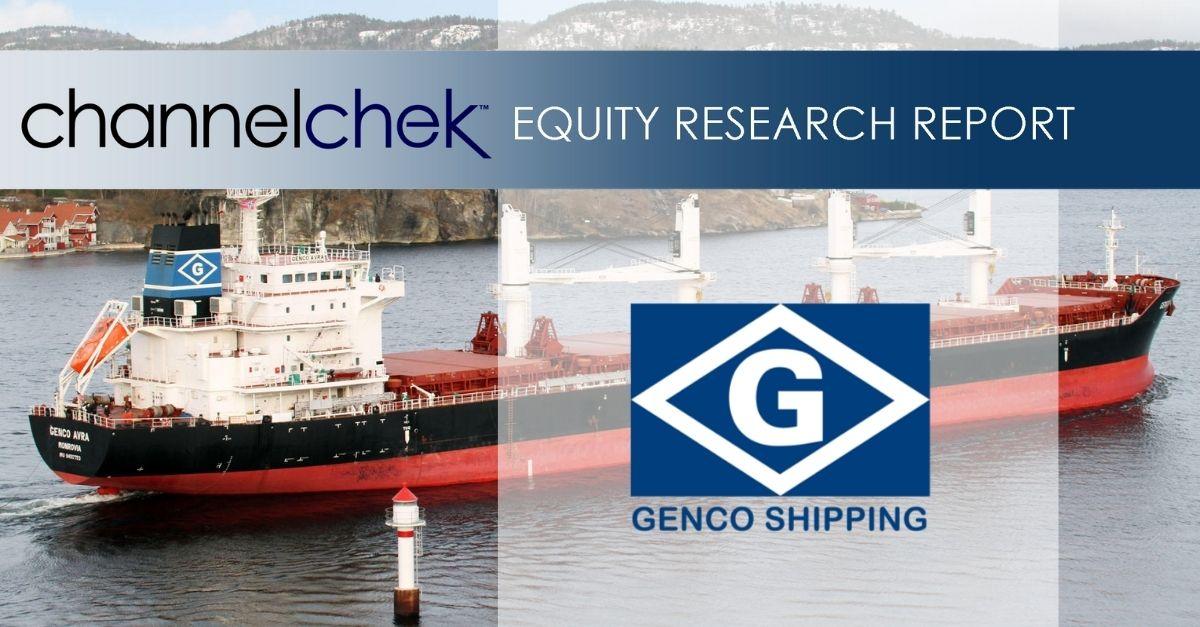
Genco Shipping & Trading Limited, incorporated on September 27, 2004, transports iron ore, coal, grain, steel products and other drybulk cargoes along shipping routes through the ownership and operation of drybulk carrier vessels. The Company is engaged in the ocean transportation of drybulk cargoes around the world through the ownership and operation of drybulk carrier vessels. As of December 31, 2016, its fleet consisted of 61 drybulk carriers, including 13 Capesize, six Panamax, four Ultramax, 21 Supramax, two Handymax and 15 Handysize drybulk carriers, with an aggregate carrying capacity of approximately 4,735,000 deadweight tons (dwt). Of the vessels in its fleet, 15 are on spot market-related time charters, and 27 are on fixed-rate time charter contracts. As of December 31, 2016, additionally, 19 of the vessels in its fleet were operating in vessel pools.

Poe Fratt, Senior Research Analyst, Noble Capital Markets, Inc.

Refer to the full report for the price target, fundamental analysis, and rating.

    Cape market softness contrasts Ultra/Supra market firmness. Since 1Q2021 operating results were released in early May, the Baltic Cape Index (BCI) has dropped from 5,405 to 3,346 on June 11th, with a low of 3,089 on May 28th. The recent rebound, combined with FFA curves that indicate higher rates, is encouraging and we look for Cape rates to rebound in 2H2021. In contrast, the Baltic Supramax Index (BSI) has moved consistently up from 2,135 to 2,592 on June 11th, mainly due the higher degree of cargo diversity.

    Fine tuning 2021 EBITDA estimate of $183.9 million on TCE rate assumptions of $19.1k/day.  Forward cover is higher in 2Q2021 versus 1Q2021 with 72% booked at $24.9k/day for Capes and 76% booked at $17.8k/day for Ultra/Supramaxes. Also, five time charters have been signed, which implies that visibility might improve over time …


This research is provided by Noble Capital Markets, Inc., a FINRA and S.E.C. registered broker-dealer (B/D).

*Analyst certification and important disclosures included in the full report. NOTE: investment decisions should not be based upon the content of this research summary.  Proper due diligence is required before making any investment decision. 

PLBY Group Announces Closing of Public Offering of Common Stock


PLBY Group Announces Closing of Public Offering of Common Stock


LOS ANGELES, June 14, 2021 (GLOBE NEWSWIRE) — PLBY Group, Inc. (NASDAQ: PLBY) (“PLBY Group”), a leading pleasure and leisure lifestyle company and owner of Playboy, one of the most recognizable and iconic brands in the world, announced today the closing of its upsized underwritten public offering of 4,720,000 shares of its common stock at a public offering price of $46.00 per share, before underwriting discounts and commissions.

All shares of common stock sold in the offering were sold by PLBY Group. Subject to certain limited exceptions, PLBY Group’s officers, directors and stockholders deemed to be affiliates have agreed to a lock-up for a period of 90 days after the date of final prospectus for the offering, which lock-up is in addition to any other prior lock-ups currently applicable to stockholders of PLBY Group.

The net proceeds from the offering, after deducting underwriting discounts and commissions and other offering expenses payable by PLBY Group, were approximately $203.3 million excluding any exercise of the underwriters’ 30-day option to purchase additional shares. PLBY Group intends to use the net proceeds it received from the offering to fund future growth, including potential future acquisitions, and for working capital and general corporate purposes.

Canaccord Genuity and Stifel acted as joint book-running managers for the offering. Roth Capital Partners, Chardan, Craig-Hallum and Loop Capital Markets acted as co-managers for the offering.

The offering was made only by means of a prospectus. PLBY Group filed a registration statement on Form S-1 (File No. 333-256855) with the U.S. Securities and Exchange Commission (the “SEC”) on June 7, 2021 relating to the offering, which was declared effective on June 9, 2021. Copies of the prospectus may be obtained on the SEC’s website at www.sec.gov and may also be obtained by contacting Canaccord Genuity LLC, Attention: Syndicate Department, 99 High Street, Suite 1200, Boston, MA 02110, by email at prospectus@cgf.com or Stifel, Nicolaus & Company, Incorporated, Attention: Syndicate Department, One Montgomery Street, Suite 3700, San Francisco, CA 94104, by email at syndprospectus@stifel.com.

This press release shall not constitute an offer to sell or the solicitation of an offer to buy nor shall there be any sale of these securities in any state or jurisdiction in which such offer, solicitation or sale would be unlawful prior to registration or qualification under the securities laws of any such state or jurisdiction.

About PLBY Group, Inc.

PLBY Group, Inc. (“PLBY Group”) connects consumers around the world with products, services, and experiences to help them look good, feel good, and have fun. PLBY Group serves consumers in four major categories: Sexual Wellness, Style & Apparel, Gaming & Lifestyle, and Beauty & Grooming.

Forward-Looking Statements

This press release contains “forward-looking statements” within the meaning of Section 27A of the Securities Act of 1933, as amended, and Section 21E of the Securities Exchange Act of 1934, as amended. In some cases, you can identify forward-looking statements by terms such as “anticipate,” “believe,” “estimate,” “expect,” “intend,” “outlook,” “may,” “might,” “plan,” “project,” “will,” “would,” “should,” “could,” “can,” “predict,” “potential,” “strategy, “target,” “explore,” “continue,” or the negative of these terms, and similar expressions intended to identify forward-looking statements. However, not all forward-looking statements contain these identifying words. Forward-looking statements in this release include, but are not limited to, statements concerning the intended use of net proceeds of the offering. Actual results could differ materially from those stated or implied in forward-looking statements due to a number of factors, including but not limited to, risks detailed in the section entitled “Risk Factors” in the registration statement on Form S-1 related to the offering filed with the SEC, as well as PLBY Group’s other filings with the SEC. The forward-looking statements included in this press release represent PLBY Group’s views only as of the date of this press release and not PLBY Group’s views as of any subsequent date and should not be unduly relied upon. PLBY Group undertakes no intention or obligation to update or revise any forward-looking statements, whether as a result of new information, future events, changes in PLBY Group’s expectations, or otherwise, except as required by law.

Contact

Investors: investors@plbygroup.com
Media: press@plbygroup.com

The NFL and Big Companies are Changing Their Thinking on Marijuana


The NFL is Providing Funds for a Marijuana Study Related to Injured Athlete Use

The National Football League’s (NFL) Pain Management Committee along with the NFL Players Association announced they’d be providing $1 million to help fund research of cannabinoids for pain management, last week.

This step represents further movement in the NFL’s stance toward exploring the use of marijuana products by professional football players. According to the NFL website, some players have maintained that it is safer for them to use marijuana to treat pain than to take prescription medication.


Pivot on Thinking

In the past, the NFL would suspend players if they tested positive for using cannabis products multiple times. Last year’s collective bargaining agreement between the league and the players union ended this policy. Now the NFL is determined to learn more about how safe marijuana and CBD are and whether they provide pain relief, especially if they can be a potential alternative to opioids.

The league expects to fund up to five grants to winners of an RFP process.  Dr. Kevin Hill, who is the co-chair of the NFL’s Pain Management Committee, and Director of Addiction Psychiatry at Beth Israel Deaconess Medical Center is also the author of Marijuana: The Unbiased Truth about the World’s Most Popular Weed. Hill wants to be cautious.  According to the NFL, he believes that right now, the level of interest in the use of medical marijuana far exceeds the level of evidence available.

Dr. Hill said that the committee had heard mixed results from players about using marijuana to treat pain. Hill said that there is some indication that using medical marijuana and CBD to treat pain may be riskier than most people realize and that the doses necessary to address pain may create risk for liver toxicity and interactions with other medications.

Dr. Allen Sills, the NFL’s Chief Medical Officer, said “There is a need for better information, better science,” Sills wants it clear that using cannabis and CBD to treat pain impact performance in elite athletes is beneficial. The goal of funding this research is to provide more informed guidance before allowing or disallowing any particular treatment related to CBD or other cannabinoids.


Take-Away

The NFL announcement to provide funding for studies into the true impact, benefits, and drawbacks of cannabis use by its players is a high-profile announcement within the cannabis industry. Regardless of the outcome of the studies, the NFL’s interest is a noticeable pivot in direction and can be perceived as a nod to the legitimacy of cannabis products for pain management.

In a related announcement this month, Amazon stated they will no longer test most job applicants for marijuana use. This growing trend toward legitimizing the once-taboo plant bodes well for cannabis companies in their uphill climb toward a more widespread embrace of their products.

Suggested Reading:

The Technological Invasion in Cannabis Cultivation

Will Federal Law Regarding Cannabis be Changed?


Cannabis Customers Served by Ice Cream Truck Model

The Future of Cannabis Crosses Many Industries


https://www.nfl.com/news/nfl-nflpa-will-provide-funding-for-research-into-pain-treatment-including-medica

https://www.npr.org/2021/06/02/1002409858/amazon-wont-test-jobseekers-for-marijuana


Virtual Road Show Series – Wednesday June 16 @ 1:00pm EDT

Join Stem Holdings CEO Adam Berk for this exclusive corporate presentation, followed by a Q & A session moderated by Joe Gomes, Noble’s senior research analyst, featuring questions taken from the audience. Registration is free and open to all investors, at any level.

Register Now  |  View All Upcoming Road Shows


Stay up to date. Follow us:


Stay up to date. Follow us:

QuickChek – June 14, 2021


PLBY Group Announces Closing of Public Offering of Common Stock

PLBY Group announced the closing of its upsized underwritten public offering of 4,720,000 shares of its common stock

Research, News & Market Data on PLBY Group

Watch recent presentation from NobleCon17


Cocrystal’s Lead COVID-19 Antiviral CDI-45205 Shown to be Active Against SARS-CoV-2 and Two Prominent SARS-CoV-2 Variants

Cocrystal Pharma announced that its lead preclinical SARS-CoV-2 3CL protease inhibitor CDI-45205 is active against SARS-CoV-2 and two prominent SARS-CoV-2 variants

Research, News & Market Data on Cocrystal Pharma

Watch recent presentation from Cocrystal


PDS Biotechnology Announces Oncology Research and Development Day

PDS Biotechnology announced it will host an Oncology R&D Day for analysts, investors, and the scientific community on Wednesday, June 16th

Research, News & Market Data on PDS Biotechnology

Watch recent presentation from PDS Biotech


Bunker Hill Achieves Key Milestone to Increase U.S. Trading Liquidity

Bunker Hill Mining announced that its listing on OTC Markets under symbol BHLL is no longer subject to ‘caveat emptor’ classification as a result of clearance by FINRA and OTC Markets

Research, News & Market Data on Bunker Hill Mining

Stay up to date. Follow us:

Release – PLBY Group Announces Closing of Public Offering of Common Stock


PLBY Group Announces Closing of Public Offering of Common Stock


LOS ANGELES, June 14, 2021 (GLOBE NEWSWIRE) — PLBY Group, Inc. (NASDAQ: PLBY) (“PLBY Group”), a leading pleasure and leisure lifestyle company and owner of Playboy, one of the most recognizable and iconic brands in the world, announced today the closing of its upsized underwritten public offering of 4,720,000 shares of its common stock at a public offering price of $46.00 per share, before underwriting discounts and commissions.

All shares of common stock sold in the offering were sold by PLBY Group. Subject to certain limited exceptions, PLBY Group’s officers, directors and stockholders deemed to be affiliates have agreed to a lock-up for a period of 90 days after the date of final prospectus for the offering, which lock-up is in addition to any other prior lock-ups currently applicable to stockholders of PLBY Group.

The net proceeds from the offering, after deducting underwriting discounts and commissions and other offering expenses payable by PLBY Group, were approximately $203.3 million excluding any exercise of the underwriters’ 30-day option to purchase additional shares. PLBY Group intends to use the net proceeds it received from the offering to fund future growth, including potential future acquisitions, and for working capital and general corporate purposes.

Canaccord Genuity and Stifel acted as joint book-running managers for the offering. Roth Capital Partners, Chardan, Craig-Hallum and Loop Capital Markets acted as co-managers for the offering.

The offering was made only by means of a prospectus. PLBY Group filed a registration statement on Form S-1 (File No. 333-256855) with the U.S. Securities and Exchange Commission (the “SEC”) on June 7, 2021 relating to the offering, which was declared effective on June 9, 2021. Copies of the prospectus may be obtained on the SEC’s website at www.sec.gov and may also be obtained by contacting Canaccord Genuity LLC, Attention: Syndicate Department, 99 High Street, Suite 1200, Boston, MA 02110, by email at prospectus@cgf.com or Stifel, Nicolaus & Company, Incorporated, Attention: Syndicate Department, One Montgomery Street, Suite 3700, San Francisco, CA 94104, by email at syndprospectus@stifel.com.

This press release shall not constitute an offer to sell or the solicitation of an offer to buy nor shall there be any sale of these securities in any state or jurisdiction in which such offer, solicitation or sale would be unlawful prior to registration or qualification under the securities laws of any such state or jurisdiction.

About PLBY Group, Inc.

PLBY Group, Inc. (“PLBY Group”) connects consumers around the world with products, services, and experiences to help them look good, feel good, and have fun. PLBY Group serves consumers in four major categories: Sexual Wellness, Style & Apparel, Gaming & Lifestyle, and Beauty & Grooming.

Forward-Looking Statements

This press release contains “forward-looking statements” within the meaning of Section 27A of the Securities Act of 1933, as amended, and Section 21E of the Securities Exchange Act of 1934, as amended. In some cases, you can identify forward-looking statements by terms such as “anticipate,” “believe,” “estimate,” “expect,” “intend,” “outlook,” “may,” “might,” “plan,” “project,” “will,” “would,” “should,” “could,” “can,” “predict,” “potential,” “strategy, “target,” “explore,” “continue,” or the negative of these terms, and similar expressions intended to identify forward-looking statements. However, not all forward-looking statements contain these identifying words. Forward-looking statements in this release include, but are not limited to, statements concerning the intended use of net proceeds of the offering. Actual results could differ materially from those stated or implied in forward-looking statements due to a number of factors, including but not limited to, risks detailed in the section entitled “Risk Factors” in the registration statement on Form S-1 related to the offering filed with the SEC, as well as PLBY Group’s other filings with the SEC. The forward-looking statements included in this press release represent PLBY Group’s views only as of the date of this press release and not PLBY Group’s views as of any subsequent date and should not be unduly relied upon. PLBY Group undertakes no intention or obligation to update or revise any forward-looking statements, whether as a result of new information, future events, changes in PLBY Group’s expectations, or otherwise, except as required by law.

Contact

Investors: investors@plbygroup.com
Media: press@plbygroup.com

Release – Cocrystals Lead COVID-19 Antiviral CDI-45205 Shown to be Active Against SARS-CoV-2 and Two Prominent SARS-CoV-2 Variants


Cocrystal’s Lead COVID-19 Antiviral CDI-45205 Shown to be Active Against SARS-CoV-2 and Two Prominent SARS-CoV-2 Variants


BOTHELL, Wash., June 14, 2021 (GLOBE NEWSWIRE) — Cocrystal Pharma, Inc. (Nasdaq: COCP) (“Cocrystal” or the “Company”), a clinical-stage biotechnology company discovering and developing novel antiviral therapeutics that target the replication machinery of influenza viruses, coronaviruses, hepatitis C viruses and noroviruses, announces that its lead preclinical SARS-CoV-2 3CL protease inhibitor CDI-45205 is active against SARS-CoV-2 and two prominent SARS-CoV-2 variants.

A third-party laboratory contracted by Cocrystal conducted in vitro studies evaluating the antiviral activity of CDI-45205 and its analogs in VeroE6-eGFP cells infected with SARS-CoV-2 (Wuhan strain), the United Kingdom variant (B.1.1.7) and the South African variant (B.1.351). CDI-45205 and its analogs showed excellent antiviral activity against both SARS-CoV-2 variants, surpassing the activity observed with SARS-CoV-2 (Wuhan strain). Two reference inhibitors including remdesivir, an FDA-approved SARS-CoV-2 RNA-dependent RNA polymerase inhibitor, and PF-00835231, another SARS-CoV-2 3CL protease inhibitor, were included in the study as comparators. Results showed CDI-45205 had excellent antiviral activity against the United Kingdom variant, with an EC50 of 1.9 uM (remdesivir EC50 0.6 uM; PF-00835231 EC50 >100 uM) and against the South African variant, with an EC50 of 2.5 uM (remdesivir EC50 0.8 uM; PF-00835231 EC50 >100 uM) in the absence of a P-glycoprotein efflux inhibitor.

“We are highly encouraged by these results with CDI-45205 against SARS-CoV-2 and two prominent variants of SARS-CoV-2, and we intend to continue with further testing for antiviral activity against other emerging variants including the Indian variant,” said Sam Lee, Ph.D., Cocrystal’s President and interim co-CEO. “These findings add to the growing body of preclinical data of CDI-45205. We believe these new data suggest our protease inhibitor may be an effective treatment of COVID-19 caused by SARS-CoV-2 and its emerging variants. Additionally, Cocrystal scientists are currently using our proprietary structure-based drug discovery platform technology to investigate broad-spectrum oral protease inhibitors and replication inhibitors for the treatment of COVID-19.”

About CDI-45205
In December 2020 Cocrystal announced the selection of CDI-45205 as its lead coronavirus development candidate among a group of protease inhibitors obtained under an exclusive license agreement with Kansas State University Research Foundation (KSURF) announced earlier in 2020.

CDI-45205 showed good bioavailability in mouse and rat pharmacokinetic studies via intraperitoneal injection, and also no cytotoxicity against a variety of human cell lines. The Company recently demonstrated a strong synergistic effect with remdesivir. Additionally, a proof-of-concept animal study demonstrated that daily injection of CDI-45205 exhibited favorable in vivo efficacy in MERS-CoV-infected mice. Cocrystal has obtained promising preliminary pharmacokinetic results and is continuing to further evaluate CDI-45205.

About Cocrystal Pharma, Inc.
Cocrystal Pharma, Inc. is a clinical-stage biotechnology company discovering and developing novel antiviral therapeutics that target the replication process of coronaviruses (including SARS-CoV-2), influenza viruses, hepatitis C viruses and noroviruses. Cocrystal employs unique structure-based technologies and Nobel Prize-winning expertise to create first- and best-in-class antiviral drugs. For further information about Cocrystal, please visit www.cocrystalpharma.com.

Cautionary Note Regarding Forward-Looking Statements
This press release contains forward-looking statements within the meaning of the Private Securities Litigation Reform Act of 1995, including statements regarding the future continued testing of CDI-45205 for antiviral activity against other emerging variants of COVID-19, and our beliefs related to the effectiveness of CDI-45205 against SARS-CoV-2 and its emerging variants. The words “believe,” “may,” “estimate,” “continue,” “anticipate,” “intend,” “should,” “plan,” “could,” “target,” “potential,” “is likely,” “will,” “expect” and similar expressions, as they relate to us, are intended to identify forward-looking statements. We have based these forward-looking statements largely on our current expectations and projections about future events. Some or all of the events anticipated by these forward-looking statements may not occur. Important factors that could cause actual results to differ from those in the forward-looking statements include, but are not limited to, the risks and uncertainties arising from the impact of the COVID-19 pandemic on the national and global economy and on our Company, including supply chain disruptions and our continued ability to proceed with our programs, including our coronavirus program, our ability to complete the preclinical and clinical trials of CDI-45205, the results of such future preclinical and clinical studies, and general risks arising from clinical trials and more generally, the development of investigational drugs. Further information on our risk factors is contained in our filings with the SEC, including our Annual Report on Form 10-K for the year ended December 31, 2020. Any forward-looking statement made by us herein speaks only as of the date on which it is made. Factors or events that could cause our actual results to differ may emerge from time to time, and it is not possible for us to predict all of them. We undertake no obligation to publicly update any forward-looking statement, whether as a result of new information, future developments or otherwise, except as may be required by law.

Investor Contact:
LHA Investor Relations
Jody Cain
310-691-7100
jcain@lhai.com


Source: Cocrystal Pharma, Inc.

Release – Bunker Hill Achieves Key Milestone to Increase U.S. Trading Liquidity


Bunker Hill Achieves Key Milestone to Increase U.S. Trading Liquidity: Caveat Emptor Status Lifted, OTCQB Upgrade Underway


Sam Ash, CEO and David Wiens, CFO to host Live Interactive Virtual Investor Event on
Wednesday, June 16 @ 11:00am ET / 8:00am PT. Investors are invited to register for this event at: LINK

TORONTO, June 14, 2021 (GLOBE NEWSWIRE) — Bunker Hill Mining Corp. (the “Company”) (CSE: BNKR, OTC: BHLL) is pleased to announce the achievement of a key milestone in its efforts to increase its U.S. trading liquidity: as of today, its listing on OTC Markets under symbol BHLL is no longer subject to ‘caveat emptor’ classification as a result of clearance by FINRA and OTC Markets, following extensive regulatory review. As a result, an active market now exists for the Company’s shares in the U.S., with bid and ask quotes permitted and available, and availability for U.S. trading without restrictions on a wide variety of brokerage platforms.

Prior to June 2021, and related to regulatory compliance issues in the 2011-2012 period under previous management, board and shareholders, the Company’s shares had traded in the ‘Grey Market’, where no bid or ask quotes are available, and trading is restricted on many brokerage platforms. See the ‘Background’ section below for more detail. This had effectively resulted in the inability of the vast majority of investors to trade the Company’s shares in the U.S. for the last nine years, which the Company believes has been a primary contributor to its low level of trading liquidity.

As a logical next step, the Company has submitted an application for an upgrade to the OTCQB, which it believes will further increase U.S. trading liquidity and benefit investors.

Sam Ash CEO stated, “We are delighted to achieve this key milestone, which not only immediately improves market trading access for our investors, but directly addresses concerns expressed by existing and potential new investors regarding historic issues that preceded the current management and Board. We look forward to working with OTC Markets over the coming weeks on our OTCQB application, as the next step in continuing to mature the company.”

BACKGROUND

In March 2021, the Company engaged B. Riley, a leading U.S. brokerage firm, as its exclusive capital markets advisor with respect to its U.S. share listing under symbol BHLL on OTC Markets. After a period of comprehensive due diligence which included an examination of the Company’s public filings, governance, shareholder register, and all legal and other documentation pertaining to its ‘caveat emptor’ status, B. Riley filed a Form 211 with FINRA in which it proposed to act as a market maker for the Company’s shares in the U.S. and attested to its belief that the Company’s U.S. listing was in full compliance with requirements prescribed by FINRA. On May 26, 2021, following extensive review, the Form 211 was cleared.

Clearance of the Form 211 by FINRA was a pre-condition to an application with OTC Markets for the removal of the Company’s ‘caveat emptor’ status. As such, the Company submitted an application to OTC Markets at the end of May 2021. The Company received formal notice of the approval of its application on June 11, 2021.

The Company’s former trading in the ‘Grey Market’ and ‘caveat emptor’ status related to an SEC investigation of a former significant shareholder of Liberty Silver Corp. in the 2011-2012 period, due to an alleged breach of U.S. securities laws. Liberty Silver Corp. changed its name to Bunker Hill Mining Corp. in 2017. The Company’s current leadership team was appointed in March 2020 and thereafter.

UPCOMING EVENTS

Mines & Money Online
Connect Global

June 22-24, 2021
Join Us: REGISTER NOW

HCW Investment
Conference

September 13-15, 2021
Join Us: REGISTER NOW

ABOUT BUNKER HILL MINING
CORP.

Under new Idaho-based leadership, Bunker Hill Mining Corp. intends to sustainably restart and develop the Bunker Hill Mine as the first step in consolidating a portfolio of North American precious-metal assets with a focus on silver. Information about the Company is available on its website, www.bunkerhillmining.com, or under its profile on SEDAR and EDGAR.

For additional information contact: ir @bunkerhillmining.com

Cautionary Statements

Certain statements in
this news release are forward-looking and involve a number of risks and
uncertainties. Such forward-looking statements are within the meaning of
that term in Section 27A of the Securities Act of 1933, as amended, and
Section 21E of the Securities Exchange Act of 1934, as amended, as well as
within the meaning of the phrase ‘forward-looking information’ in the
Canadian Securities Administrators’ National Instrument 51-102 – Continuous
Disclosure Obligations. Forward-looking statements are not comprised of
historical facts. Forward-looking statements include estimates and
statements that describe the Company’s future plans, objectives or goals,
including words to the effect that the Company or management expects a
stated condition or result to occur. Forward-looking statements may be
identified by such terms as “believes”, “anticipates”, “expects”,
“estimates”, “may”, “could”, “would”, “will”, or “plan”. Since
forward-looking statements are based on assumptions and address future
events and conditions, by their very nature they involve inherent risks and
uncertainties. Although these statements are based on information currently
available to the Company, the Company provides no assurance that actual
results will meet management’s expectations. Risks, uncertainties and other
factors involved with forward-looking information could cause actual
events, results, performance, prospects and opportunities to differ
materially from those expressed or implied by such forward-looking
information. Forward looking information in this news release includes, but
is not limited to: the potential increase in trading liquidity, the
approval of the Company’s application for an upgrade to the OTCQB, and the
Company’s intentions regarding its objectives, goals or future plans and
statements, including the restart of the Bunker Hill Mine. Factors that
could cause actual results to differ materially from such forward-looking
information include, but are not limited to those risks set out in the
Company’s public documents filed on SEDAR and EDGAR. Although the Company
believes that the assumptions and factors used in preparing the
forward-looking information in this news release are reasonable, undue
reliance should not be placed on such information, which only applies as of
the date of this news release, and no assurance can be given that such
events will occur in the disclosed time frames or at all. The Company
disclaims any intention or obligation to update or revise any
forward-looking information, whether as a result of new information, future
events or otherwise, other than as required by law. No stock exchange,
securities commission or other regulatory authority has approved or
disapproved the information contained herein.


Contact Info:

Bunker Hill Mining Corp.
82 Richmond St East
Toronto, Ontario
M5C 1P1
+1.519.871.3998

Genco Shipping and Trading (GNK) Softer Cape Market Offset by Firm Ultra Supra Markets

Monday, June 14, 2021

Genco Shipping & Trading Limited (GNK)
Softer Cape Market Offset by Firm Ultra/Supra Markets

Genco Shipping & Trading Limited, incorporated on September 27, 2004, transports iron ore, coal, grain, steel products and other drybulk cargoes along shipping routes through the ownership and operation of drybulk carrier vessels. The Company is engaged in the ocean transportation of drybulk cargoes around the world through the ownership and operation of drybulk carrier vessels. As of December 31, 2016, its fleet consisted of 61 drybulk carriers, including 13 Capesize, six Panamax, four Ultramax, 21 Supramax, two Handymax and 15 Handysize drybulk carriers, with an aggregate carrying capacity of approximately 4,735,000 deadweight tons (dwt). Of the vessels in its fleet, 15 are on spot market-related time charters, and 27 are on fixed-rate time charter contracts. As of December 31, 2016, additionally, 19 of the vessels in its fleet were operating in vessel pools.

Poe Fratt, Senior Research Analyst, Noble Capital Markets, Inc.

Refer to the full report for the price target, fundamental analysis, and rating.

    Cape market softness contrasts Ultra/Supra market firmness. Since 1Q2021 operating results were released in early May, the Baltic Cape Index (BCI) has dropped from 5,405 to 3,346 on June 11th, with a low of 3,089 on May 28th. The recent rebound, combined with FFA curves that indicate higher rates, is encouraging and we look for Cape rates to rebound in 2H2021. In contrast, the Baltic Supramax Index (BSI) has moved consistently up from 2,135 to 2,592 on June 11th, mainly due the higher degree of cargo diversity.

    Fine tuning 2021 EBITDA estimate of $183.9 million on TCE rate assumptions of $19.1k/day.  Forward cover is higher in 2Q2021 versus 1Q2021 with 72% booked at $24.9k/day for Capes and 76% booked at $17.8k/day for Ultra/Supramaxes. Also, five time charters have been signed, which implies that visibility might improve over time …


This research is provided by Noble Capital Markets, Inc., a FINRA and S.E.C. registered broker-dealer (B/D).

*Analyst certification and important disclosures included in the full report. NOTE: investment decisions should not be based upon the content of this research summary.  Proper due diligence is required before making any investment decision. 

Release – PDS Biotechnology Announces Oncology Research and Development Day


PDS Biotechnology Announces Oncology Research and Development Day


FLORHAM PARK, N.J., June 14, 2021 (GLOBE NEWSWIRE) — PDS Biotechnology Corporation (Nasdaq: PDSB), a clinical-stage cancer immunotherapy company developing novel cancer therapies based on the Company’s proprietary Versamune® T-cell activating technology, today announced it will host an Oncology R&D Day for analysts, investors, and the scientific community on Wednesday, June 16th.

The research and development day is scheduled to begin at 8:00 am ET on Wednesday, June 16th, 2021. Participants should dial 877-407-3088 (United States) or 201-389-0927 (International) and mention PDS Biotechnology.

PDS Biotech’s Oncology R&D Day will focus on the Company’s advancements in its ongoing preclinical and clinical work and will feature presentations from:

  • Dr. Frank Bedu-Addo, President and CEO, PDS Biotech
  • Dr. Lauren V. Wood, Chief Medical Officer, PDS Biotech
  • Dr. Jeffrey Schlom, Chief of the Laboratory of Tumor Immunology and Biology, Center for Cancer Research, National Cancer Institute, National Institute of Health
  • Dr. Julius Strauss, Principal Investigator, Laboratory of Tumor Immunology and Biology, Center for Cancer Research, National Cancer Institute, National Institute of Health
  • Dr. Caroline Jochems, Staff Scientist, Laboratory of Tumor Immunology and Biology, Center for Cancer Research, National Cancer Institute, National Institute of Health

A copy of the presentations will be available on June 17th on the scientific presentations and publications page of PDS Biotech’s website. Registration for PDS Biotech’s Oncology R&D Day is now open and a live webcast of the event will be available online in the investor relations section of the company’s website at https://pdsbiotech.com/investors/news-center/events. A replay will be available on the company website for approximately 90 days following the webcast.

About PDS Biotechnology
PDS Biotech is a clinical-stage immunotherapy company with a growing pipeline of cancer immunotherapies based on the Company’s proprietary Versamune® T-cell activating technology platform. Versamune® effectively delivers disease-specific antigens for in vivo uptake and processing, while also activating the critical type 1 interferon immunological pathway, resulting in production of potent disease-specific killer T-cells as well as neutralizing antibodies. PDS Biotech has engineered multiple therapies, based on combinations of Versamune® and disease-specific antigens, designed to train the immune system to better recognize disease cells and effectively attack and destroy them. To learn more, please visit www.pdsbiotech.com or follow us on Twitter at @PDSBiotech.

Media & Investor Relations Contact:
Deanne Randolph
PDS Biotech
Phone: +1 (908) 517-3613
Email: drandolph@pdsbiotech.com

Rich Cockrell
CG Capital
Phone: +1 (404) 736-3838
Email: pdsb@cg.capital

Stem-Cell Based Therapy for Alzheimers Disease


Advancing Research into Alzheimer’s Disease with Stem Cells


Disease Burden of Alzheimer’s

Alzheimer’s disease (AD) is the most common cause of dementia, a progressively debilitating neurodegenerative disease that results in declining cognitive functions, inability to form new memories, behavioral disorders, and gradual loss of bodily functions. While older age does not cause AD, the risk of AD doubles about every five years beyond age 651. The World Health Organization estimates that about 50 million people living with dementia globally. In 2050, the number is expected to increase to 152 million2. In the U.S., a total of 122,019 recorded deaths were due to AD (2018), making it the 6th leading cause of death among adults in the country3. Hence, AD has a significant disease burden worldwide. Currently, the economic burden of AD is estimated to be $305 billion4. To date, there is no cure for dementia or AD.


Neuropathological Features and Causes of Alzheimer’s Disease

One of the key neuropathological features of AD is the presence of brain lesions consisting of amyloid plaques. It is caused by the pathological extracellular accumulation and deposition of amyloid-beta peptide (amyloid-beta)5. Although the exact function of amyloid-beta is largely unclear, there have been some speculations regarding its physiological roles in the body6. Regardless, targeting amyloid-beta production and accumulation remains to be an attractive therapeutic solution to treat AD7,8. Other hallmarks of AD include the presence of neurofibrillary tangles and hyperphosphorylated tau in brain tissues.

AD is a complex, multifactorial disease caused by a mix of genetic and environmental factors9. It can be broadly classified into two types – sporadic (SAD) and familial (FAD) AD. SAD and FAD are typically late-onset and early-onset respectively
10. FAD is rare and is caused by genetic mutations (such as in the Amyloid Precursor Protein [APP] gene); environmental factors play small roles in contributing to the disease. On the other hand, several genes are associated with SAD but environmental factors are also observed to contribute to the disease
9


Lack of Suitable Platforms to Study AD

Over the past decade, researchers have adopted different systems to study AD. Post-mortem brain tissue samples from individuals with AD have been crucial in identifying and better understanding the physical and molecular changes of the brain caused by the disease. Cultured human and mouse cells have also been useful in understanding amyloid-beta accumulation and plaque formation but these cells are usually transformed to allow cells to remain proliferative; therefore they are not physiologically relevant and are unsuitable to study age-related aspects of AD. Also, it is difficult to grow and culture human neurons in the lab. Therefore, researchers looked to using transgenic mice to model AD. There have been some successes in generating FAD mice by overexpressing APP11. These mice were able to show age-related formation of amyloid-beta plaques, learning problems, and neuronal synapse loss. Today, there are more mice models that mimic various AD pathologies11. However, these mice are still unable to reflect the full complexity of the neurodegeneration process associated with AD12. The unfortunate reality is exemplified by the fact that clinical trials for AD drug development have a failure rate of 99.6%13.


Making Diseased Neurons in the Lab to Better Understand Disease Pathogenesis


The discovery of the Nobel Prize-winning iPSC technology
14,15 has advanced AD research by miles. There are many successes in using iPSCs to model and study both SAD and FAD in the lab16,17. Researchers have generated stem cell-derived neurons, microglia, astrocytes, and even 3D brain organoids that exhibited disease phenotypes. Because iPSCs are self-renewal and highly proliferative, we now have unlimited resources to study the disease pathogenesis of AD18.  

Recently, a group of researchers from Harvard Medical School utilized the iPSC technology and reprogrammed skin cells from patients with SAD into iPSCs19. The patient-specific iPSCs were then differentiated into neural progenitor cells (NPCs) to obtain SAD NPCs. Using these diseased cells, they were able to uncover new information about the disease – diseased cells showed abnormal signs of accelerated maturation as compared to healthy cells. They were also discovered that the diseased cells have a loss of function of a protein called REST. By restoring levels of functional REST, they were able to prevent early maturation of SAD NPCs.

Another group of researchers from the Mayo Clinic differentiated AD iPSCs into cerebral organoids (‘mini-brains’), which are 3D self-organizing structures that recapitulate many features of the human brain. The diseased cerebral organoids showed high levels of amyloid-beta and phosphorylated tau, which are key features of AD. Using these diseased ‘mini-brains’, they were also able to uncover new knowledge about the disease which includes altered RNA metabolism and increased numbers of stress granules 20.


Stem-Cell Based Therapy for Alzheimer’s Disease

With the lack of suitable platforms to study AD as well as the gross limitations of current mice models of AD, researchers and the public alike have started to feel disheartened. However, in recent years, proof-of-concept studies of various types of stem cell-based therapies have shown great promise in treating AD.

Firstly, the use of Mesenchymal Stem Cells (MSCs) to treat AD is actively pursued right now. MSCs are stem cells that are found in umbilical cord blood, the Wharton jelly (a connective tissue found in the umbilical cord), bone marrow, and even fat tissues. In fact, a phase 1 clinical trial investigating the use of umbilical cord blood MSCs to treat AD patients was completed in 201521 and results showed that the treatment was both safe and feasible. MSCs can potentially treat AD via three ways – immune regulation, reducing numbers of amyloid-beta plaques, and promote neurotrophic regeneration and evidences suggest that the therapeutic potential of MSCs lies with the extracellular vesicles/ exosomes, produced by MSCs22. Exosomes contain nucleic acids, proteins, enzymes and even immune signals that are able to promote regeneration, regulation inflammation, and clear amyloid-beta plaques.

Next, the cellular transplantation of NPCs differentiated from embryonic stem cells (ESCs) was able to improve learning and memory functions in rat models of AD23. In addition, transplanting human induced-neural progenitor/ stem cells (iNPCs) into the hippocampus of AD mice restored cognitive deficits of diseased mice and significantly improved cognitive performance
24. Therefore, ESC-derived NPCs and iNPCs can potentially serve as therapeutic options to treat and improve cognitive functionalities of AD patients. Other than NPCs, stem cell-derived glial cells25 were also able to reduce amyloid-beta deposition and were effective in decreasing cognitive dysfunctions in AD mice.

The risk of graft rejection will be reduced if patient-specific iPSCs were used to generate cells for autologous transplantation. Genetic mutations found in the patients can also be edited via the CRISPR/Cas926 technology. This way, NPCs, neurons, or glial cells differentiated from patient-specific (edited) iPSCs will be healthy and will not be rejected by the patients’ immune system.


Concluding Comments

Over the past few years, research into AD has allowed us to better understand disease etiology and pathogenesis, but research efforts were hindered by the lack of suitable platforms to study the disease. Animal models of AD are still unable to fully reflect the complexities of the disease observed in humans. The advent of stem cell technologies has allowed us to model AD more accurately and sustainably. With that, stem cell-based therapies have also shown great successes in improving cognitive functions in animal models of AD. In the years to come, more studies would have to be done to determine the safety and efficacy of transplanting MSCs as well as ESC/iPSC-derived cells in treating AD patients.


About the Author:  Nicole
Pek is a stem cell biologist and enthusiastic science communicator. She
has worked on using human pluripotent stem cells to study cellular development
in multiple organ systems, to model complex human diseases, and screen for
therapeutics that could treat the diseases. Outside of the lab, Nicole plays a
pro-active role in communicating to the public through her science blog ‘Two
Cells’ and her education podcast ‘
The Diploid Duo’.


Suggested Reading:

The Anti-Aging and Rejuvenating Properties of Stem Cells

Therapeutic Discovery Advanced by Stem Cells


What Cells can be Made from Stem Cells

The Case for Investing in Regenerative Medicine


References


1.         What Causes Alzheimer’s Disease? National Institute on Aging http://www.nia.nih.gov/health/what-causes-alzheimers-disease (2019).

2.         Dementia. World Health Organization https://www.who.int/news-room/fact-sheets/detail/dementia (2020).

3.         2020 Alzheimer’s disease facts and figures. Alzheimer’s & Dementia 16, 391–460 (2020).

4.         Wong, W. Economic burden of Alzheimer disease and managed care considerations. Am J Manag Care 26, S177–S183 (2020).

5.         Serrano-Pozo, A., Frosch, M. P., Masliah, E. & Hyman, B. T. Neuropathological Alterations in Alzheimer Disease. Cold Spring Harb Perspect Med 1, (2011).

6.         Brothers, H. M., Gosztyla, M. L. & Robinson, S. R. The Physiological Roles of Amyloid-beta Peptide Hint at New Ways to Treat Alzheimer’s Disease. Front Aging Neurosci 10, (2018).

7.         Sevigny, J. et al. The antibody aducanumab reduces amyloid-beta plaques in Alzheimer’s disease. Nature 537, 50–56 (2016).

8.         Panza, F., Lozupone, M., Logroscino, G. & Imbimbo, B. P. A critical appraisal of amyloid-beta-targeting therapies for Alzheimer disease. Nat Rev Neurol 15, 73–88 (2019).

9.         Mayeux, R. & Stern, Y. Epidemiology of Alzheimer Disease. Cold Spring Harb Perspect Med 2, (2012).

10.       Barber, R. C. The Genetics of Alzheimer’s Disease. Scientifica 2012, e246210 (2012).

11.       Elder, G. A., Sosa, M. A. G. & Gasperi, R. D. Transgenic Mouse Models of Alzheimer’s Disease. Mount Sinai
Journal of Medicine: A Journal of Translational and Personalized Medicine
77, 69–81 (2010).

12.       King, A. The search for better animal models of Alzheimer’s disease. Nature 559, S13–S15 (2018).

13.       Cummings, J. Lessons Learned from Alzheimer Disease: Clinical Trials with Negative Outcomes. Clinical and
Translational Science
11, 147–152 (2018).

14.       Takahashi, K. et al. Induction of pluripotent stem cells from adult human fibroblasts by defined factors. Cell
131, 861–872 (2007).

15.       Takahashi, K. & Yamanaka, S. Induction of pluripotent stem cells from mouse embryonic and adult fibroblast cultures by defined factors. Cell 126, 663–676 (2006).

16.       Israel, M. A. et al. Probing sporadic and familial Alzheimer’s disease using induced pluripotent stem cells.
Nature 482, 216–220 (2012).

17.       Ochalek, A. et al. Neurons derived from sporadic Alzheimer’s disease iPSCs reveal elevated TAU hyperphosphorylation, increased amyloid levels, and GSK3B activation. Alzheimers
Res Ther
9, 90 (2017).

18.       de Leeuw, S. & Tackenberg, C. Alzheimer’s in a dish – induced pluripotent stem cell-based disease modeling. Translational
Neurodegeneration
8, 21 (2019).

19.       Meyer, K. et al. REST and Neural Gene Network Dysregulation in iPSC Models of Alzheimer’s Disease. Cell
Reports
26, 1112-1127.e9 (2019).

20.       Zhao, J. et al. APOE4 exacerbates synapse loss and neurodegeneration in Alzheimer’s disease patient iPSC-derived cerebral organoids. Nat Commun 11, 5540 (2020).

21.       Kim, H. J. et al. Stereotactic brain injection of human umbilical cord blood mesenchymal stem cells in patients with Alzheimer’s disease dementia: A phase 1 clinical trial. Alzheimers
Dement (N Y)
1, 95–102 (2015).

22.       Elia, C. A., Losurdo, M., Malosio, M. L. & Coco, S. Extracellular Vesicles from Mesenchymal Stem Cells Exert Pleiotropic Effects on Amyloid-beta, Inflammation, and Regeneration: A Spark of Hope for Alzheimer’s Disease from Tiny Structures? BioEssays 41, 1800199 (2019).

23.       Tang, J. et al. Embryonic stem cell-derived neural precursor cells improve memory dysfunction in amyloid-beta(1-40) injured rats. Neurosci Res 62, 86–96 (2008).

24.       Zhang, T. et al. Human Neural Stem Cells Reinforce Hippocampal Synaptic Network and Rescue Cognitive Deficits in a Mouse Model of Alzheimer’s Disease. Stem Cell Reports 13, 1022–1037 (2019).

25.       Cha, M.-Y. et al. Protein-Induced Pluripotent Stem Cells Ameliorate Cognitive Dysfunction and Reduce amyloid-beta Deposition in a Mouse Model of Alzheimer’s Disease. Stem Cells Transl Med
6, 293–305 (2017).

26.       Ran, F. A. et al. Genome engineering using the CRISPR-Cas9 system. Nature Protocols 8, 2281–2308 (2013).


Stay up to date. Follow us:


Stay up to date. Follow us: